With Freeze, Collectors Agenda is presenting two artists from the Viennese art scene at Franz-Josefs-Kai – Angelika Loderer and Andreas Duscha – whose practice may not intuitively feel related. Freeze is therefore an attempt to point out a subtle relationship that is manifested in two concrete work series that have emerged in collaboration between Collectors Agenda.
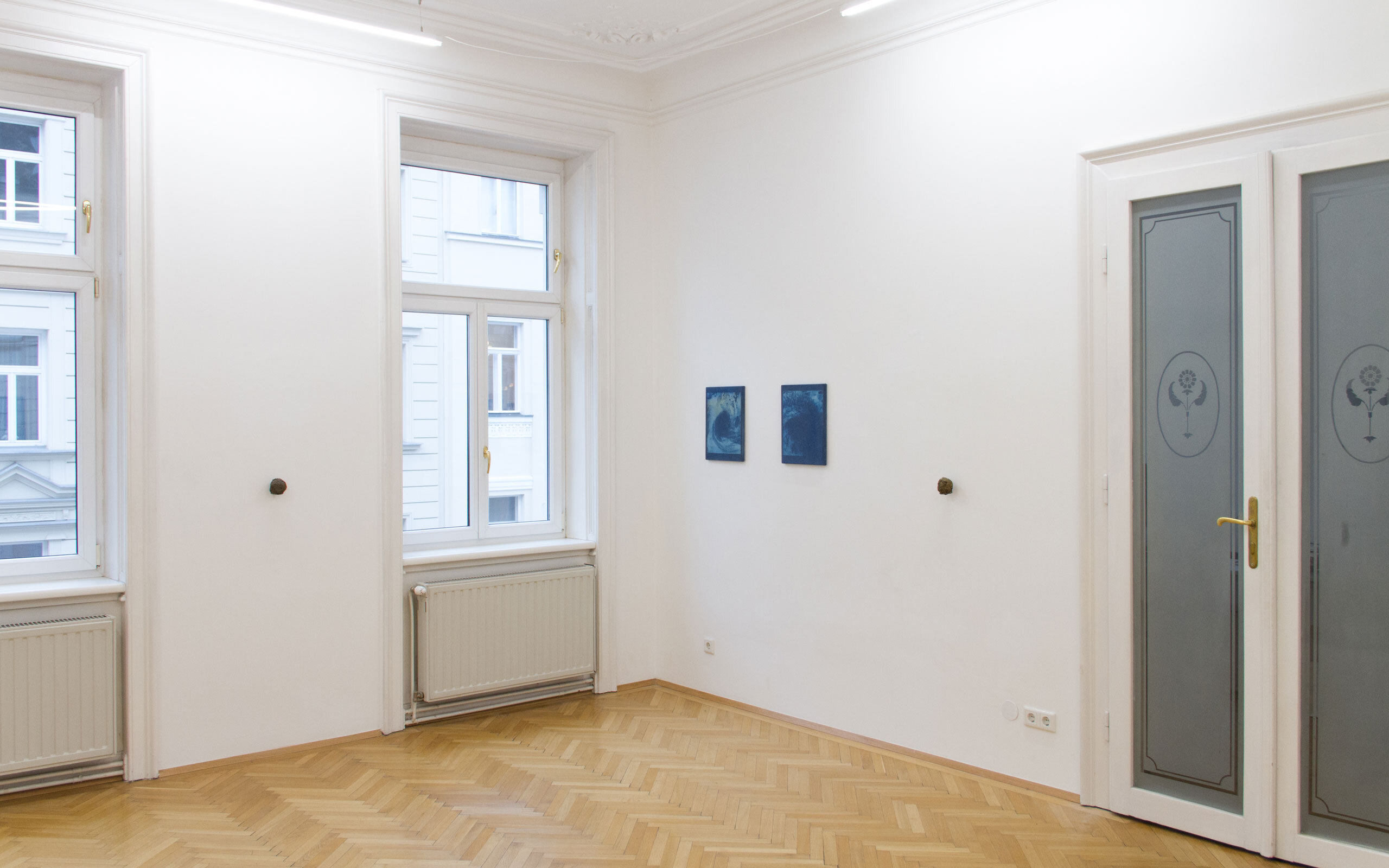
To sharpen the senses and directing the view on the mundane and unnoticed, attributing new value or even lending a new poetic quality to events or objects seems to be represented in both Angelika Loderer’s and Andreas Duscha’s practice. Both exhibited work series are capturing an instant frozen in time, a blink-of-an eye situation that represents a moment in which distinct shapes emerge, incapable of being repeated. Rather incidentally both series take their origin in the observation of a physical phenomenon.
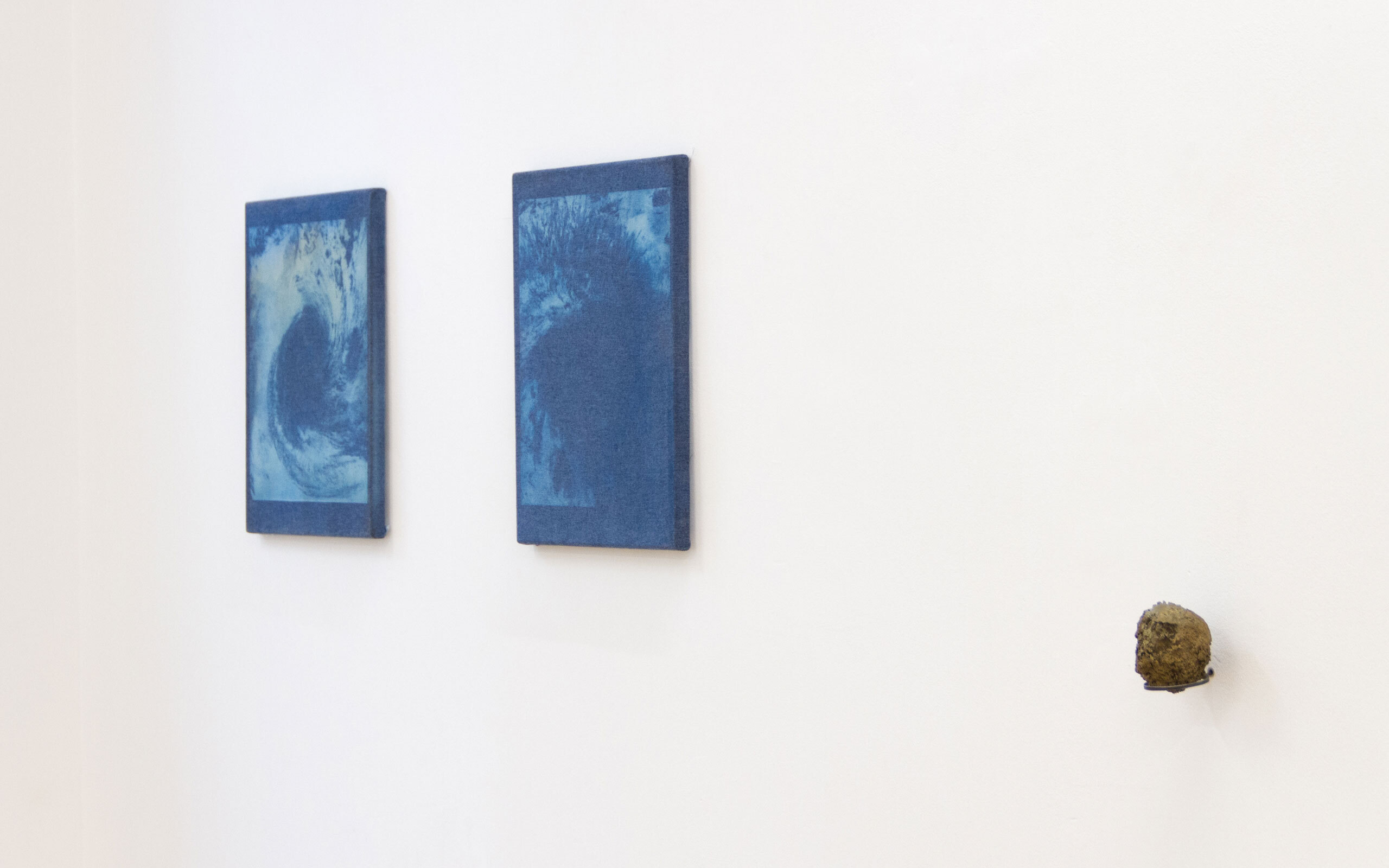
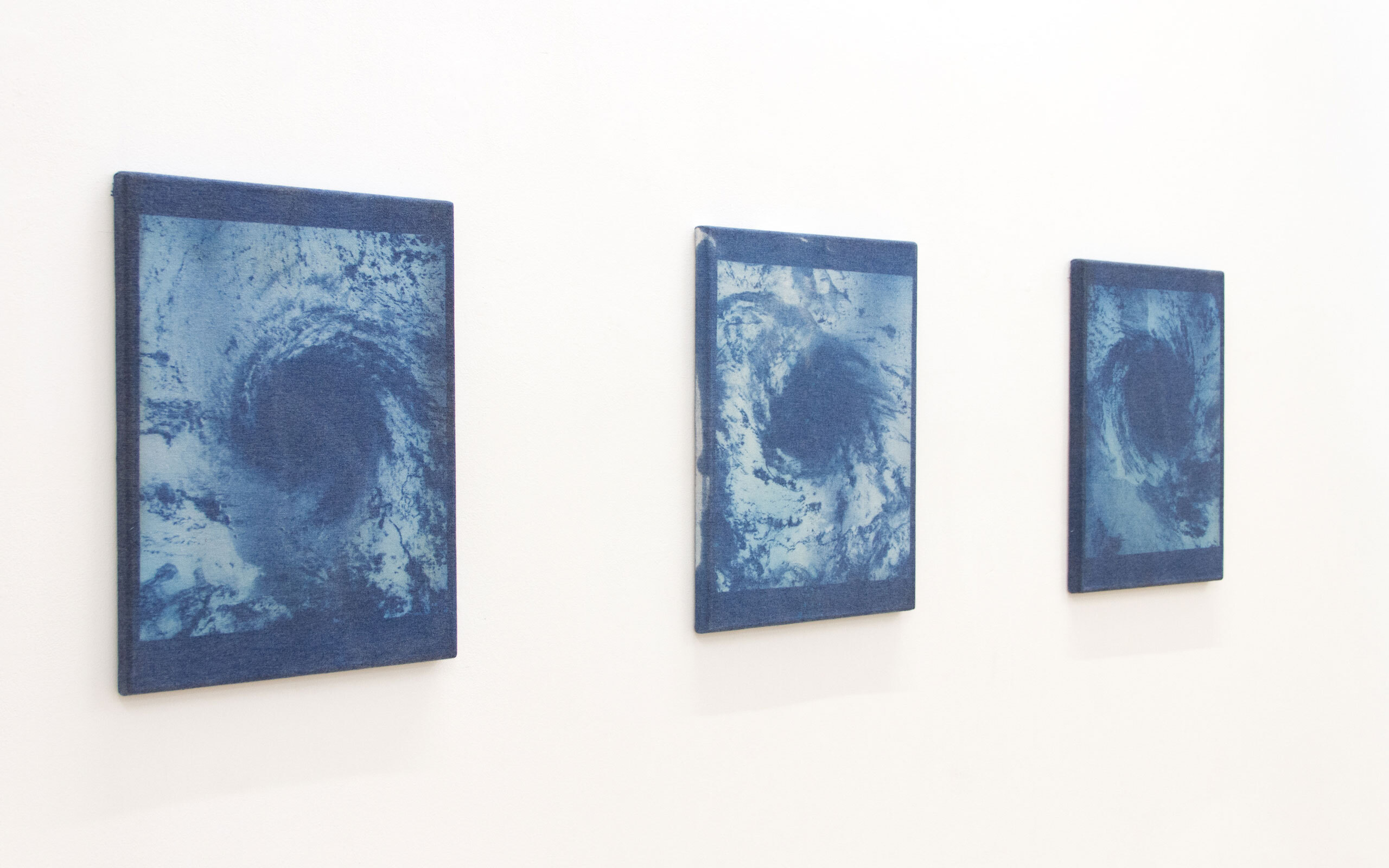
It is maybe exactly this ephemeral fragile nature of the sujets – a snowball about to melt, the satellite picture showing the eye of a storm – from which the works derive their specific appeal. Viewers discover beauty in an object or natural phenomenon that otherwise would go unnoticed.
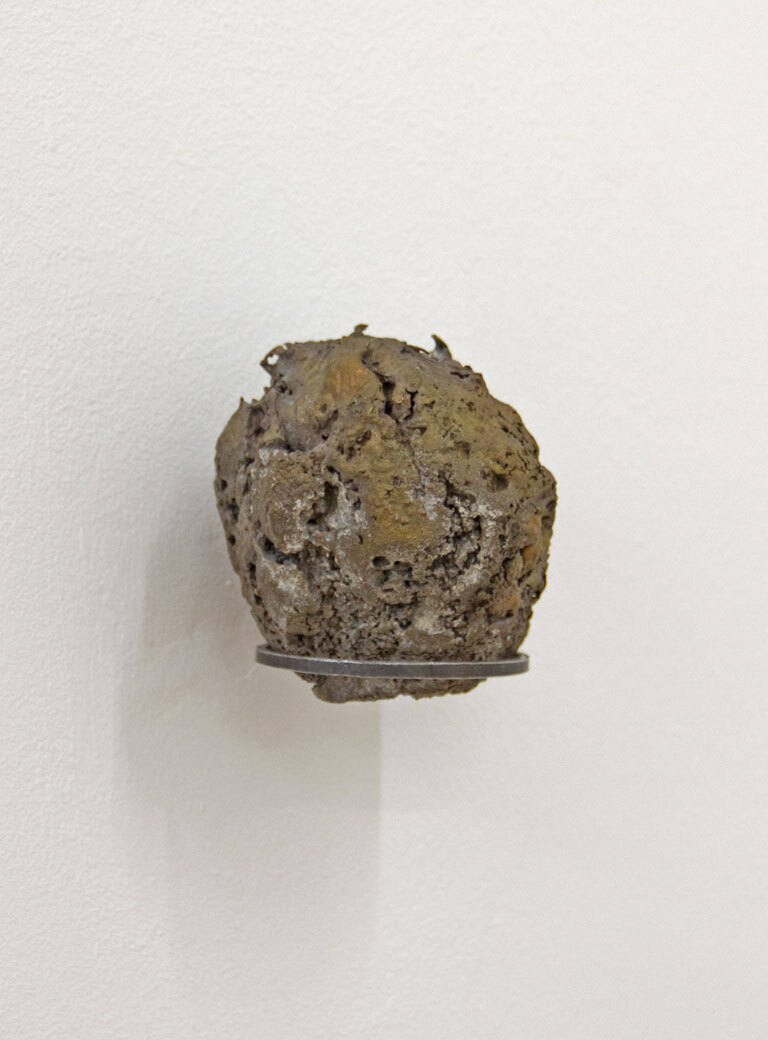
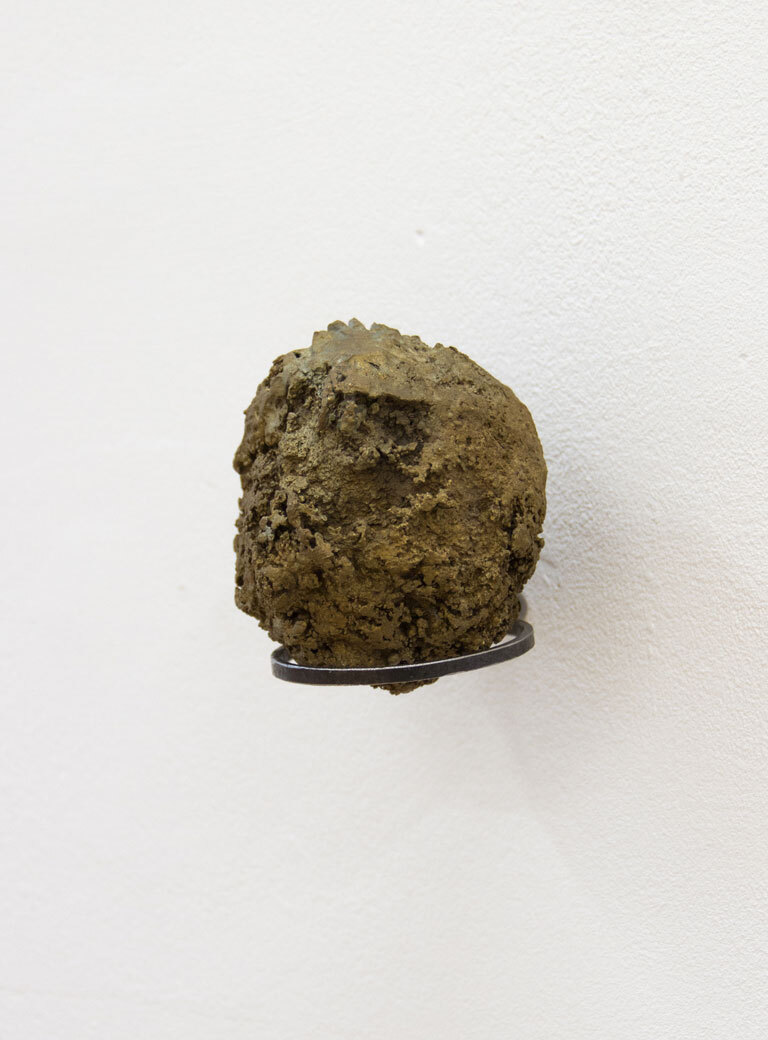
The practice of Angelika Loderer can be described as media-reflective, as her production takes into account the manufacturing process of her chosen materials. With an art foundry in the family, Loderer was early to utilize the casting process as a way of giving shape to her artistic concern. Her fragile and sometimes temporary objects consist of cast metal and secondary or auxiliary products from the casting process such as molding sand. By choosing precious and heavyweight materials such as brass she attributes new value to mundane objects and forms, making invisible concealed forms such as tunnels dug by moles or woodpecker tree caves. In her depictions she subtly reflects on the tension between the durability of the one and the fragile or ephemeral quality of the other material.
Her fragile and sometimes temporary objects consist of cast metal and secondary or auxiliary products from the casting process such as molding sand. By choosing precious and heavyweight materials such as brass she attributes new value to mundane objects and forms, making invisible concealed forms such as tunnels dug by moles or woodpecker tree caves. In her depictions she subtly reflects on the tension between the durability of the one and the fragile or ephemeral quality of the other material.
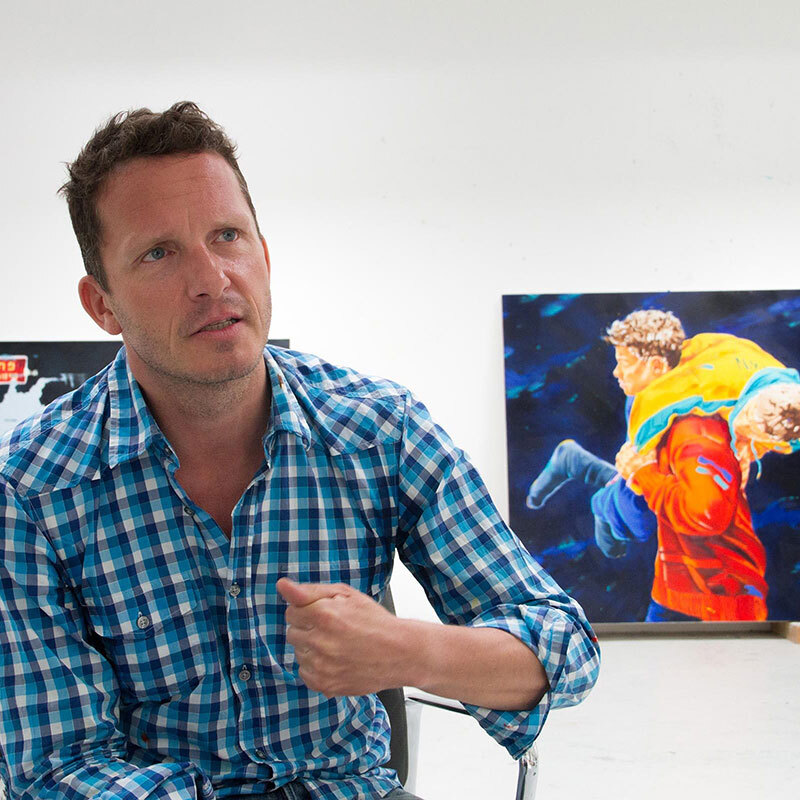
Andreas Duscha’s approach is driven by aesthetic subtleness and a poetically abstract pictorial language. His works are built on the potential, possibility and imagination.
For this, Duscha adopts events and incidents of greater or lesser importance to develop narratives from which the viewer can derive new levels of meaning. He never tries to prove, evaluate or bear witness. Moreover, he deciphers, modifies, encodes and stages, according to his own parameters, injecting subjectivity and singularity into the seemingly known, obvious and banal.
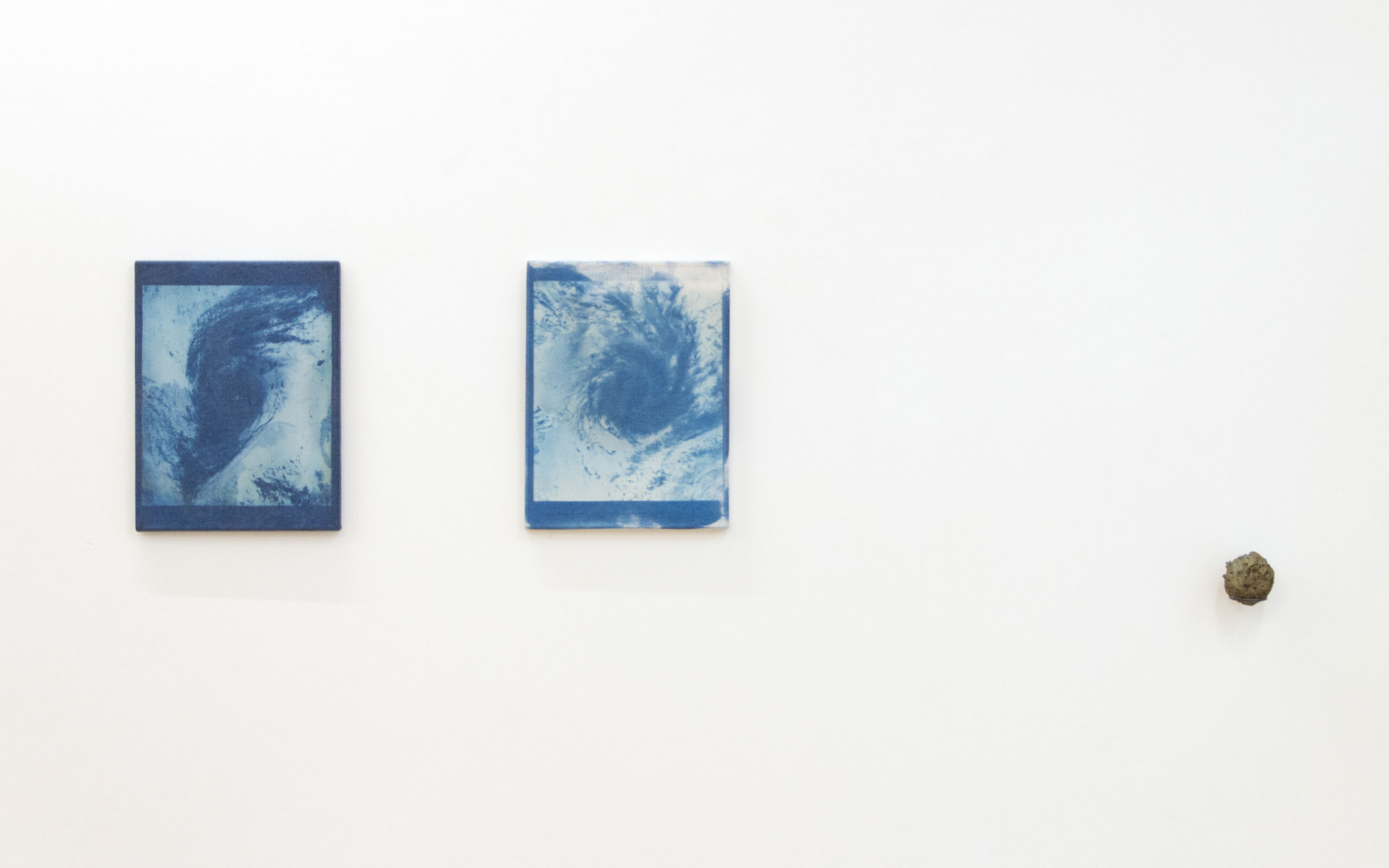
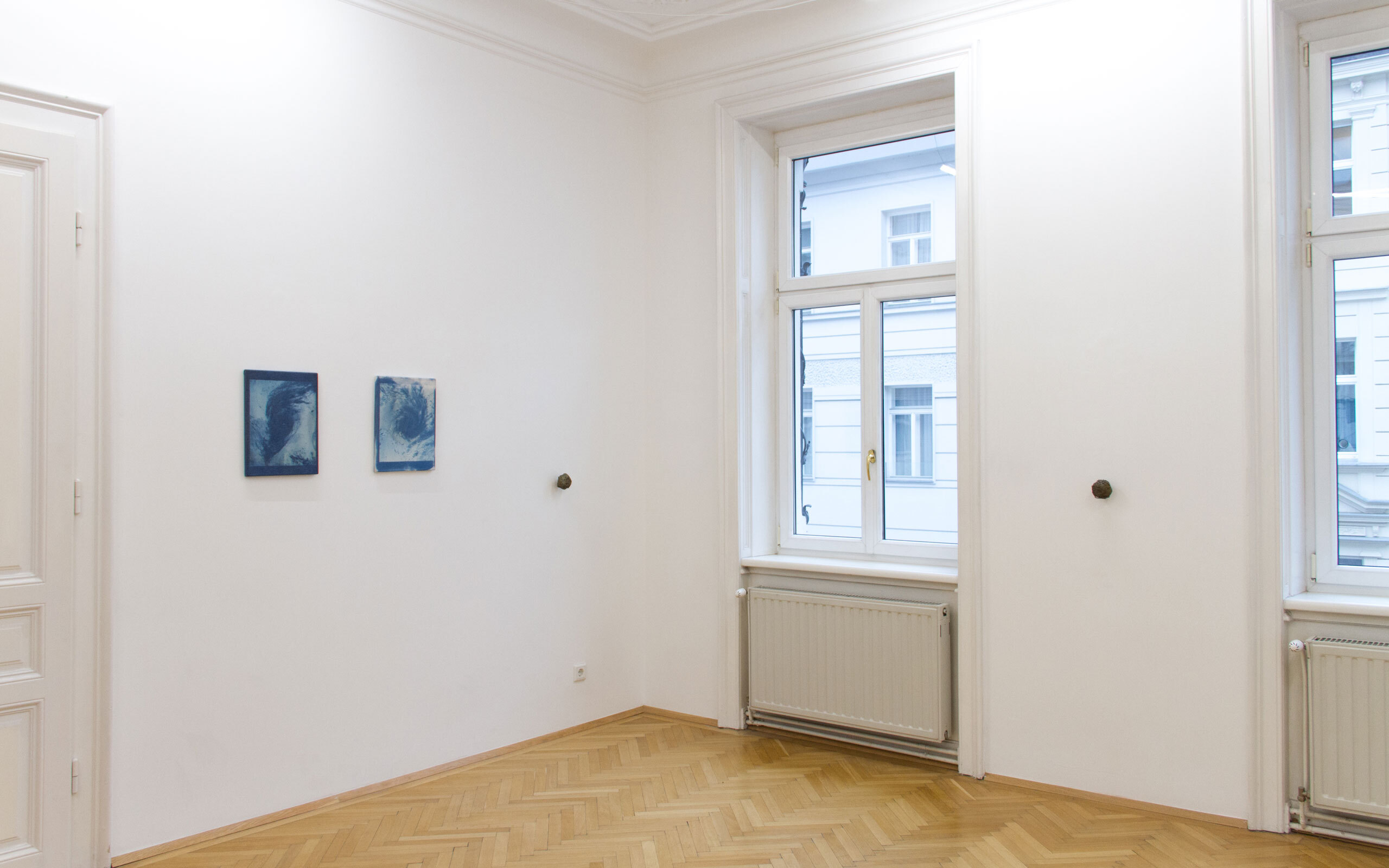
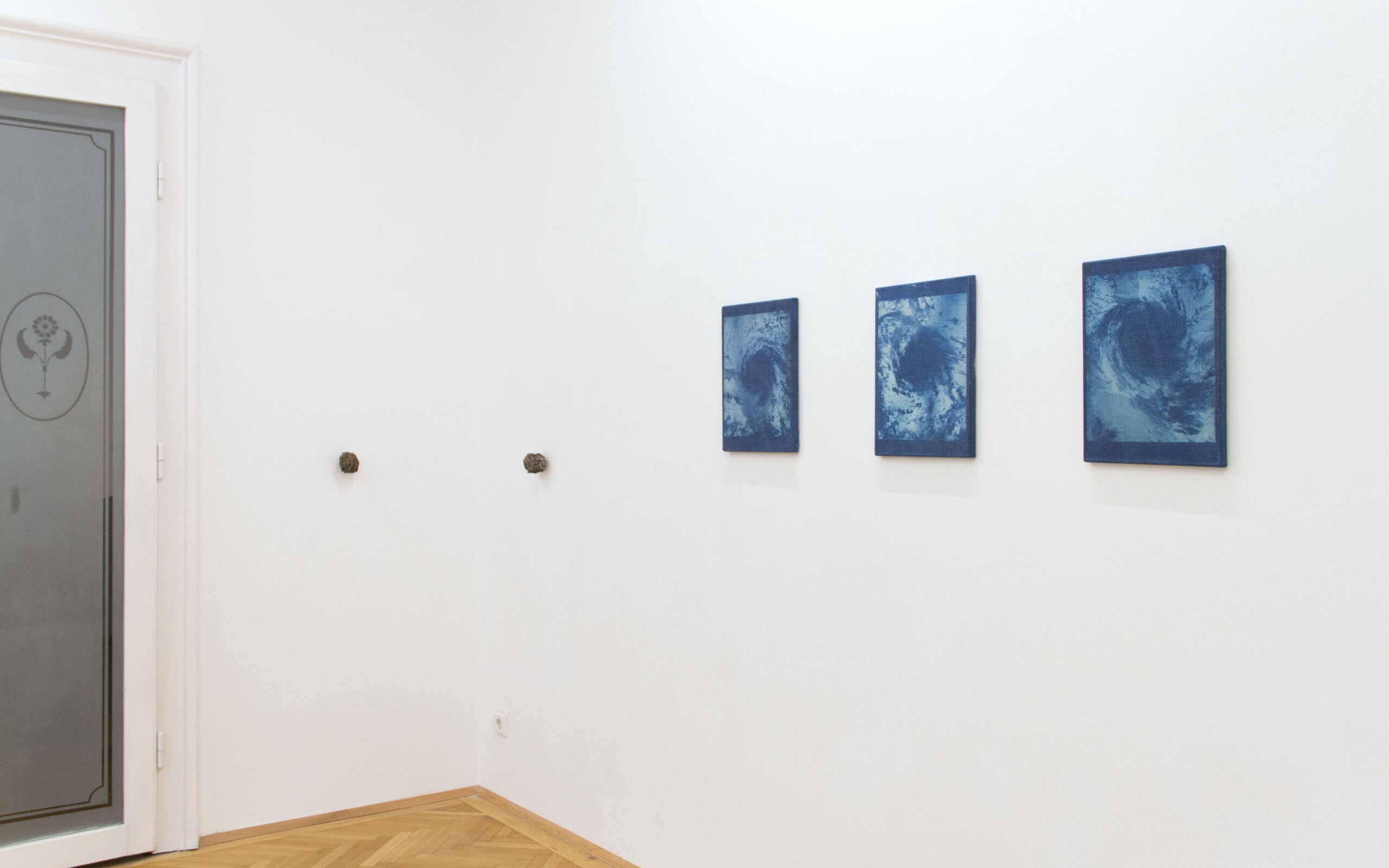
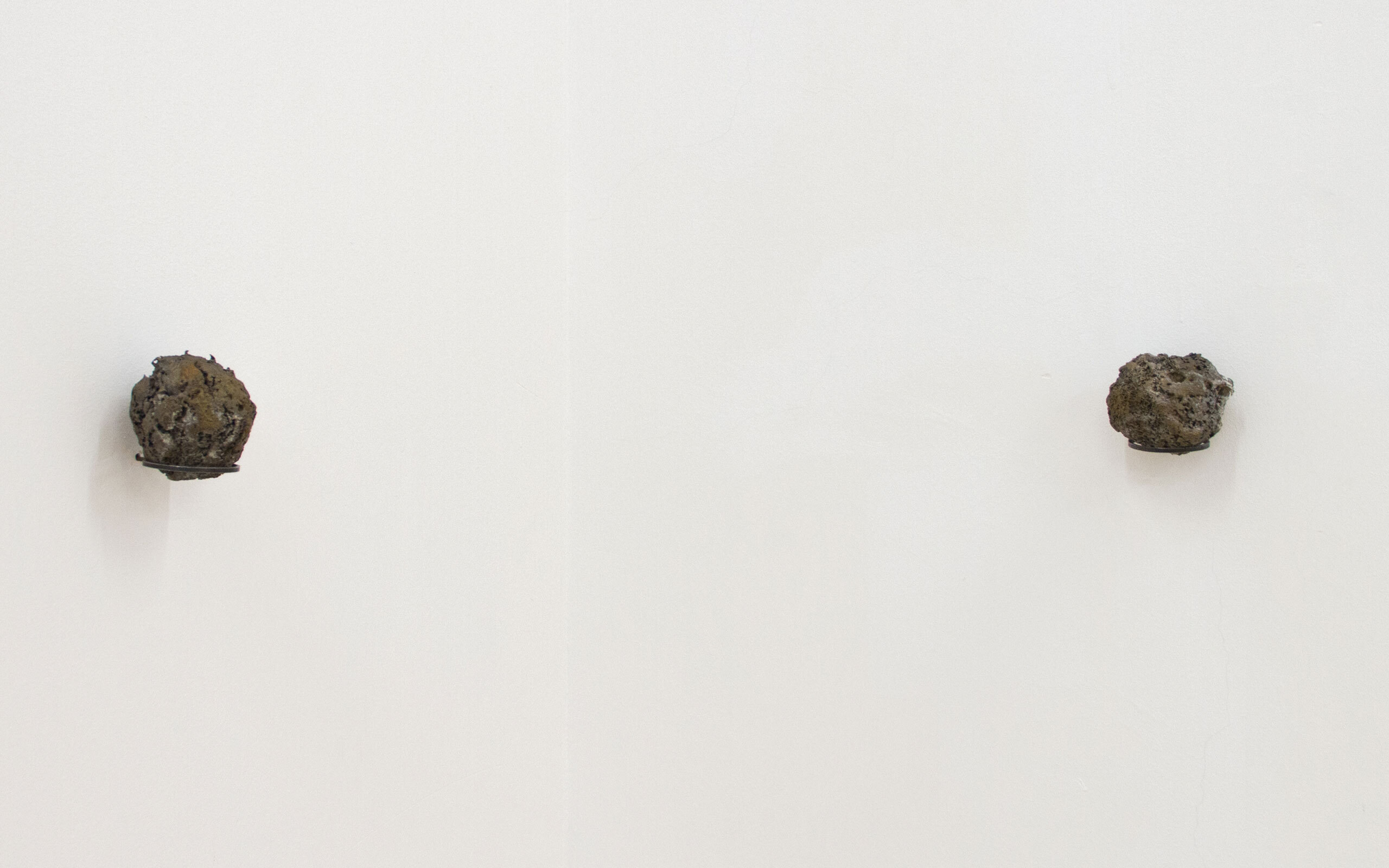
For the work series Snowball (Edition), Angelika Loderer collected snow in order to form snowballs and cast them in brass to perpetuate their unique shape. In the process the ephemeral material melts, changing its aggregate condition, this way becoming a “lost form”. The very moment of imminent disappearance of the snowball is transformed into a durable solid state, featuring subtle signs of the original snowball withdrawing from its hot cast form. As the process cannot be repeated a second time, a series of altogether ten materializations of snowballs, each with a distinct character of its own, in the moment of their disappearance has emerged. Snowball (Edition) was exhibited as part of the winter exhibition 2018/19 Grazer Kunstverein, titled Poems to Gadets, curated by Kate Strain.
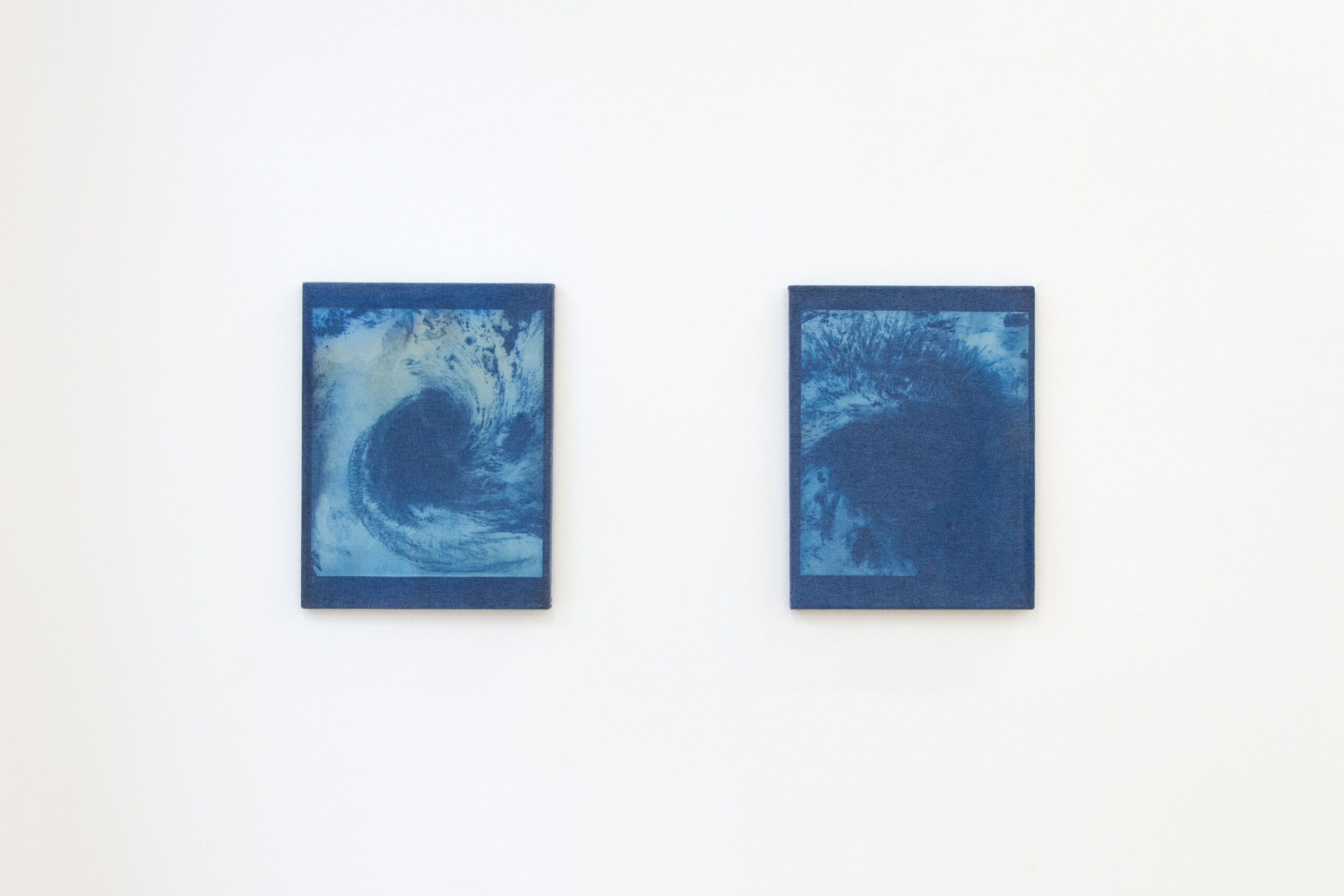
For his series Kerndruck, consisting of 15 unique pieces, Andreas Duscha uses photographs of the eye of hurricanes of the last thirty years. The photographs were exposed using the photographic technique of cyanotype, also known as iron blue printing, on a canvas previously photosensitized with a chemical solution. The eye of the storm is the area of a tropical cyclone that is almost windless and thus represents a moment of pausing in the swirling masses. Each hurricane has a very characteristic appearance, which makes it, similar to a fingerprint, unique. This unique character is also reflected in the fact that storms have been personified by being given names. Since 1953 the American Weather Service introduced a uniform list of 21 female names for raging storms in the Pacific and Atlantic region suggesting that women were prone to be furious. It was only in 1979 that this idiosyncratic and sexist nomenclature was overcome and also male names were added.
Angelika Loderer studied at the University of Applied Arts Vienna in the class of Erwin Wurm, with stays at the Wimbledon College of Art in London and Hendrix College in the USA. Her work has been shown in numerous solo and group presentations in Austria, Germany, Italy, Spain and Australia, including Grazer Kunstverein, Secession (Vienna), Belvedere 21 (Vienna), Museum der Moderne Salzburg, Dortmunder Kunstverein, and has entered important institutional collections such as by the Lentos Kunstmuseum in Linz, Kunsthaus Bregenz, Belvedere 21 (Vienna), and the Museum der Moderne Salzburg. She has been awarded the reputable Dagmar Chobot Sculpture Prize in 2016 and the Cardinal König Art Award in 2019. The artist is represented by Galerie Sophie Tappeiner(Vienna) and Clemens Gunzer (Kitzbühel/Zurich). Angelika Loderer lives and works in Vienna.
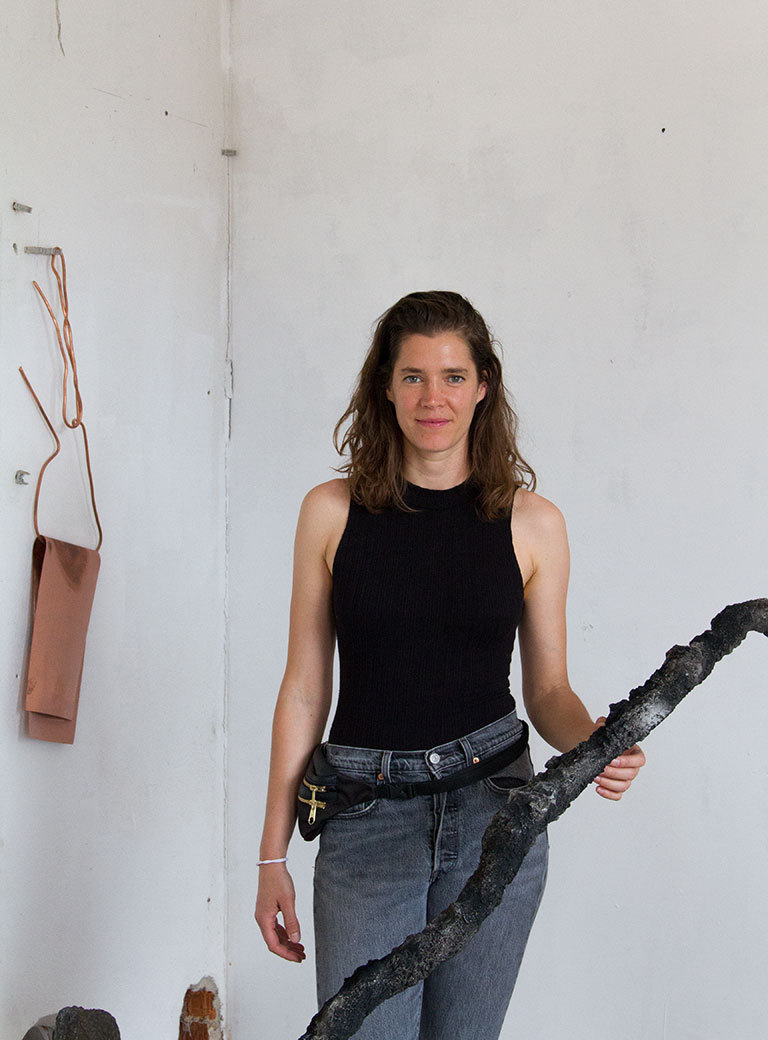
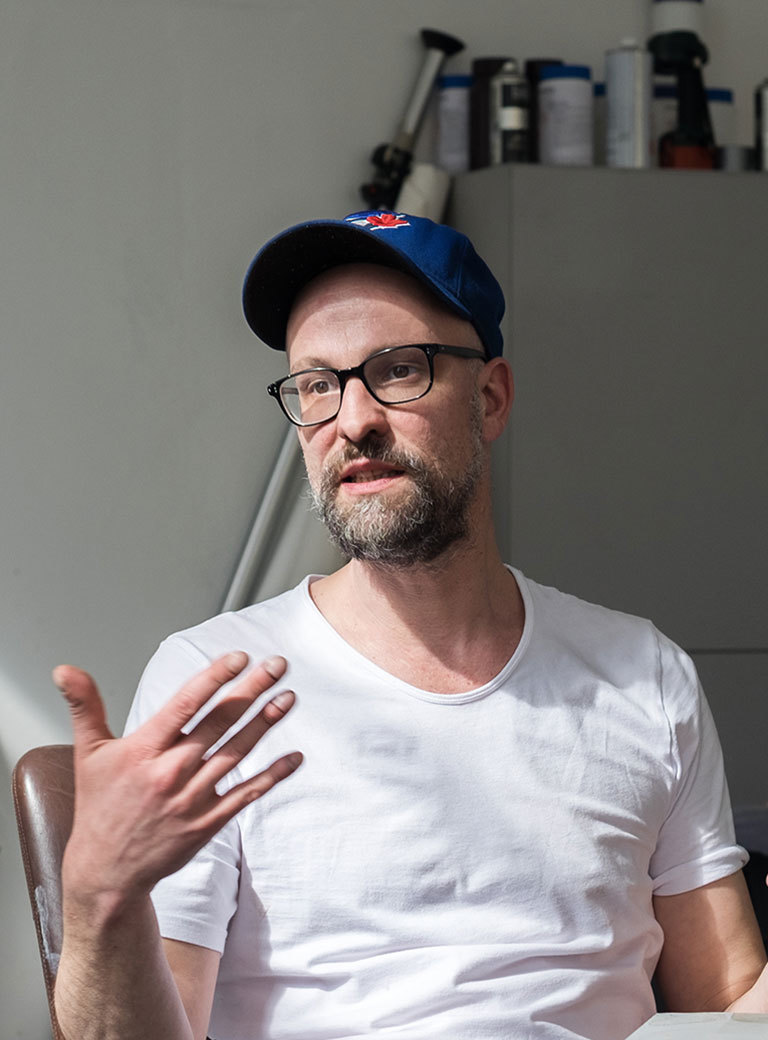
Andreas Duscha (*1976 in Heidenheim an der Brenz, Germany) studied at the Academy of Fine Arts Vienna. His work has been exhibited in Europe and abroad, including Belevedere 21 (Vienna), Kunsthaus Zurich and ISCP New York. Duscha has been nominated and awarded several art prices including the Birgit Jürgenssen Price, Hans Helmut Baur Price, and the BC21 Art Award. The artist is represented by Galerie Christine König (Vienna). Andreas Duscha lives and works in Vienna.
Curated by Florian Langhammer
Text: Florian Langhammer
Photos: Florian Langhammer, Maximilian Pramatarov (portrait Andreas Duscha)