Elisa Alberti I Edin Zenun
26 April – 3 June, 2023
Collectors Agenda presents Elisa Alberti (*1992, Kiel) and Edin Zenun (*1987, Skopje) in dialogue with each other for the first time on the occasion of this duo exhibition.
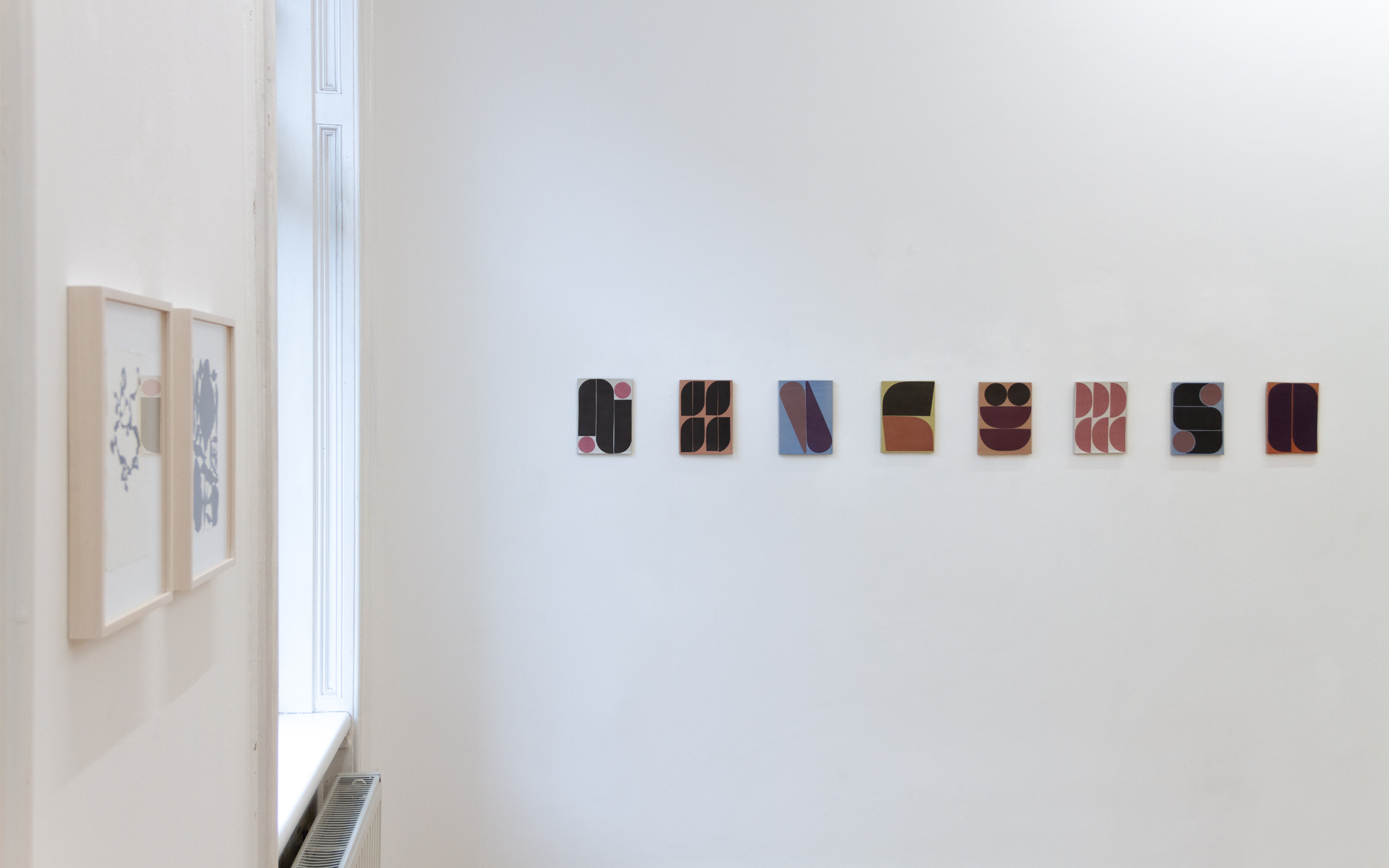
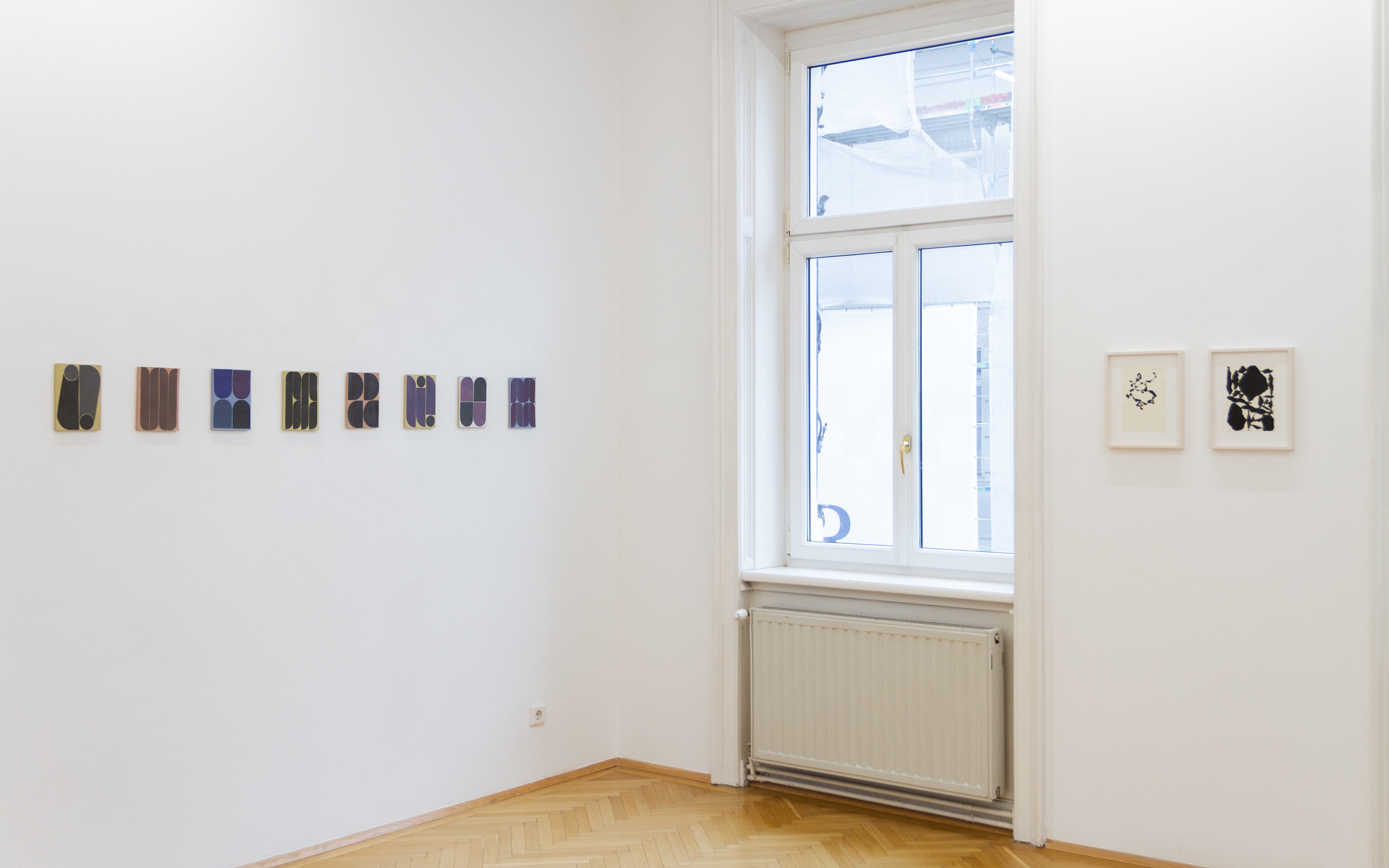
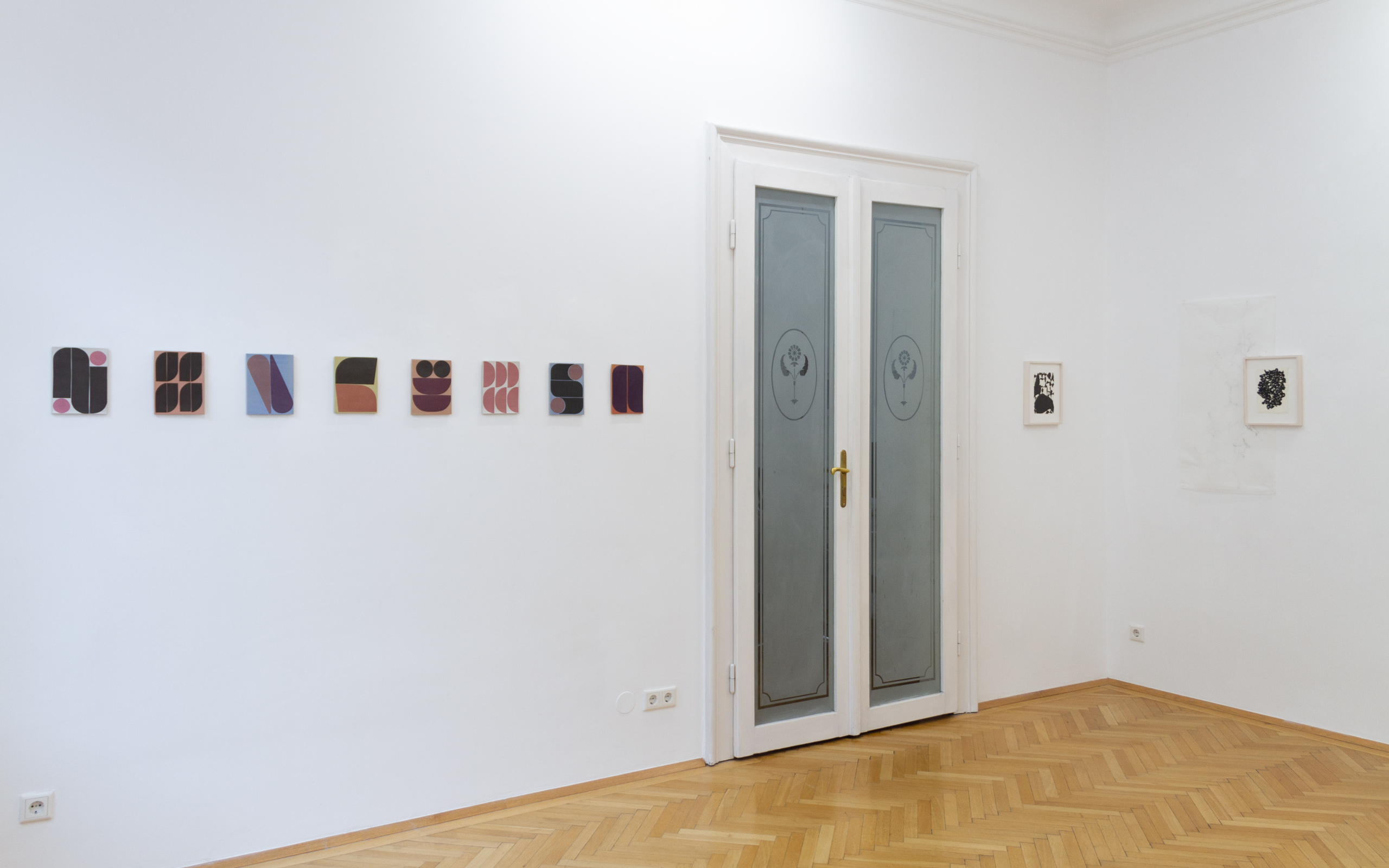
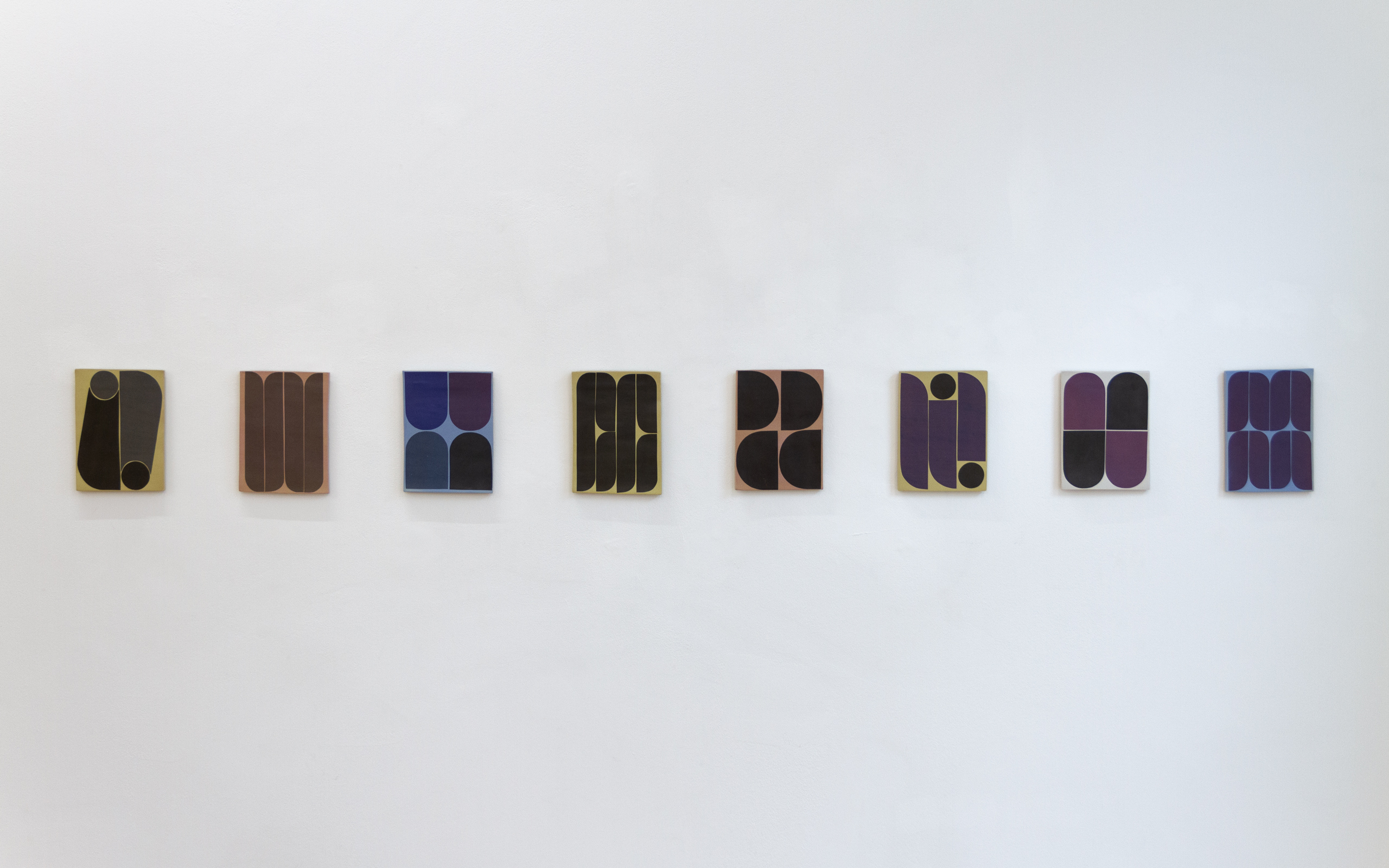
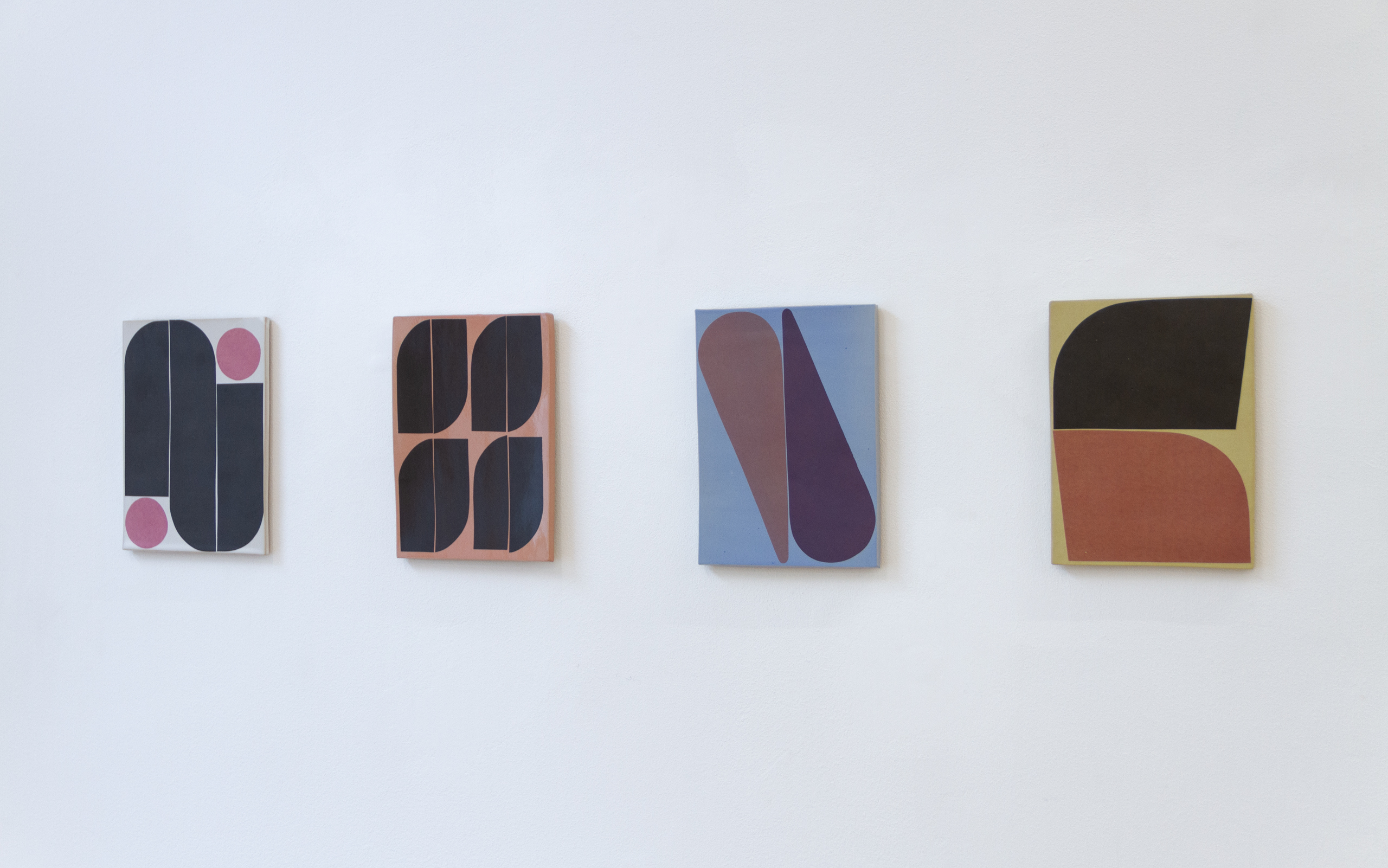
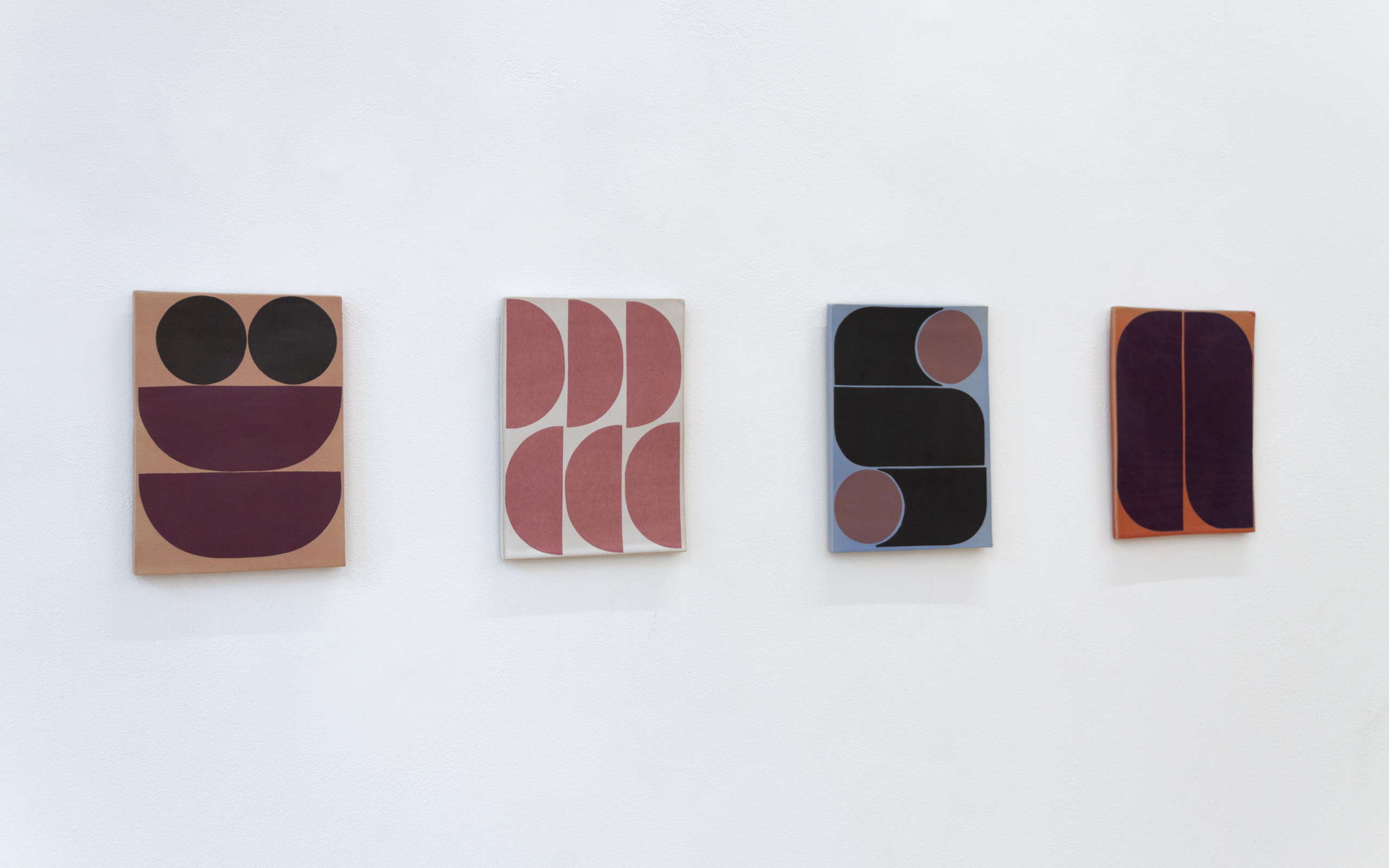
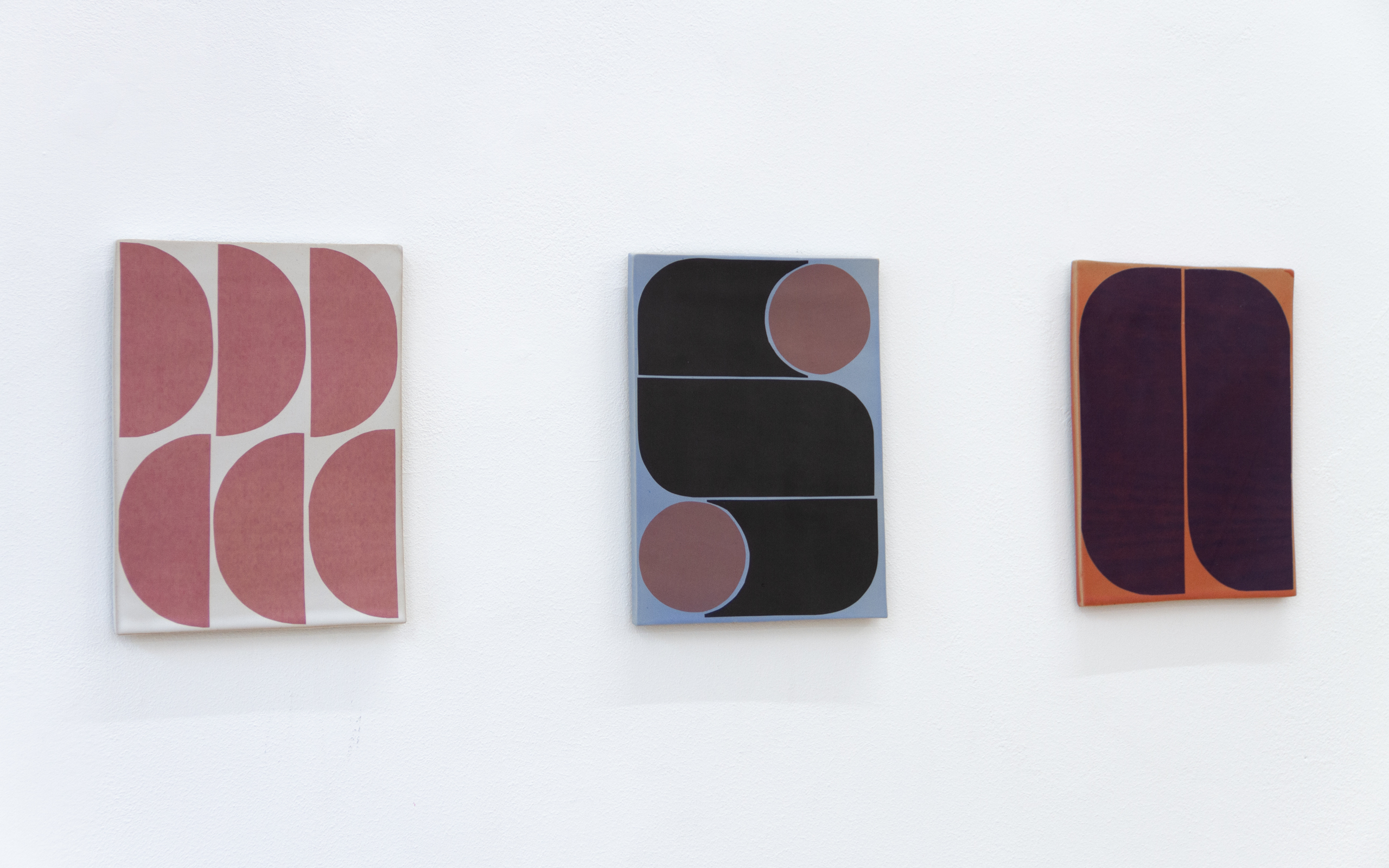
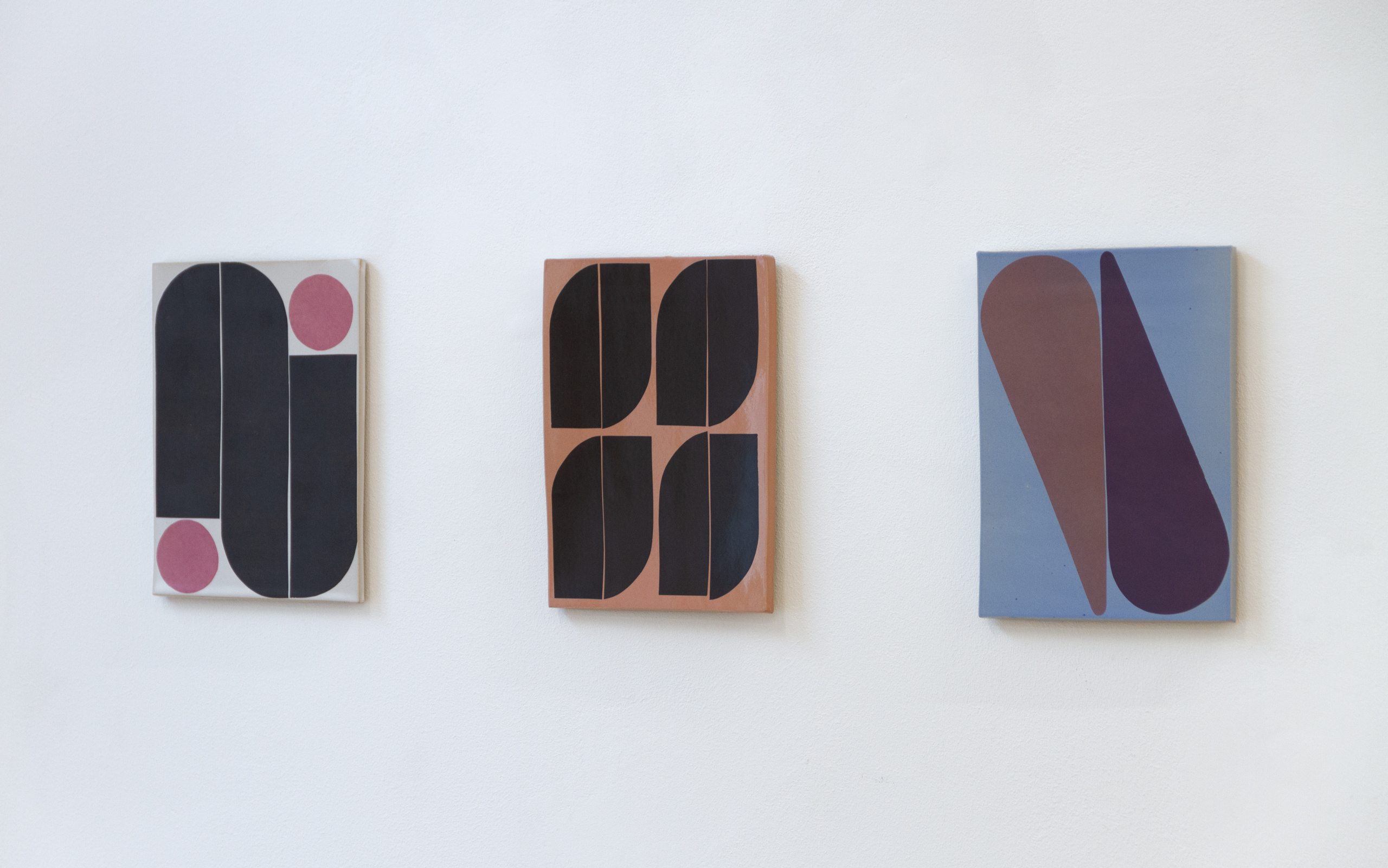
Elisa Albert's work is characterized by an abstract geometric language of forms. Strict and accurately executed curved surfaces, which are kept in a delicate and nuanced color palette, and are repeatedly interrupted by rich black, white or warm gray tones, shape the aesthetics of her paintings. The composed flat curves seem to influence each other, and indeed, the artist, who likes to think in series, intends to create a reaction between the works as well as to establish references among them. The painterly and graphic idea has always been present in Alberti's work, initially manifesting itself in figurative motifs such as organic forms, reminiscent of plants, in connection with abstract forms. However, Alberti gradually moved away from the representational and developed her work towards reduced abstraction.
In his poetic and gestural, musical painting, Edin Zenun poses the question of the ideal composition in the interplay of form and color. He devotes great attention to the materiality of color, experimenting with hand-made pigments, oil, and clay. His paintings move between abstraction and figuration, whereby the desire to create something new from existing or familiar elements becomes recognizable as one of the driving forces of his artistic productivity. He draws on Jacques Derrida's theory of "hauntology" – a notion that concerns the reappearance or enduring presence of certain elements, reminiscent of lingering remnants, or ghosts, from times gone by. Although he considers this return to the past misleading and even unhealthy, discrepancies between idea and reality open up possibilities for discovery that flow into his work.
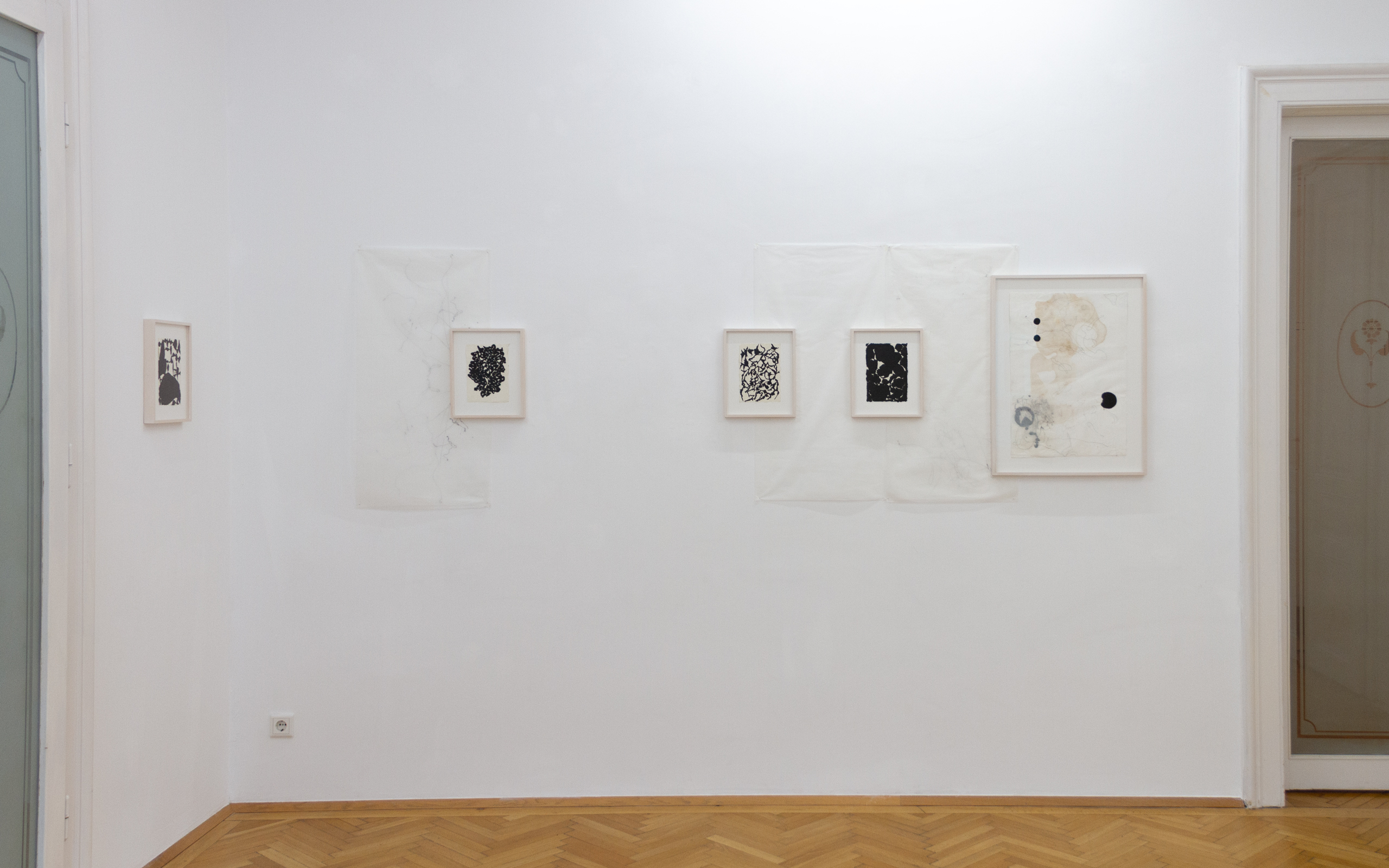
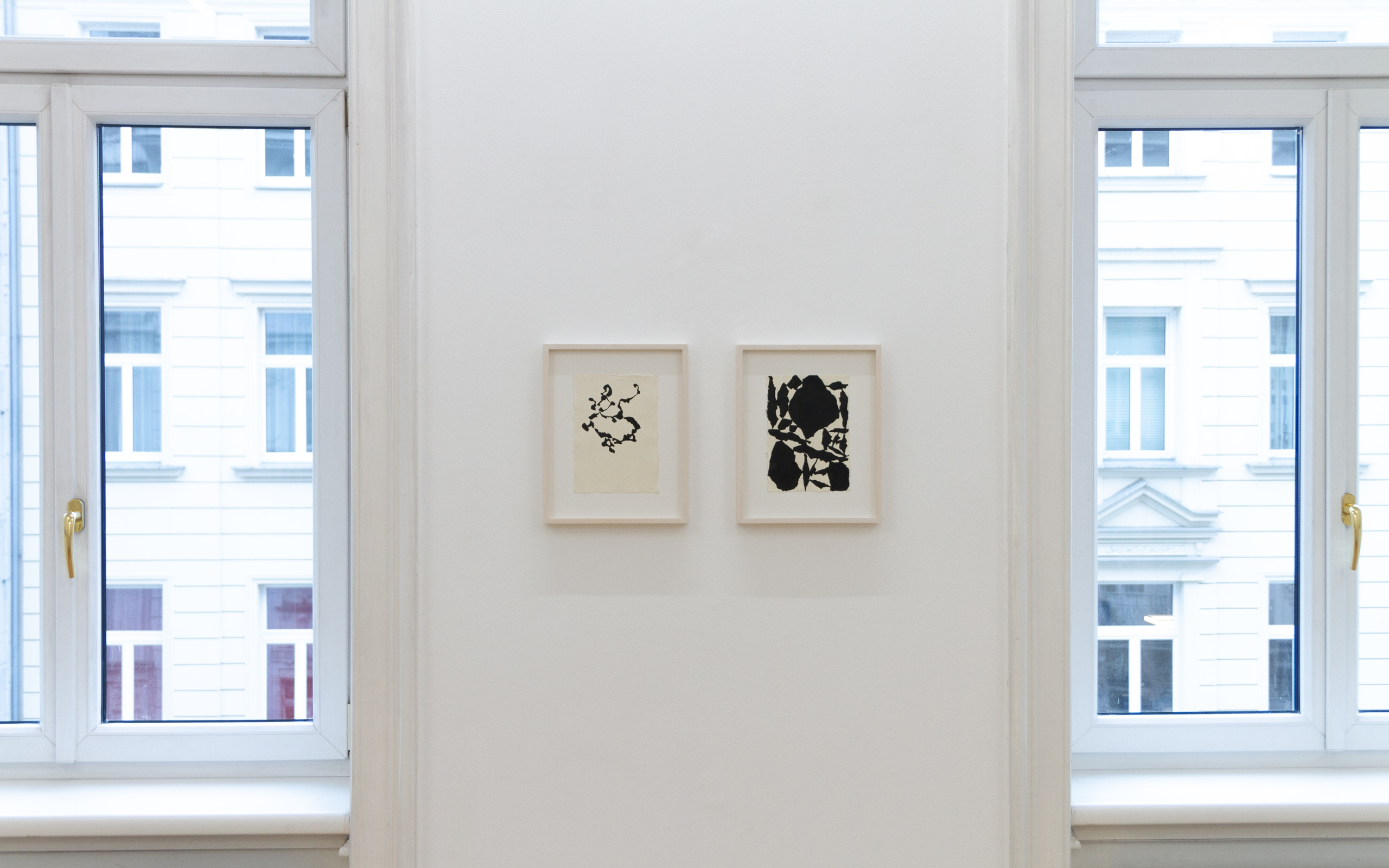
In the juxtaposition, Edin Zenun's rather impulsive gestural works form interesting connections with Elisa Alberti's stringent, minimalist formal language. Ink works on paper meet fired clay. In both cases, the artists used a medium in which they usually work less or not at all, allowing viewers to gain a whole new perspective on the essential artistic priorities of Alberti and Zenun.
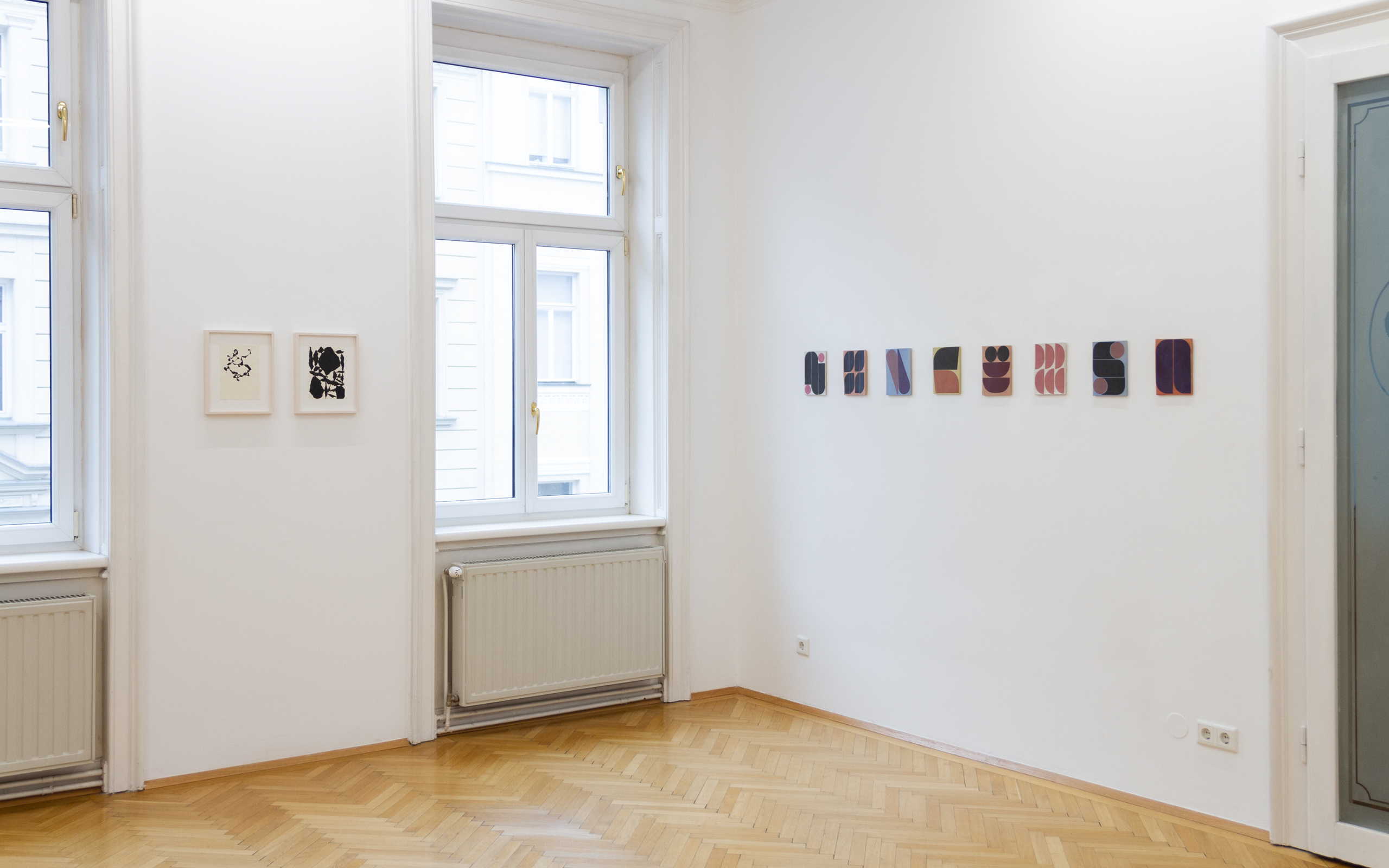
For creating her series abstract relationships (2022), consisting of 16 works, Elisa Alberti, who typically works on canvas or wooden blocks in her artistic practice, has even dealt with ceramics as a medium for the first time. As known from her other works, Alberti also varies and adapts her characteristic forms in their color and composition and establishes relationships between the individual works. However, in this case, an unexpected element of imperfection arises from the special materiality of clay and the unpredictability inherent to the firing process, evocative of Wabi-Sabi, a Japanese aesthetic way of thinking that is closely associated with Zen Buddhism that uses the state of imperfection for the perception of beauty and that can be found in many arts from Japan such as Japanese garden design, bonsai, Ikebana, or Japanese ceramics.
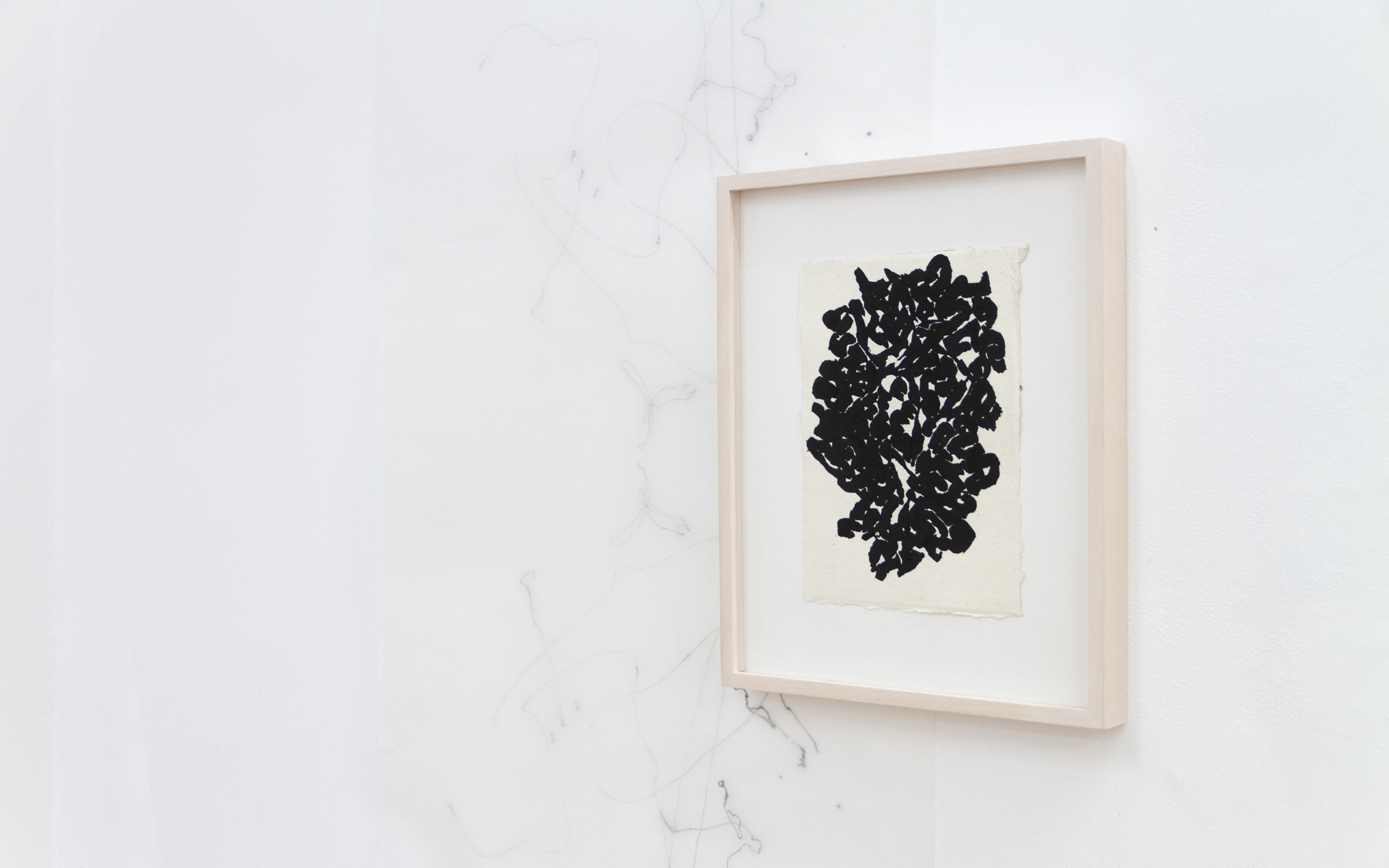
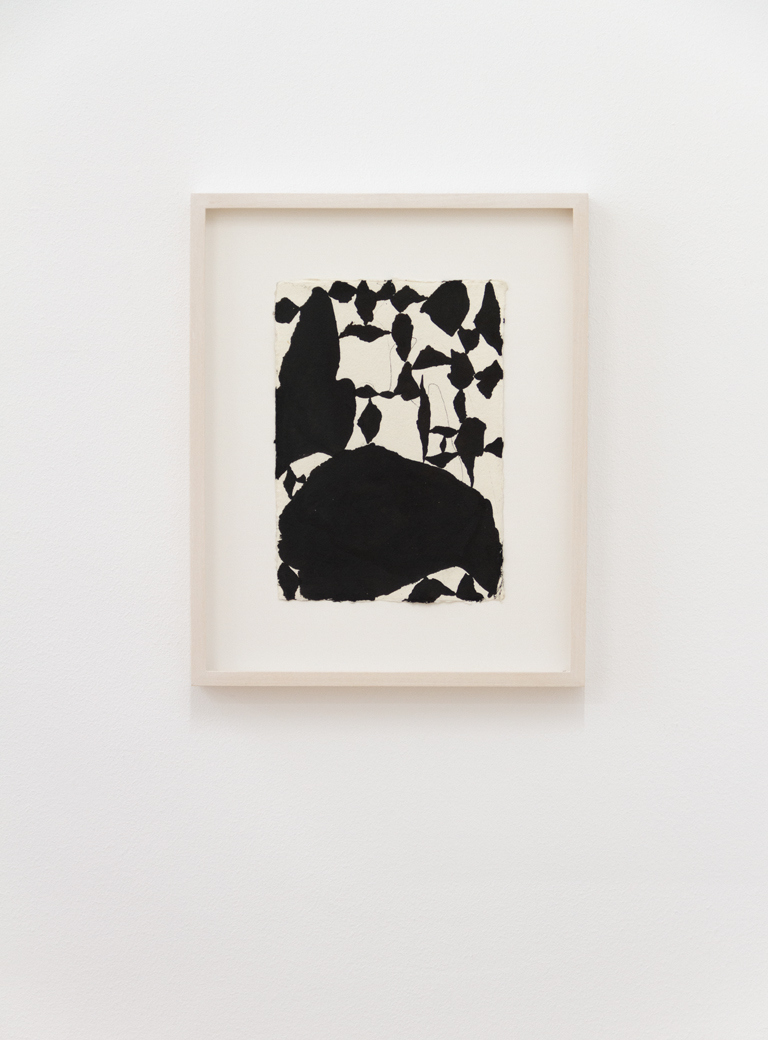
As if in response to this beauty that arises from imperfection, Edin Zenun also uses hand-made and roughly torn China paper for his ink drawings. Reminiscent of calligraphic structures or blotches as they occur in Rorschach tests, the black and white drawings from Taking Cuts (2023) contrast with the colored surfaces of Alberti and transcend their strict geometry, with Zenun's formal language always moving on the borders of the figurative or at least of the associative. It soon becomes apparent, that his drawings also refer to each other by picking up elements from each other, multiplying, reducing or amplifying them.
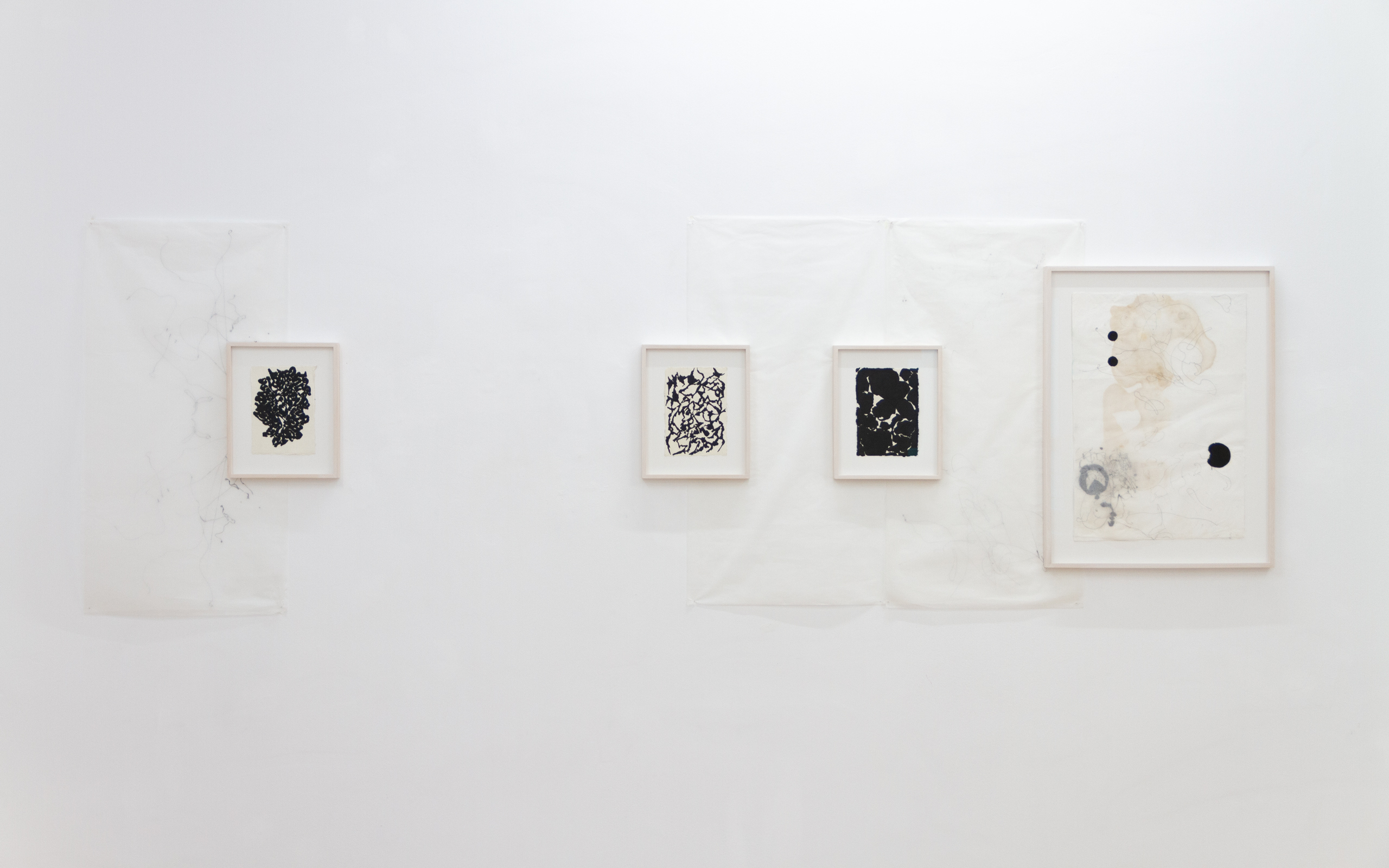
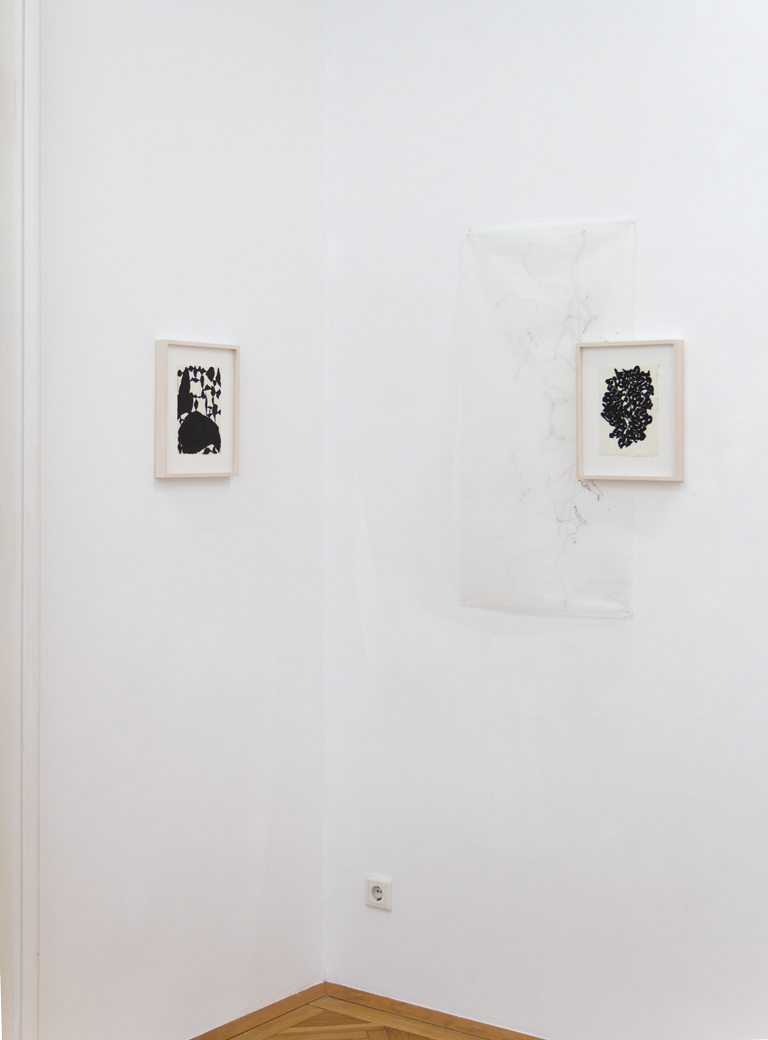
The works of Elisa Alberti and Edin Zenun encounter each other in their intuitive, organic and concerted artistic expression, creating a bridge between reduced, abstract formal language on the one hand and the desire of both positions to experiment with the unknown.
Text: Livia Klein