In his new series For my mother (2017), Andreas Duscha is concerned with an often overlooked phenomenon in literature: dedication. The word can be derived from Latin “dedicatio”, which means consecration, or appropriation. A dedication can imply a simple “thank you“ by the author to someone close, a display of affection to a special person, or a note about a thing or an event of particular importance.
The edition features twelve mirror glass pieces, manufactured by the artist himself according to a 19th century production method. Each mirror has a different dedication by an author, extracted from world literature, etched into its surface. The isolated analysis of these dedications – selected by the artist mainly for their poetic quality – creates new levels of meaning, offering entirely new perspectives and narratives that are detached from the original content of the respective book.
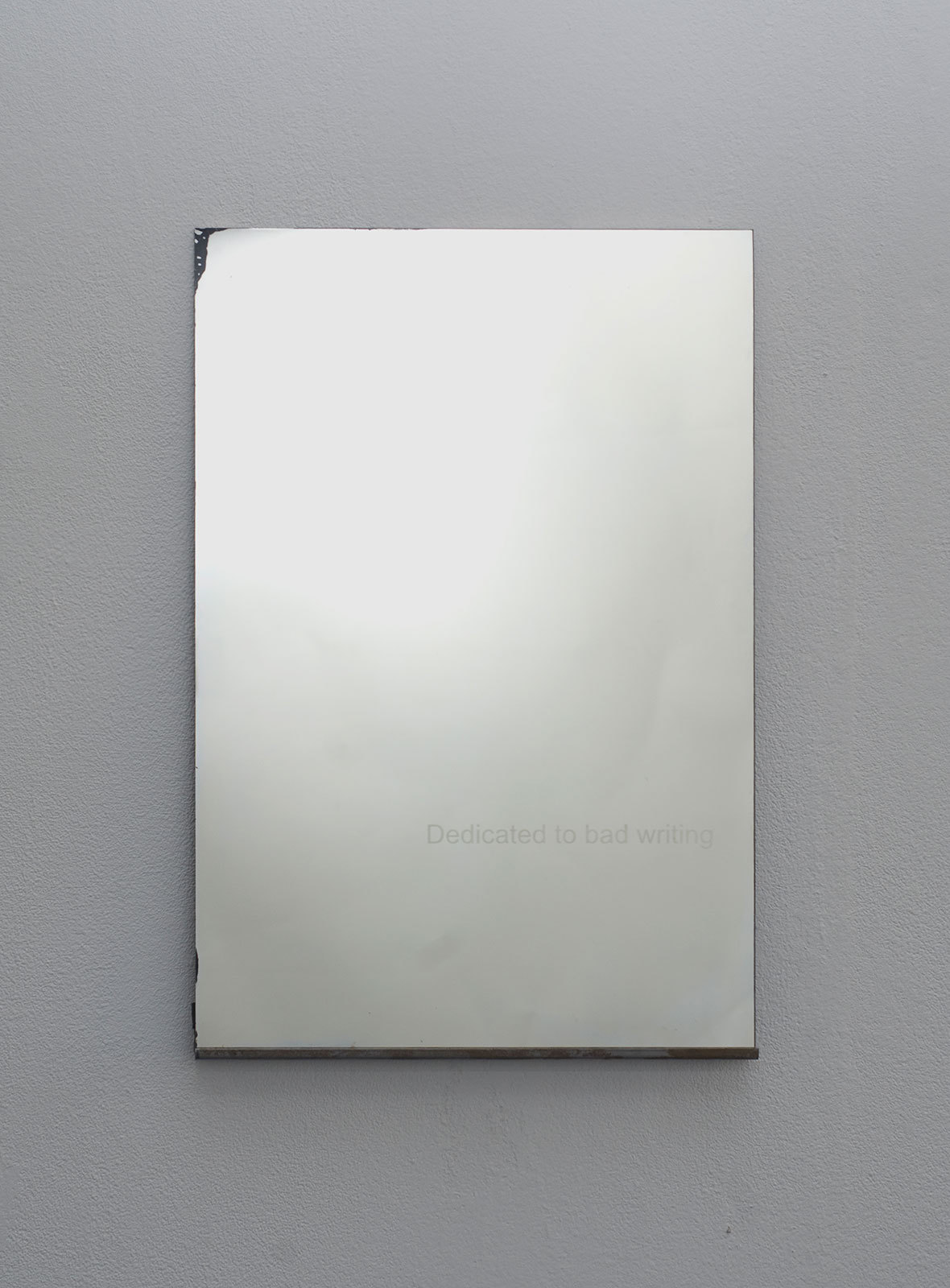
Edition 1/12 - »Dedicated to bad writing«, adopted from Charles Bukowski’s Pulp
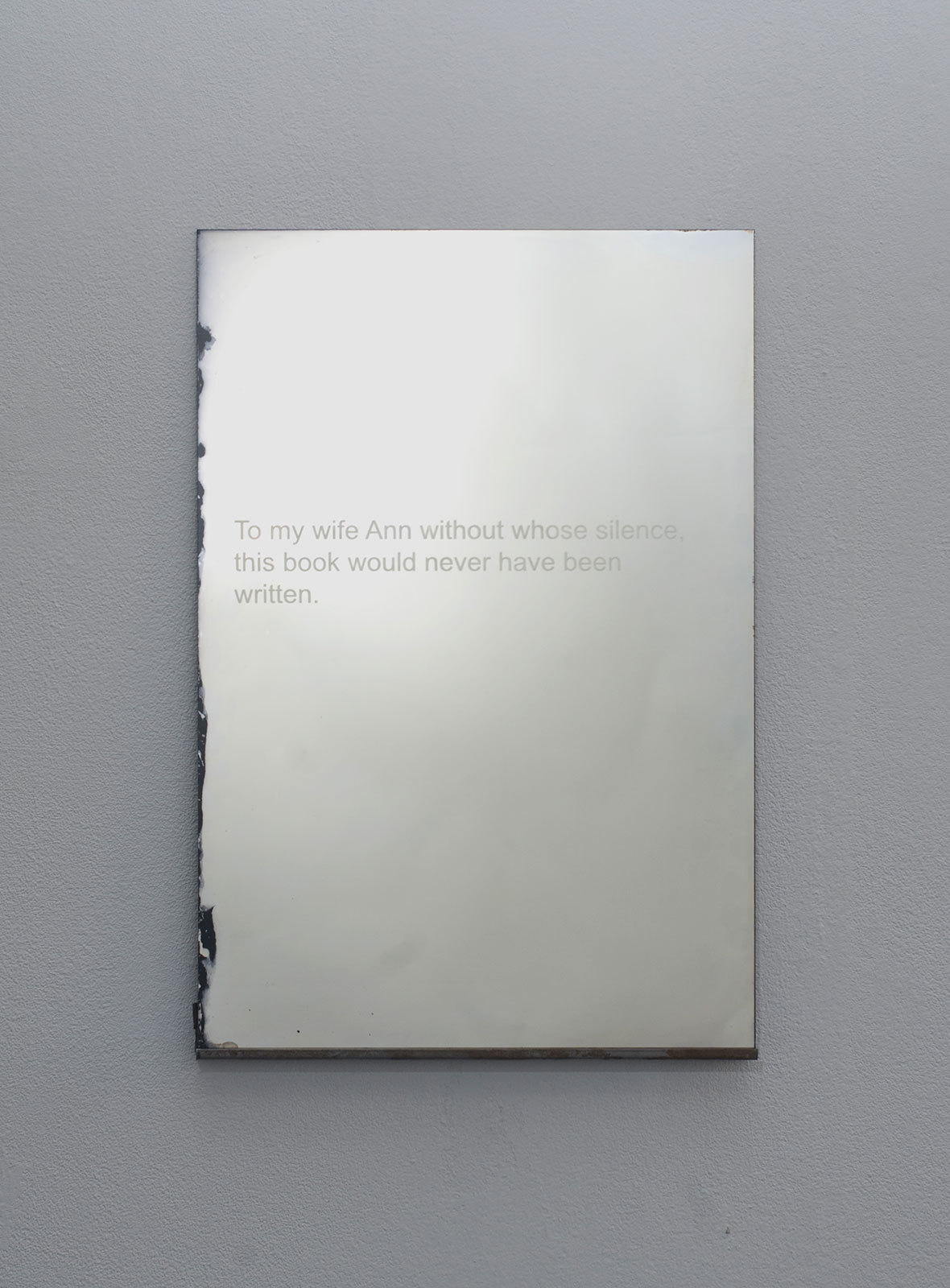
Edition 2/12 - »To my wife Ann without whose silence, this book would never have been written«, adopted from Philip K. Dick’s The man in the high castle
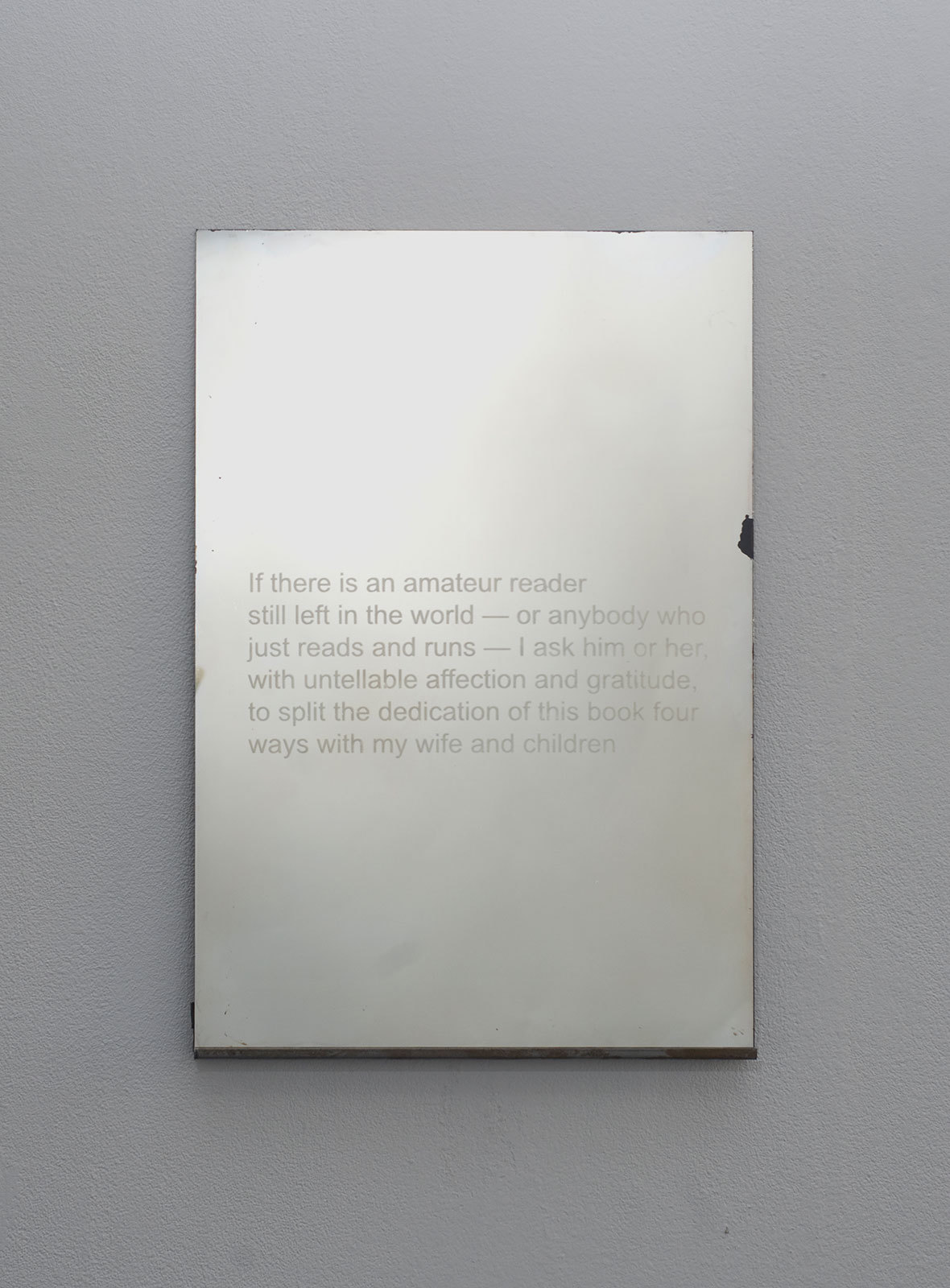
Edition 3/12 – »If there is an amateur reader still left in the world - or anybody who just reads and runs - I ask him or her, with untellable affection and gratitude, to split the dedication of this book four ways with my wife and children«, adopted from J.D Sailinger’s Raise High the Roof Beam, Carpenters and Seymour: An Introduction
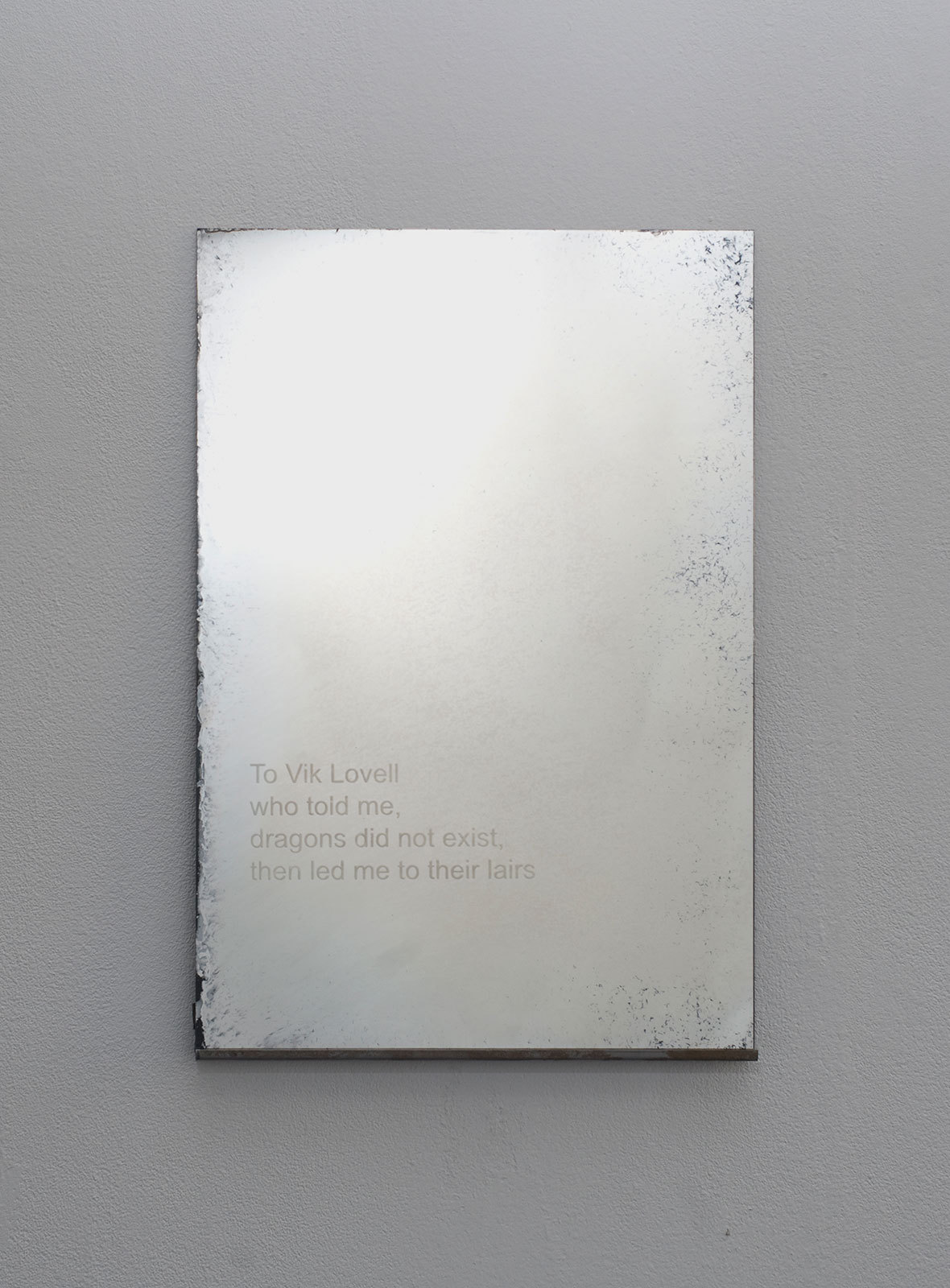
Edition 4/12 – »To Vik Lovell, who told me, dragons did not exist and then led me their lairs«, adopted from Ken Kesey’s One flew over the Cuckoos Nest
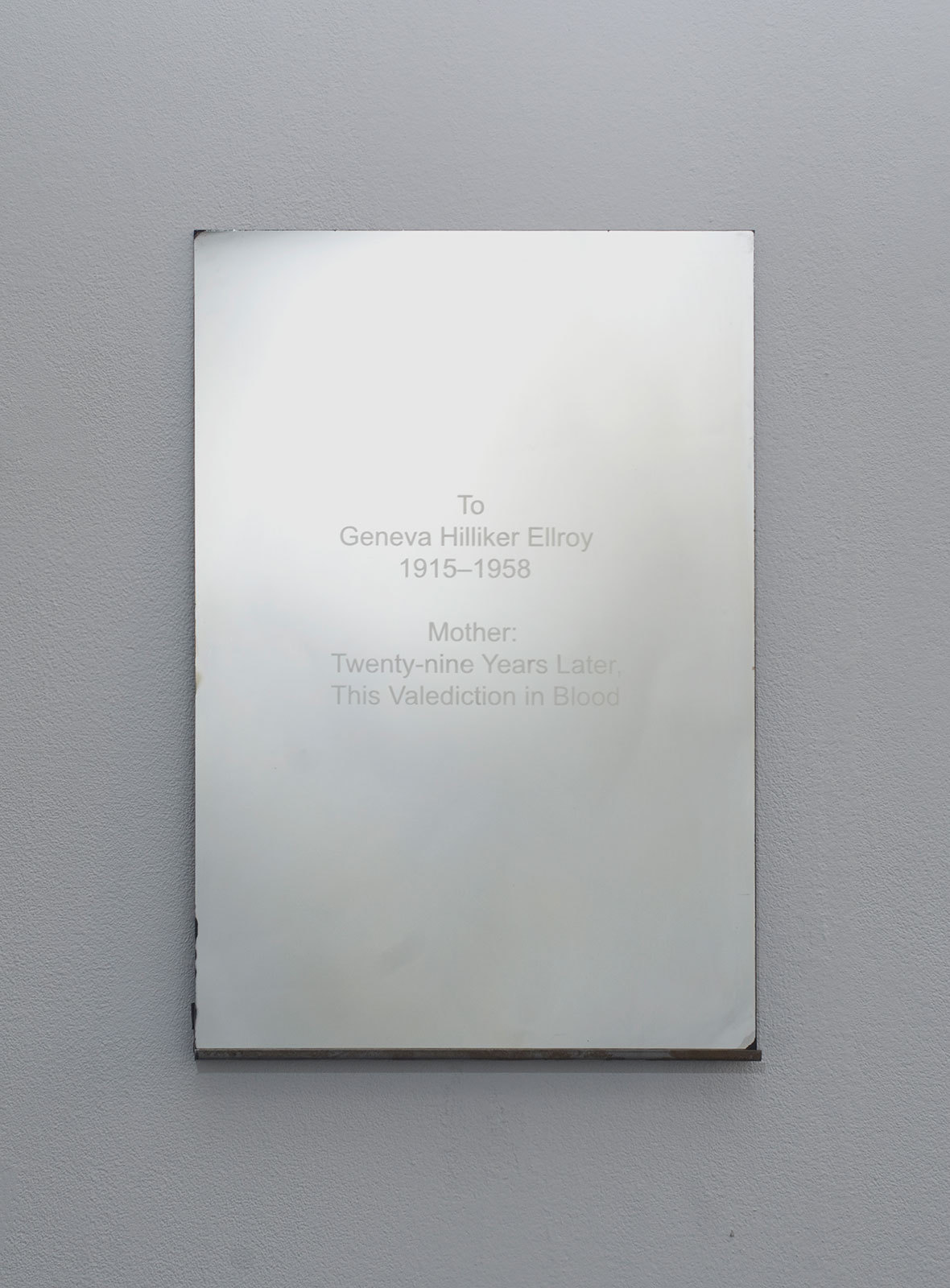
Edition 5/12 – »To Geneva Hilliker Ellroy 1915-1958 Mother: Twenty-Nine Years later, This Valediction in Blood«, adopted from James Elroy’s Black Dahlia
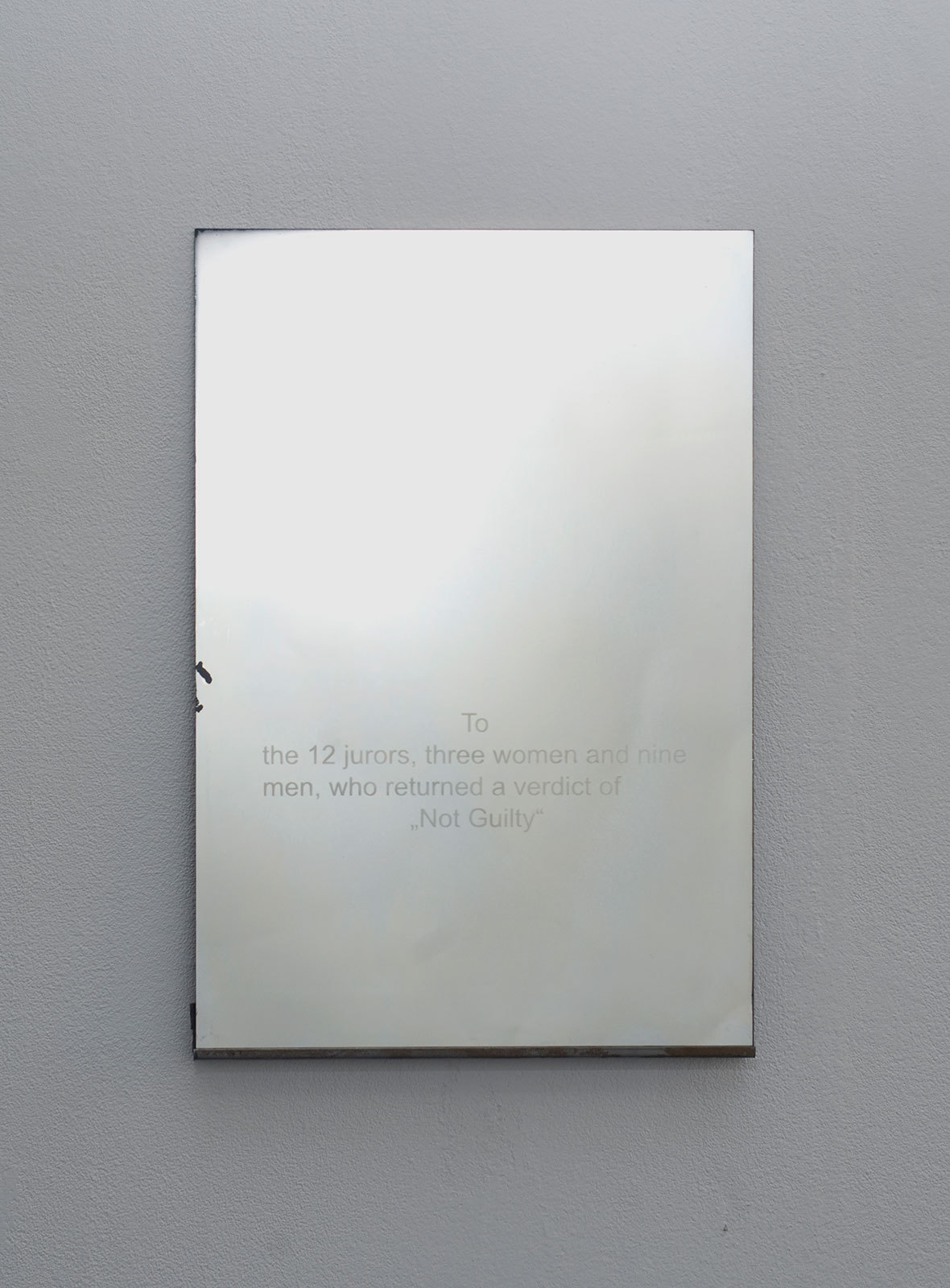
Edition 6/12 – »To the 12 jurors, three women and nine men, who returned a verdict of „Not Guilty“«, adopted from D.H Lawrence's Lady Chatterly
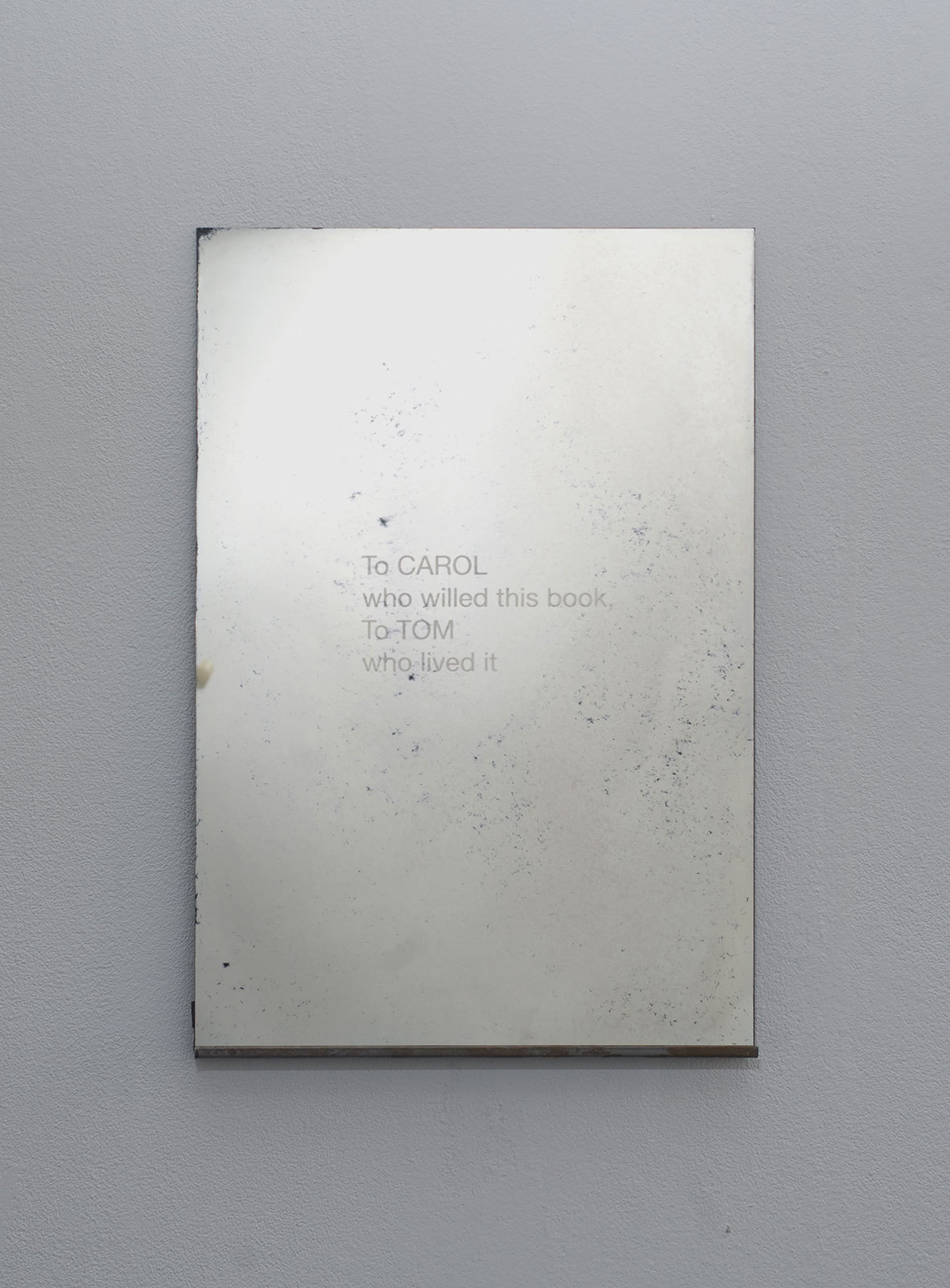
Edition 7/12 – »To CAROL who willed this Book, To TOM who lived it«, adopted from John Steinbeck’s The Grapes of Wrath
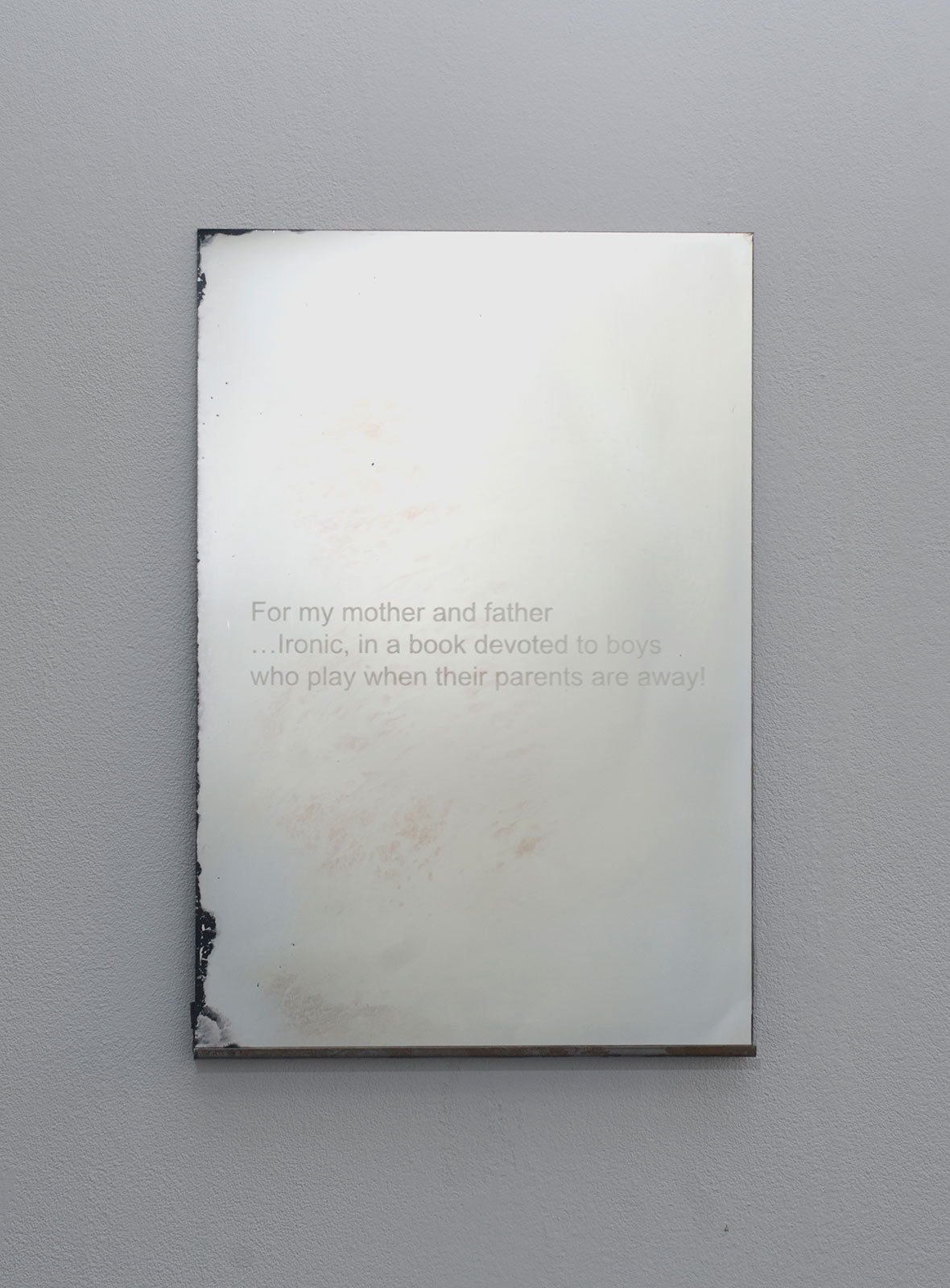
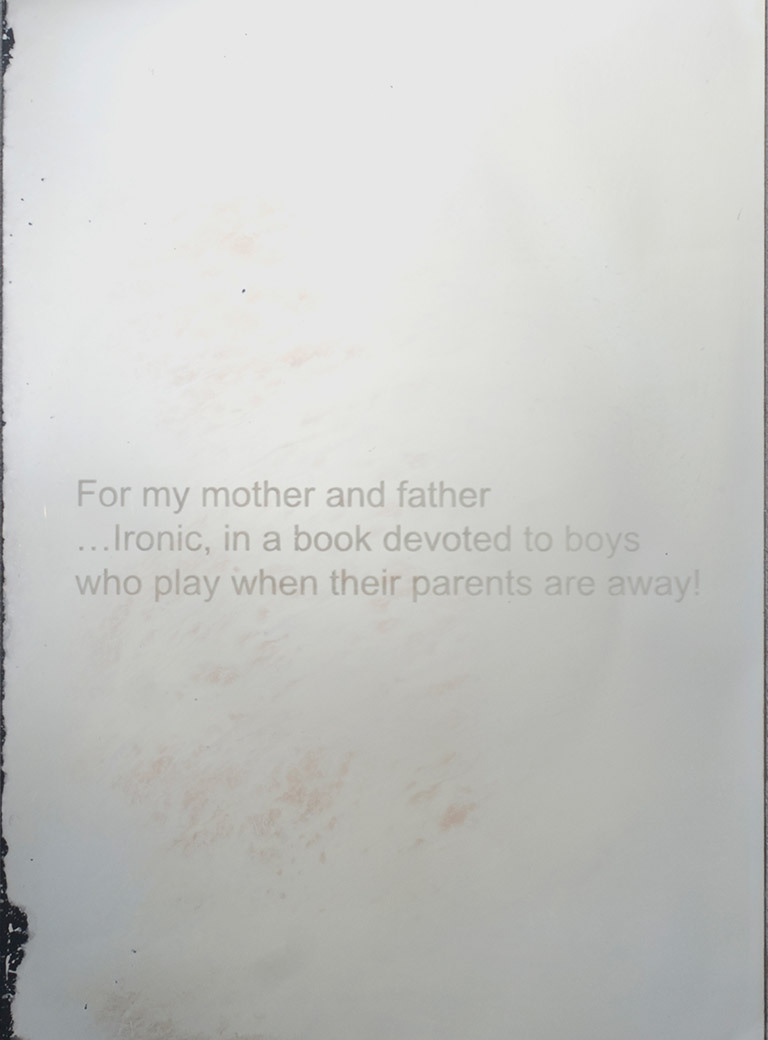
Edition 8/12 – »For my mother and father… Ironic in a book devoted to boys who play when their parents are away!«, adopted from William Golding’s Lord of the Flies
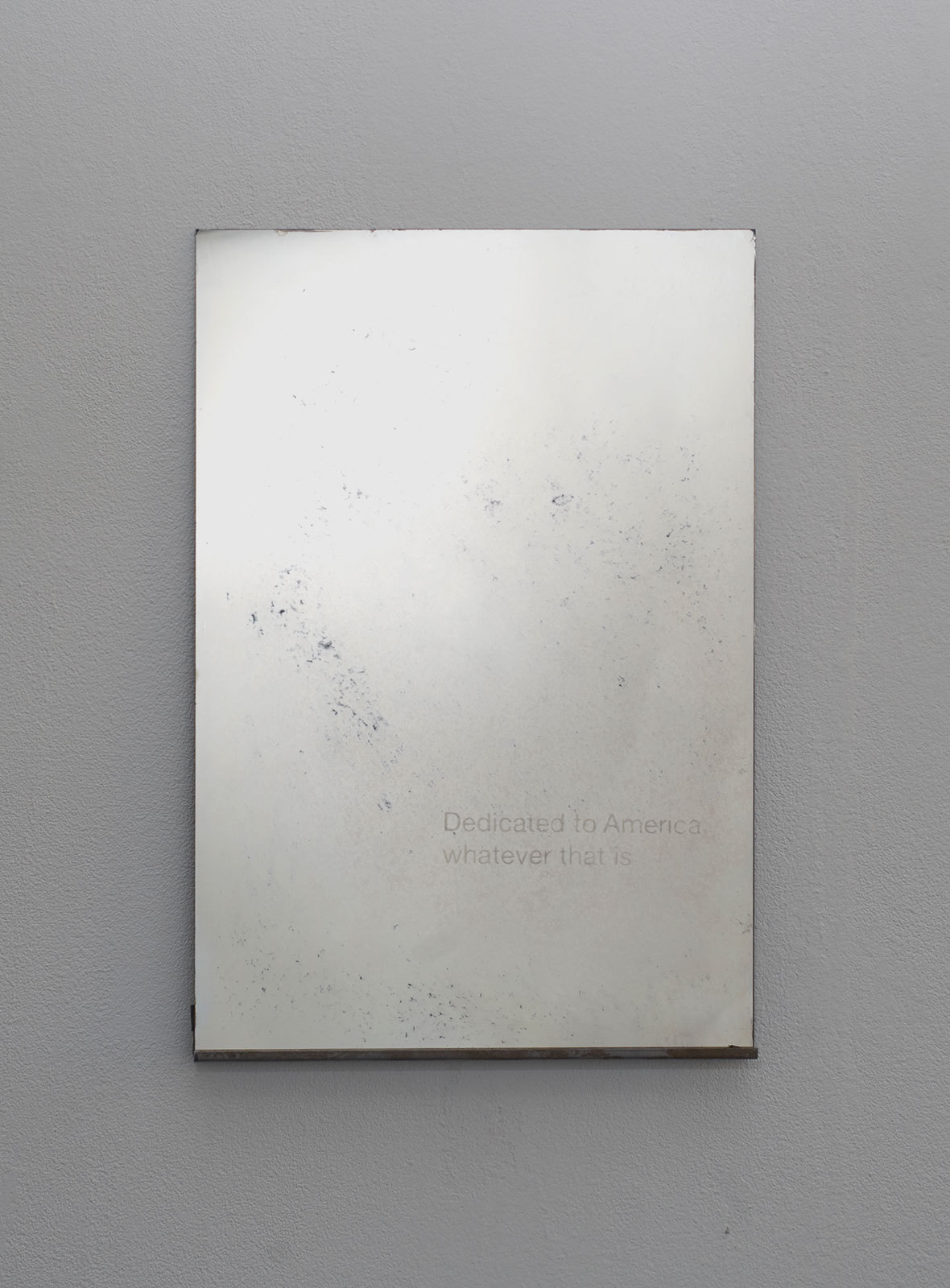
Edition 9/12 – »Dedicated to America, whatever that is«, adopted from Jack Kerouac’s Visions of Cody
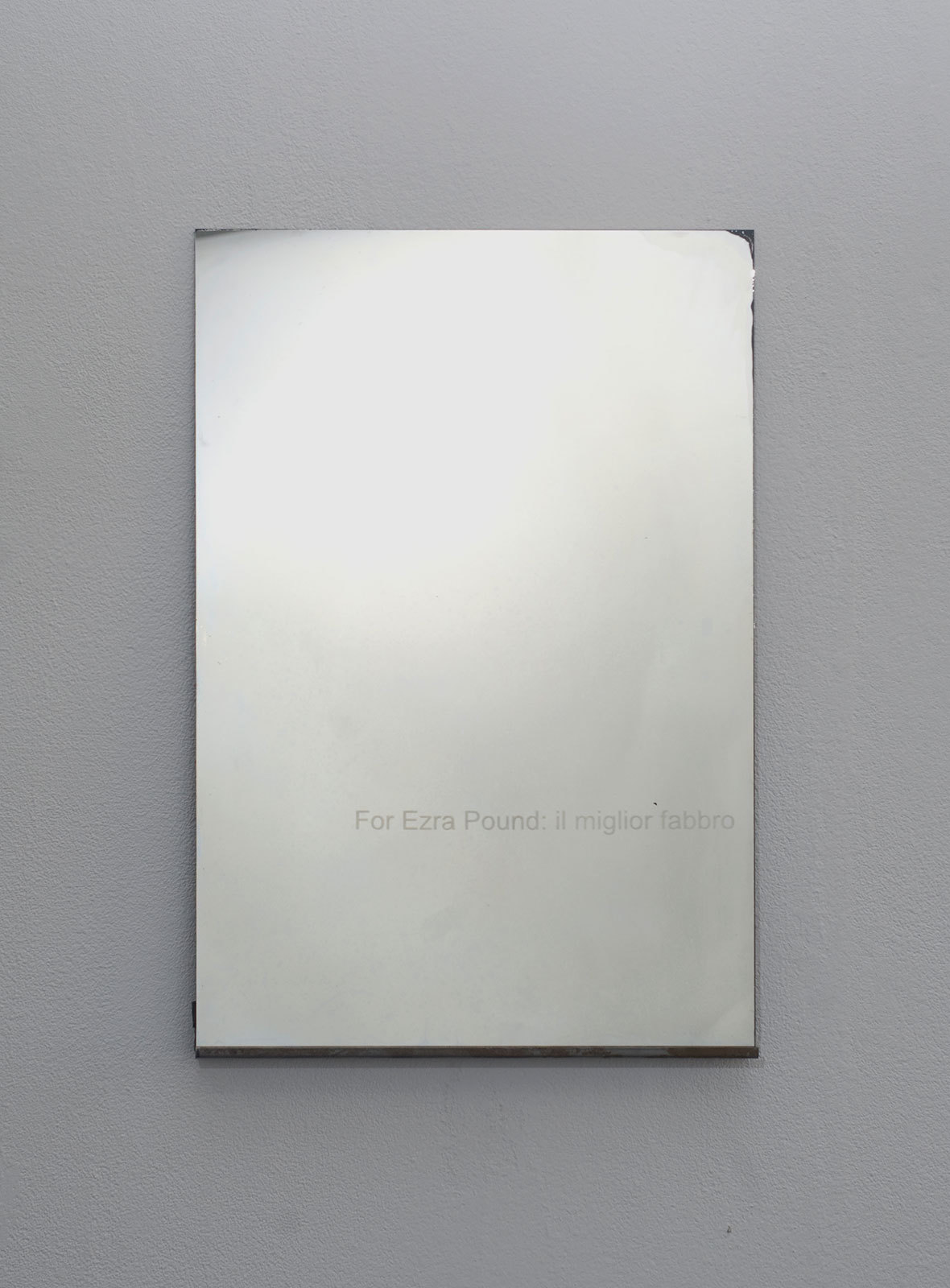
Edition 10/12 – »For Ezra Pound: il miglior fabbro«, adopted from T. S. Eliot's The Waste Land
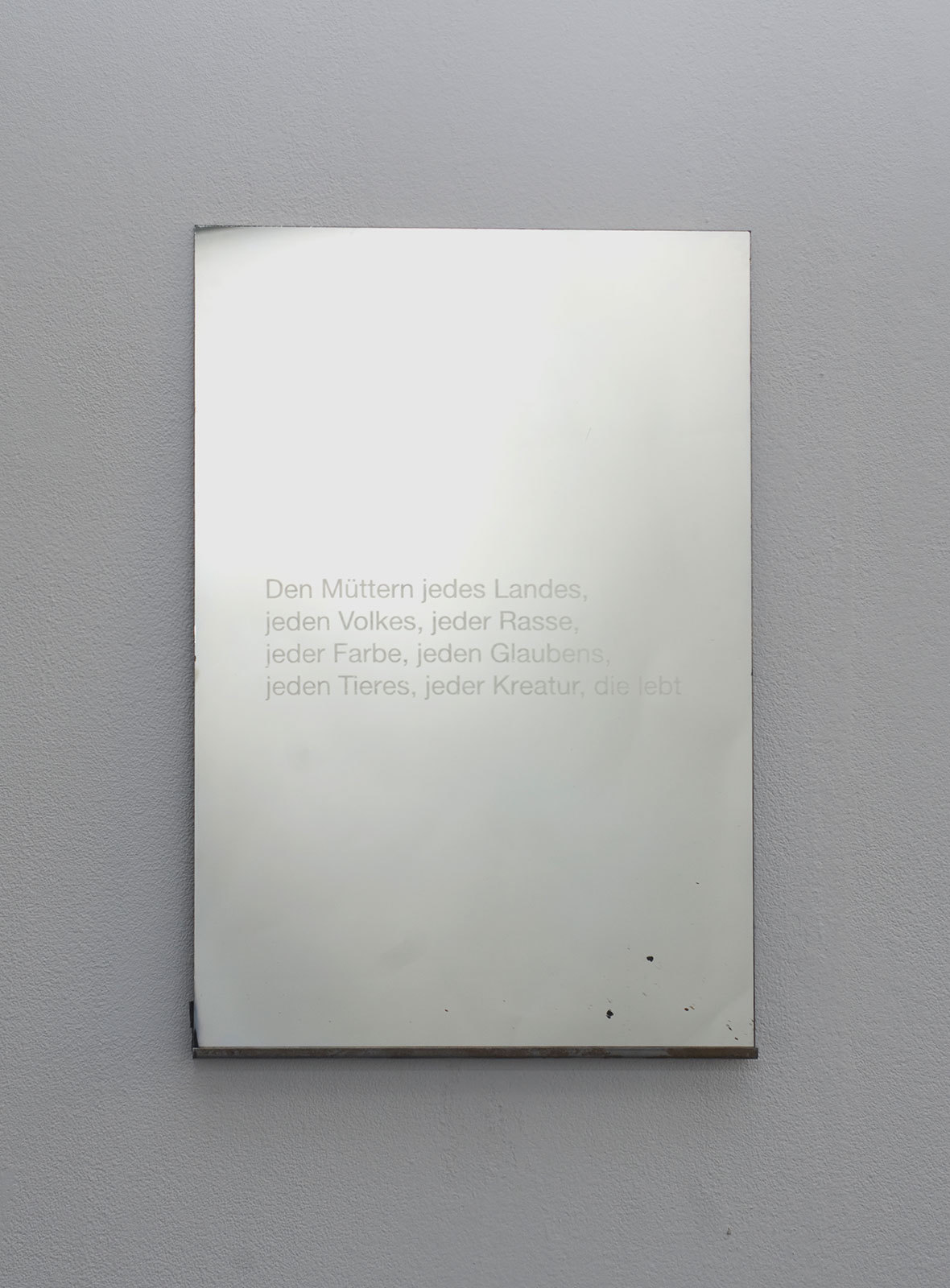
Edition 11/12 – »Den Müttern jedes Landes, jeden Volkes, jeder Rasse, jeder Farbe, jeden Glaubens, jeden Tieres, jeder Kreatur, die lebt«, adopted from B. Traven’s Die Brücke im Dschungel
Andreas Duscha, who frequently bases his works on found digital images, that are often associated with specific places, historical events and political phenomena, aims to appropriate the facticity of an assertion. He builds his works on the potential, possibility and imagination, filtering episodes of events that could have happened in a particular way. Duscha does not try to prove, evaluate or bear witness. Moreover, he deciphers, modifies, encodes and stages, according to his own parameters, injecting subjectivity and singularity into the seemingly known, obvious and banal.
In a process that is at once alienating and subjectivizing, the artist condenses the factual and the fictional into new levels of meaning, which he transforms into works that are encoded in multiple layers, using various – often anachronistic – techniques of photography and/or analog printing.
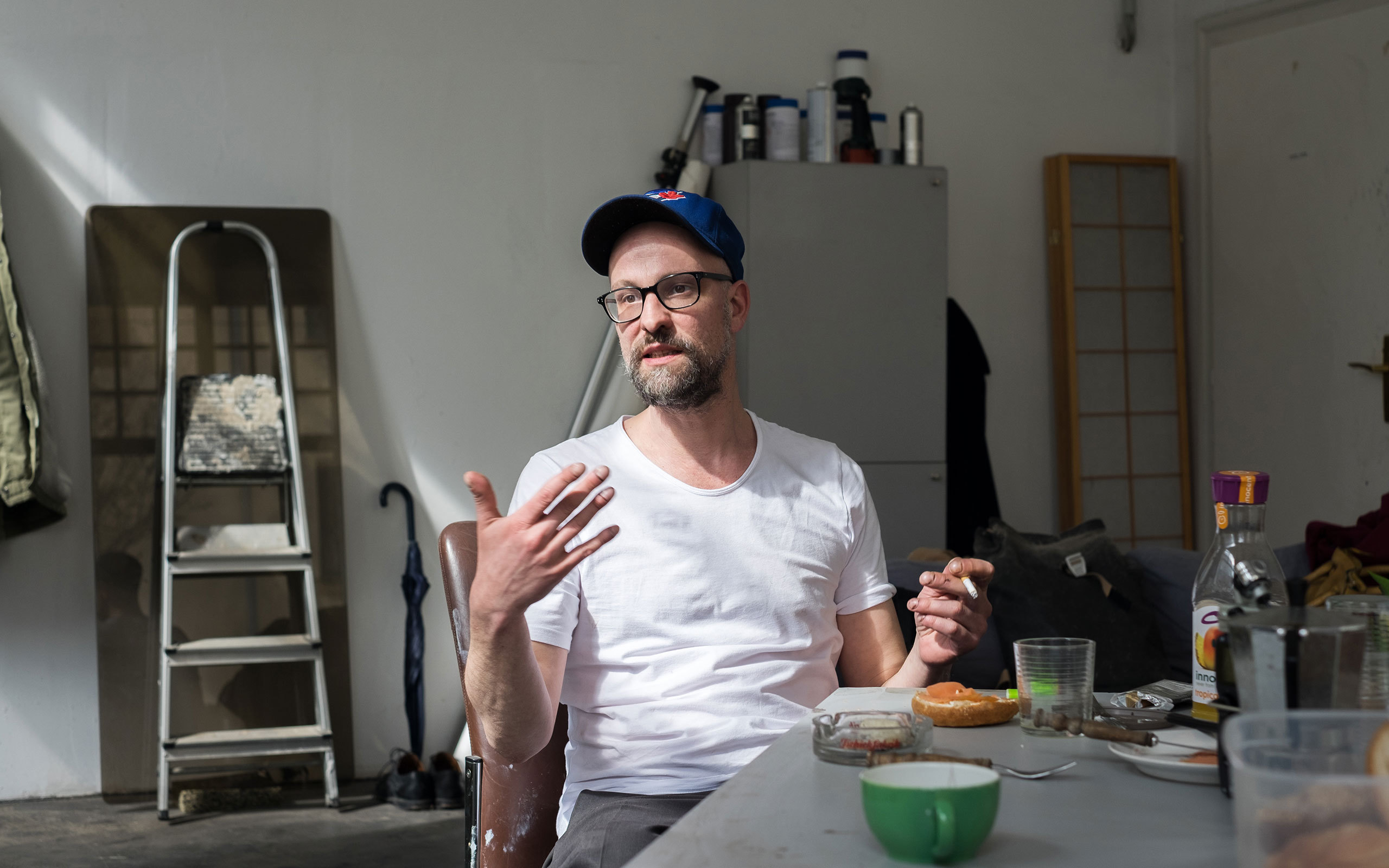
Read our story with Andreas Duscha in this studio.
Links: