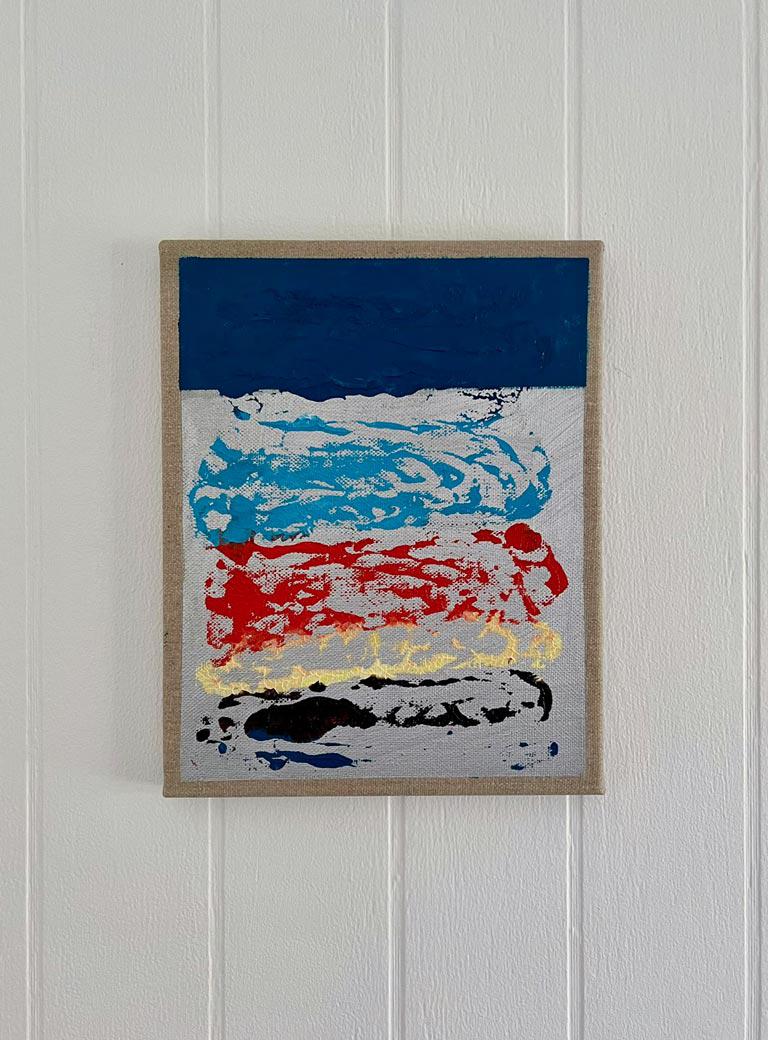
Monotype, pigment, synthetic resin and aluminium on canvas with stretcher frame
30.5 x 24 cm (12 x 9.4 inches)
Series of 10 unique works
2.700 Euro
Includes 13% VAT. Please contact us for shipping options, and for pricing in other currencies.


Monotype, pigment, synthetic resin and aluminium on canvas with stretcher frame
30.5 x 24 cm (12 x 9.4 inches)
Series of 10 unique works
2.700 Euro
Includes 13% VAT. Please contact us for shipping options, and for pricing in other currencies.
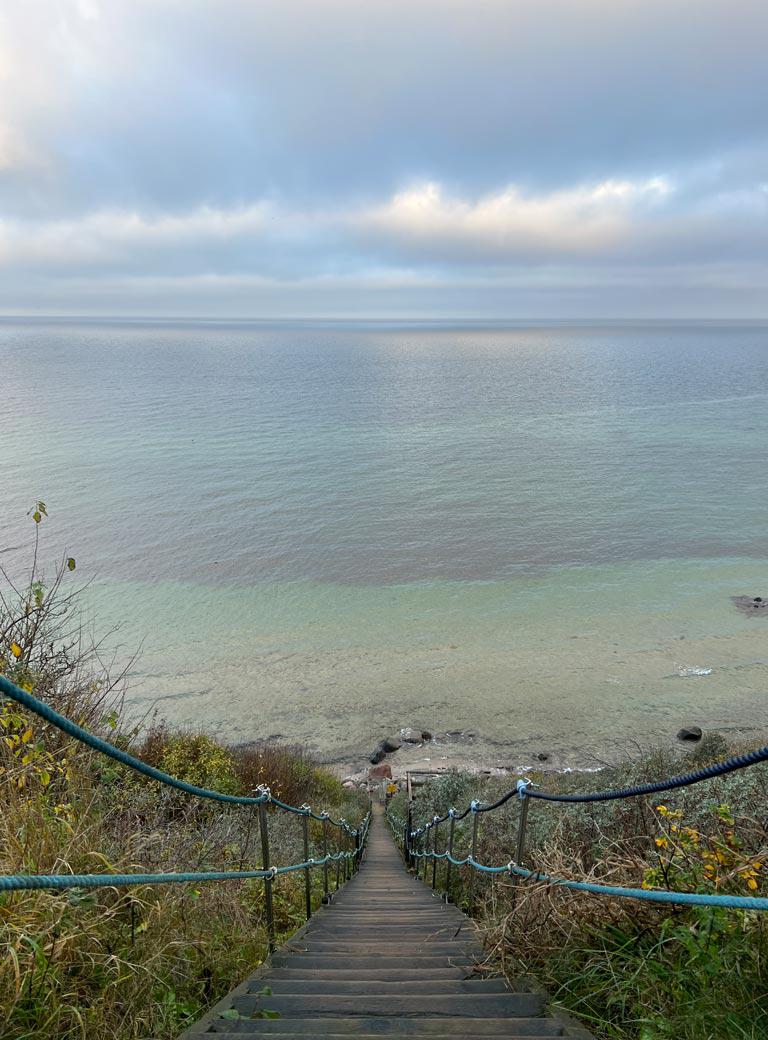
The 10 monotypes were created at a kind of retreat, Fock's studio in Vejby, on the cliffs of the Kattegat, where he works in complete seclusion. Here, between September 2020 and January 2021, during the second Corona wave, he realized for the first time non-objective works on paper, all drawn with his fingers, in which a horizon, light conditions, colors, weather are hinted at. This reduction was also a reaction to the collective and personal feeling of being stuck in a dead end. The "landscape paintings" were about new beginnings, literally letting go of expectations, control, before and after images, knowledge of art history and current discourses.
Fock now transfers this approach to the monotype. The monotype is a graphic process of manual image creation that usually produces only a single print with a watercolor-like effect and painterly effects. It involves pressing a "printing plate" of metal, wood, or other materials, painted or coated with paint or ink, onto a smooth surface. Fock used a flexible printing plate made of canvas stretched on cardboard, which he repeatedly painted and pressed onto identically sized canvases. The decisive factor in this technique is the artist's willingness to relinquish control in some areas. The acceptance of chance and the unpredictability of the final result play a major role in the production of monotypes.
At the same time, Fock made clear conceptual specifications. Each canvas is painted with fields of color that are always the same size, a larger silver area and a narrower area in the upper field, with the color changing in each image. The printing plate was painted gesturally in the same sequence of colors over and over again: Turquoise blue, light blue, red-orange, yellow, dark brown. In the process, minimal color shifts and drying resulted in ever new effects. What remains the same, however, is the "horizon" which, like a border between sea and sky, suggests that this could be a landscape painting.
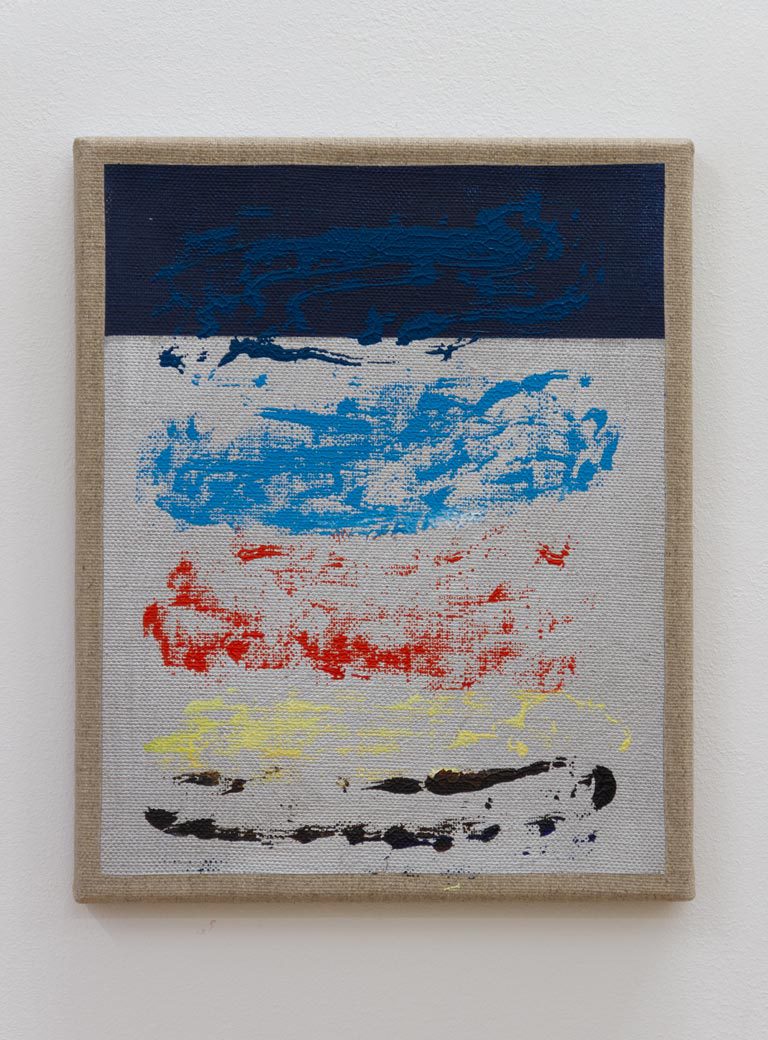
Carsten Fock, Painting And Its Discontents (01), 2022
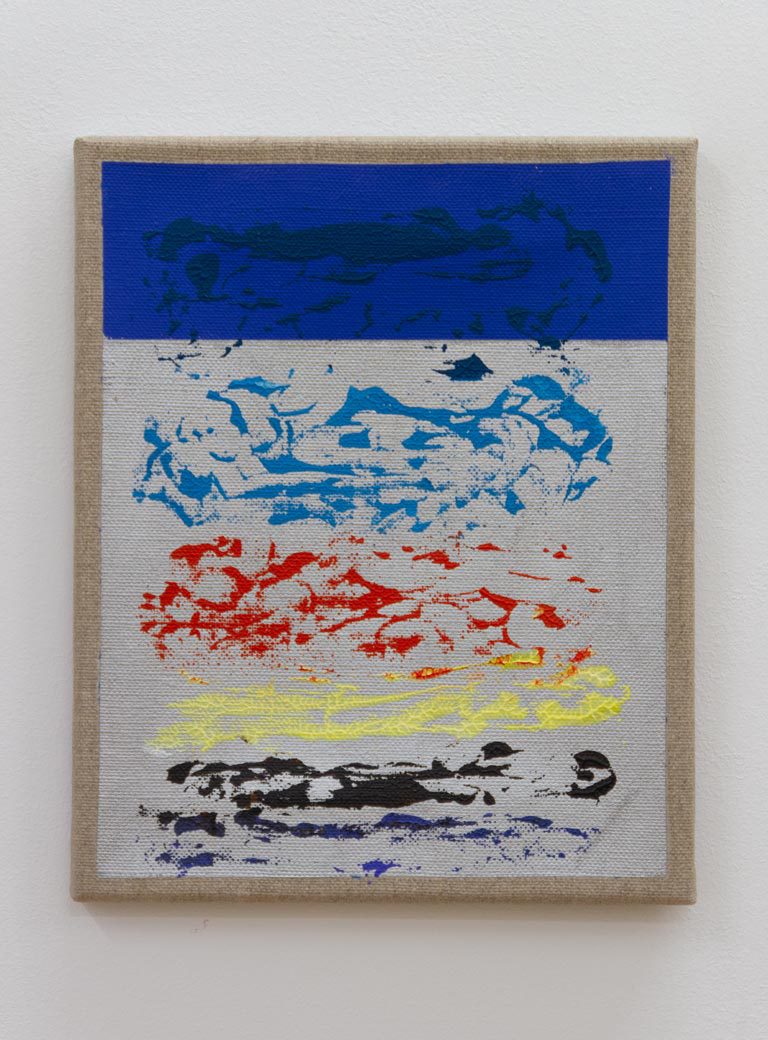
Carsten Fock, Painting And Its Discontents (02), 2022
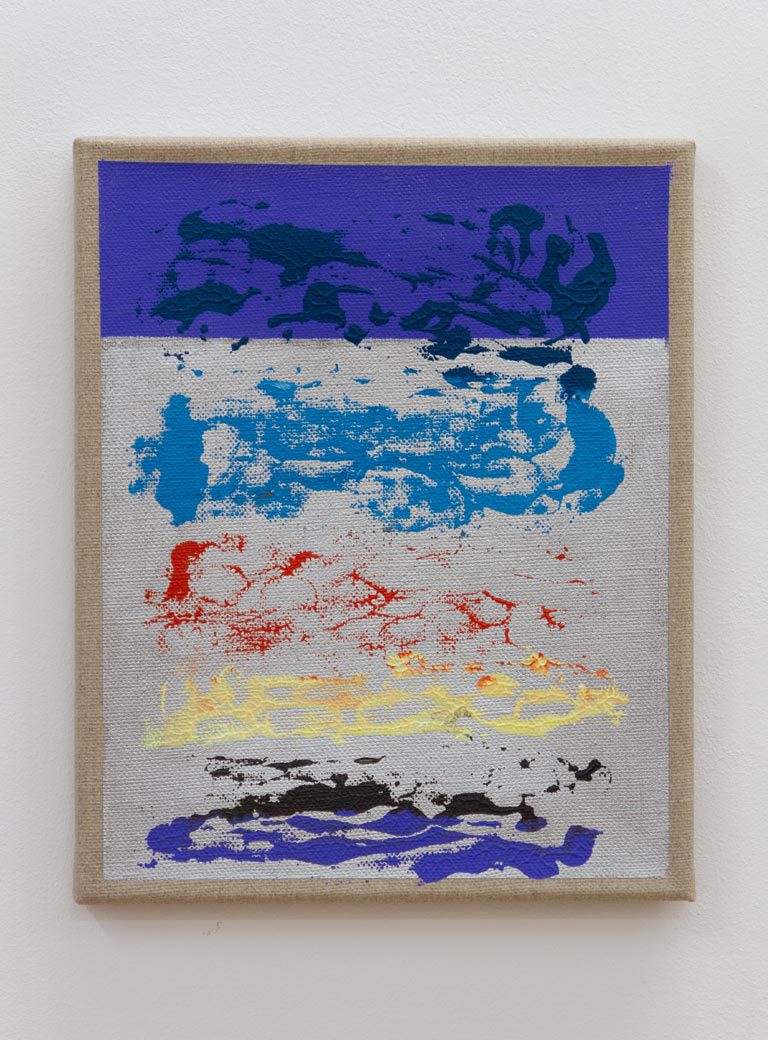
Carsten Fock, Painting And Its Discontents (03), 2022
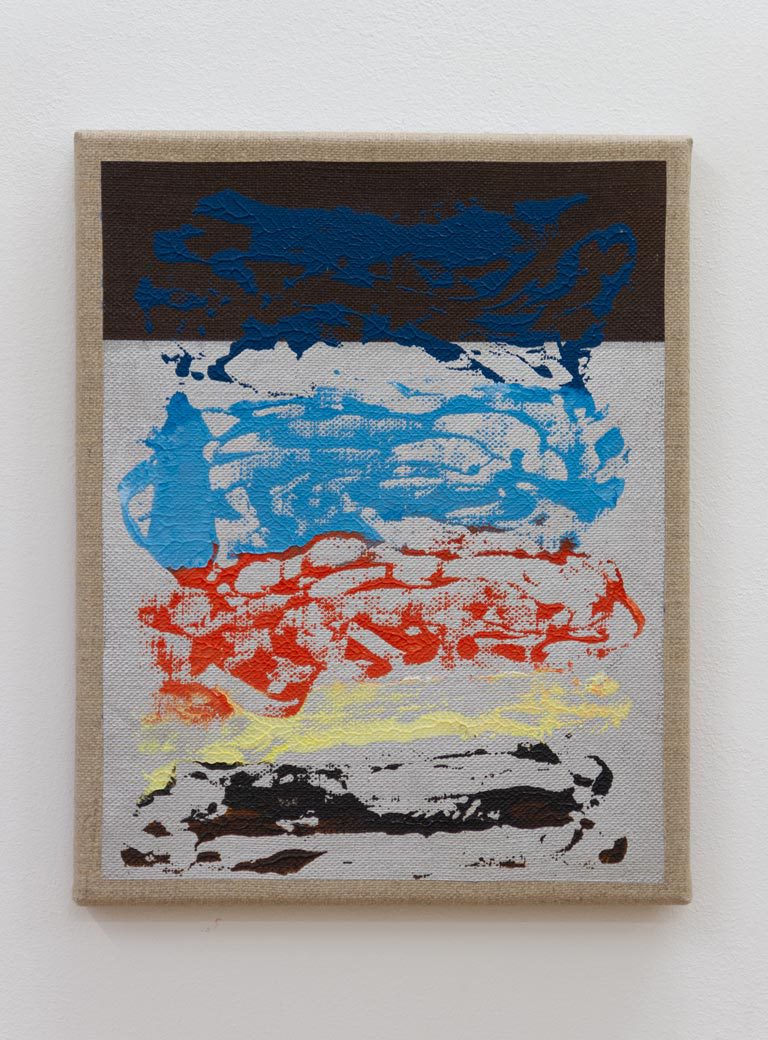
Carsten Fock, Painting And Its Discontents (05), 2022
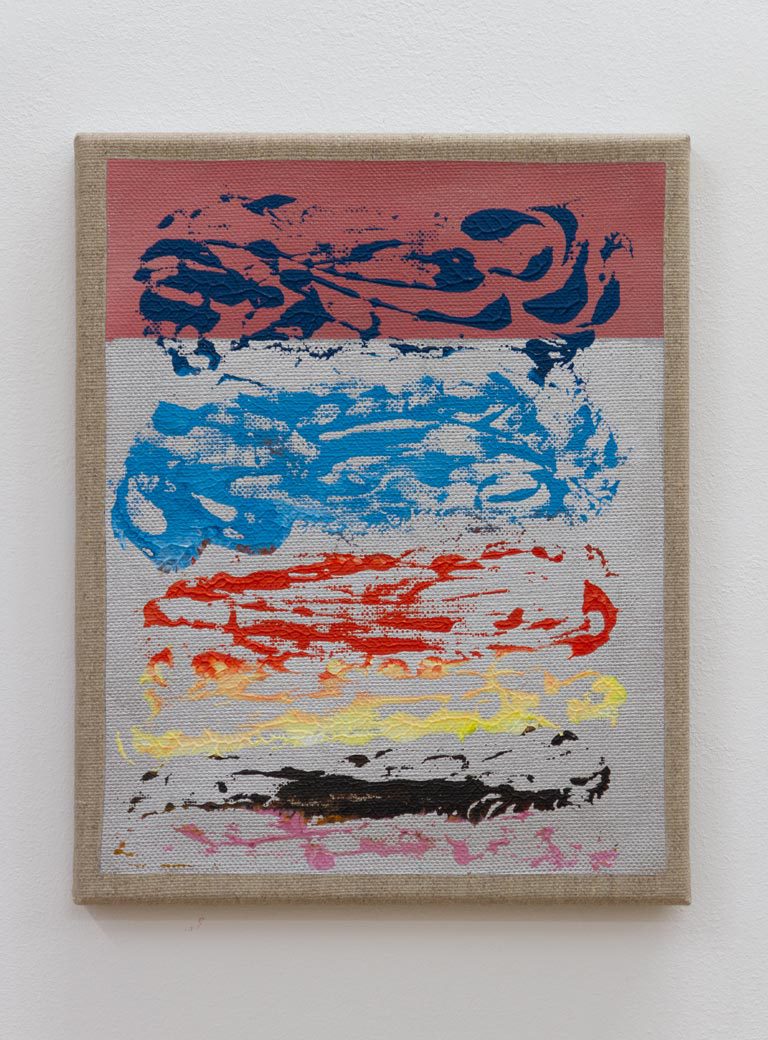
Carsten Fock, Painting And Its Discontents (06), 2022
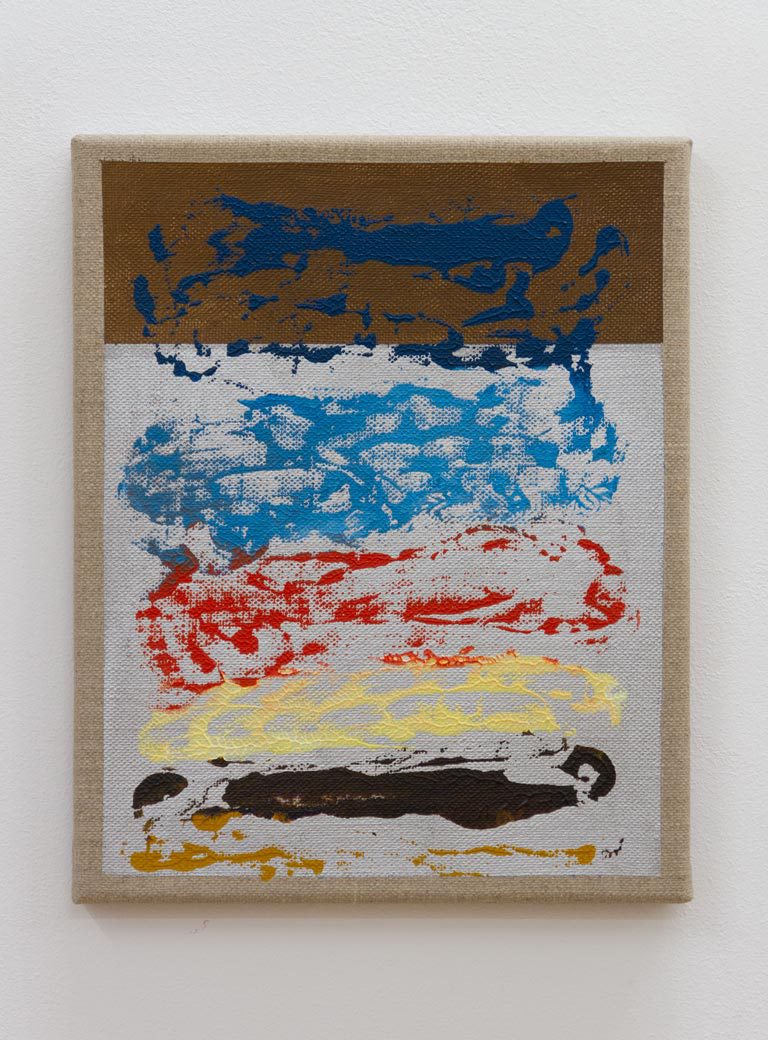
Carsten Fock, Painting And Its Discontents (07), 2022
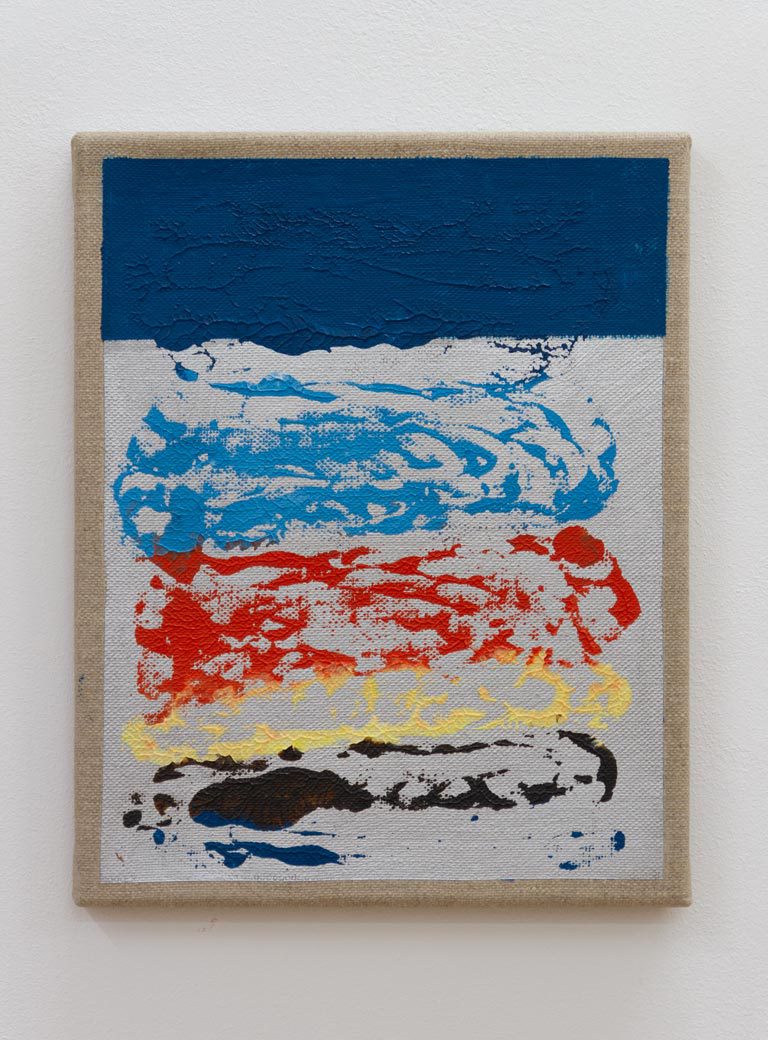
Carsten Fock, Painting And Its Discontents (08), 2022
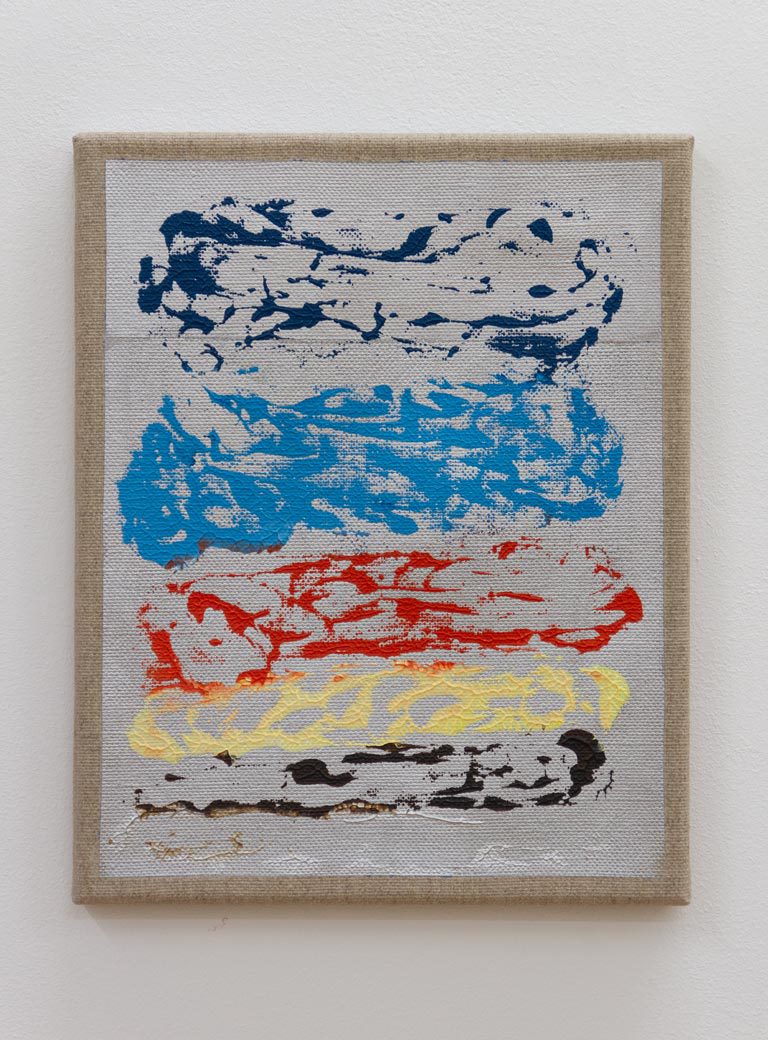
Carsten Fock, Painting And Its Discontents (10), 2022
Carsten Fock, known for his expressive paintings, installations, and felt tip pen drawings, is one of Germany’s most successful contemporary artists. In his drawings and paintings, he combines the media of text and image, mixing motifs from the 19thcentury with visual worlds from today’s pop and popular culture.
The exploration of landscape painting is a central aspect of Fock's artistic work. In his paintings and painting installations, the artist, who grew up in the former GDR and fled to the German Federal Republic in 1988, combined for decades the examination of his own biography and the critical questioning of East-West painting in the divided Germany of the sixties and seventies.
In the process, he repeatedly addressed the ideological role of art and the artist, the power relations that painting represents. It is no coincidence that the color field painting in the current pictures is reminiscent of painters such as Günther Förg or Blinky Palermo. The use of monotype is at the same time a tribute to Fock's teacher Per Kirkeby, who used this technique to deal in particular with the complex perception of nature and spiritual experience.
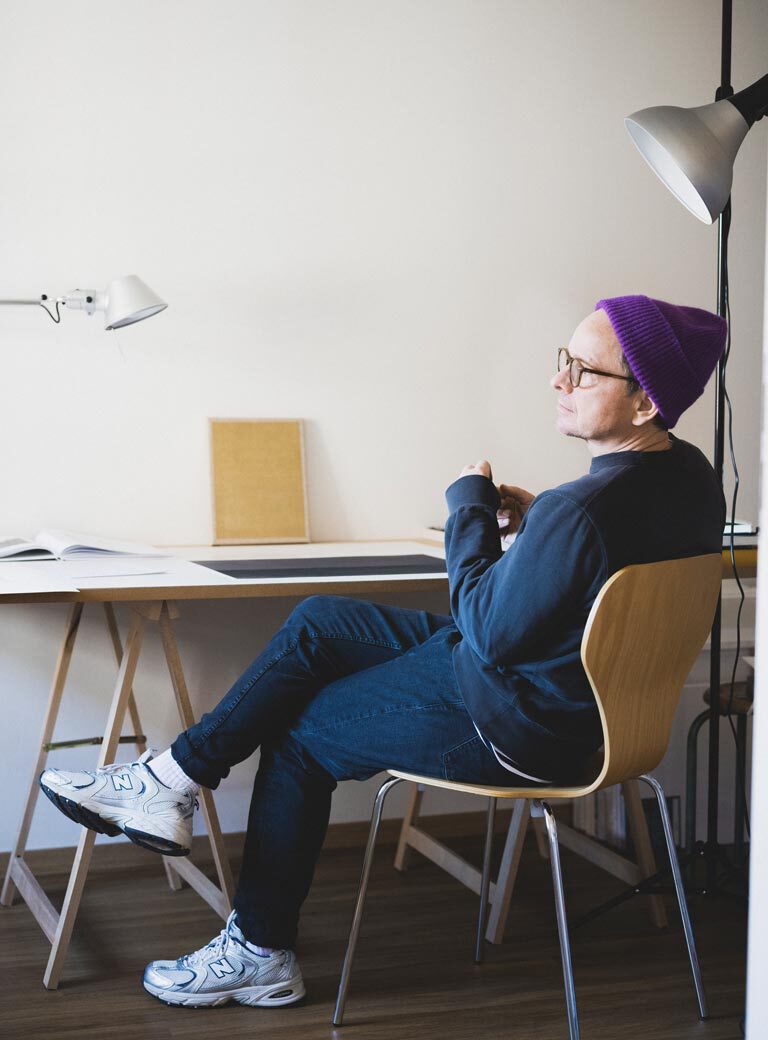
Read our studio story with Carsten Fock.
Texts: Oliver Koerner von Gustorf