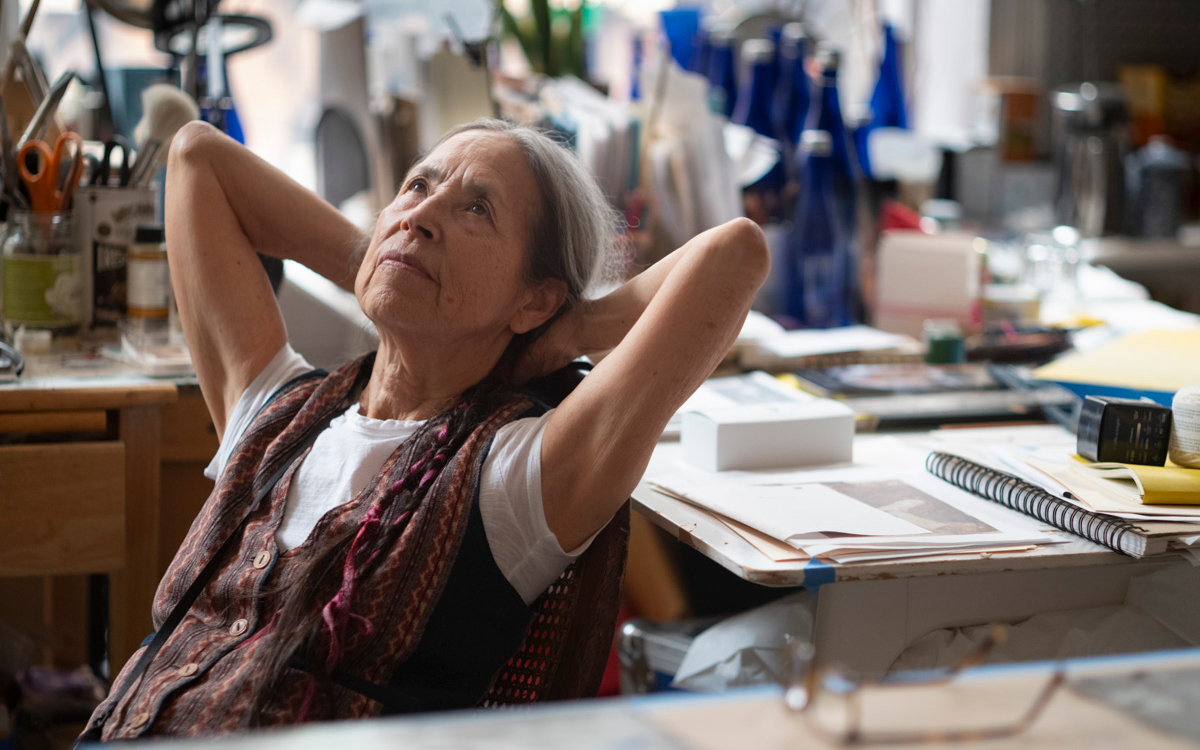
Cecilia Vicuña’s practice moves fluidly between poetry, sculpture, textile, and performance, always returning to what she calls arte precario: an art built from debris, unspun wool, feathers, and stone that she has been making since 1966. Rooted in Indigenous Andean knowledge systems, and above all in the khipu—the knotted cord long dismissed as a mere accounting device—her work reframes precariousness and fragility as forms of consciousness rather than loss. Exiled from Chile after the 1973 coup, Vicuña has lived between London, Bogotá, and New York, carrying questions of extractivism, water rights, and Indigenous knowledge through decades of poetry, performance, and installation, long before these became fashionable subjects in the art world.
Cecilia, did you always know that you wanted to be a poet or an artist, or did that come later? Were painting and writing ever separate ambitions for you?
I never thought I wanted to be a poet or an artist. I just was. My mother says that before I could speak, I was already painting and writing. Before I even knew the alphabet, I was writing with signs, and she was generous enough to give me paper and materials. I was born into a family of artists: both my grandmothers, two of my aunts, and my mother, who was an artist at heart even though her family hadn’t allowed it. She decided this little girl wasn’t going to be stopped. I became aware I was a writer at nine, and by twelve I was writing regularly. It existed in me.
You grew up outside Santiago, in a place called La Florida?
At the time it wasn’t even a town, more a little station in the countryside, almost an hour south of Santiago. Now it lies within the city, because the city has become a giant compared to how it was when I was born.
Was there a particular moment when language, and then image, first felt like something you needed rather than something you simply liked? Was that connected to the place where you grew up?
That’s a foreigner’s question, in a way, because a child simply lives in a world of sound, language, dreams, and images. That’s how I grew up. My family had a very extensive library, so I was acquainted with both the wilderness and the books, and with the studios, because we lived in a compound where my grandmother was a block away and my aunts half a block away, connected by dirt roads or the forest. The notion that people were involved in creating art was something like: you cook, and you make art. It wasn’t an awareness of the significance of language and images as separate from life. You simply lived inside that family.
In the mid-1960s you coined the term “arte precario” for your work. What was missing that made you invent a word for your practice?
My family was completely Eurocentric. My mother’s line was the Indigenous one, but they didn’t know it, because that was considered shameful. Chile is a racist society, and my grandmother died without knowing she was Indigenous. My mother only learned it when I did my DNA test at fifty-six. From the European perspective, art was what you saw in museums and cathedrals. But already in the late nineteenth and early twentieth century, European artists had begun searching for other ways of making art, which they called, at the time, “primitive art.” I had access to those books too, so I knew art existed beyond that description. When I experienced reality in a way that was different from what I found in books, that needed a new name, because what I was living was beyond the past and beyond what was acknowledged as art. My work was concerned with what is misattributed, overlooked; the fragility, the precariousness of our existence, was the awareness that created it. It’s a form of consciousness, of seeing your own seeing—what is now called metacognition.
Can you describe the first precario you ever made?
I’ve told this story countless times. I was seventeen, just out of high school, in the Chilean summer of 1966, waiting to start architecture school in March. On the beach one day, I suddenly felt the wind was feeling me as much as I was feeling it, a reversal of understanding: I was conscious because everything around me was conscious. That was the birth of arte precario. I picked up a stick of debris in the sand, stood it up, and from that gesture began building a small city of basuritas, little pieces of debris, extremely beautiful. As soon as the tide came back, it erased everything. I called that first city Un Pueblo de Altares. I made a version of it in a gallery for the first time in 1990, here in New York, filling the room with sand and building the city from debris found in the streets. Between 1966 and 1990, I kept working on my own.
In 1972 you moved to London to study, and the following year the coup took place in Chile. How did that rupture change the direction of your work?
It changed the direction of my life to begin with. Chile had a democracy going back a hundred and fifty years, and it was all destroyed. My family disbanded, people killed, imprisoned, exiled. It was the end of the world for us. A few months before the coup, I sensed it coming, so I started gathering debris in the streets of London, creating a journal of objects as a kind of prayer to stop it. The work itself took on a greater sense of urgency. In Chile in the sixties, art didn’t need documenting—it needed to be felt, by the ocean, the sun, the wind, by passers-by, and that was enough. After the coup, that changed: you want people to understand that a tragedy has taken place, to be healed through consciousness. It became an awareness of rights—human rights. We lost the right to expression, to print, to publish, to be ourselves. Everything happening globally now, we experienced first in 1973.
What was it like to keep making art in exile, cut off from the place and the people it had been made for and with?
The sorrow was boundless, the grief of the loss so powerful that it had to be expressed and acknowledged, meaning after meaning, as the only way to survive. Luckily, in London at the time, there was a huge community of exiles from all over the world: from failed revolutions in Eastern Europe, Czechoslovakia, Greece, Southern Europe, Africa, Latin America, Asia. It was a hub of people seeking refuge, and it was this community, international and full of artists, writers, and intellectuals, that first acknowledged me as one of them. That helped all of us believe that justice would one day be restored. No one can survive something like that alone; the only way to recover from that kind of social trauma is by joining with people who have the generosity to stay, to grow the journey with you.
When did New York enter your life, and how does your relationship to that city differ from your relationship to the place you come from?
I was in London for three years. I could have stayed, since I was given asylum, but I felt Europe wasn’t the future. Friends invited me to Colombia, the only Latin American country without a military dictatorship at the time, and I stayed there for five years. While I was there, an American poet came to perform in Bogotá and invited me to the US. That’s how I landed here, in 1980. I was only meant to stay a few days, but I met someone who said, “Let’s get married, so that you won’t have to leave.” And that’s what I did.
You’ve described the khipu as a poem in space. What does it mean to think in knots rather than in sentences?
It means your hands carry a knowledge directly connected to your heart-mind—as the Chinese would say, since in many Asian cultures mind and heart aren’t separate. It’s dangerous that we split them in the West; look at the world now: vanity, greed, selfishness ruling as a result. Thinking with your hands isn’t the regular Western kind; it’s a tactile knowing that’s limitless, because our hands carry the whole span of human history. They connect directly to parts of the brain and sensitivity beyond the rational, where the rational and non-rational, the linear and non-linear, can meet. Whatever I learned from the khipu, I learned by doing khipus, not from books—khipus are a field of knowledge five thousand years old, available to whoever begins to work with it.
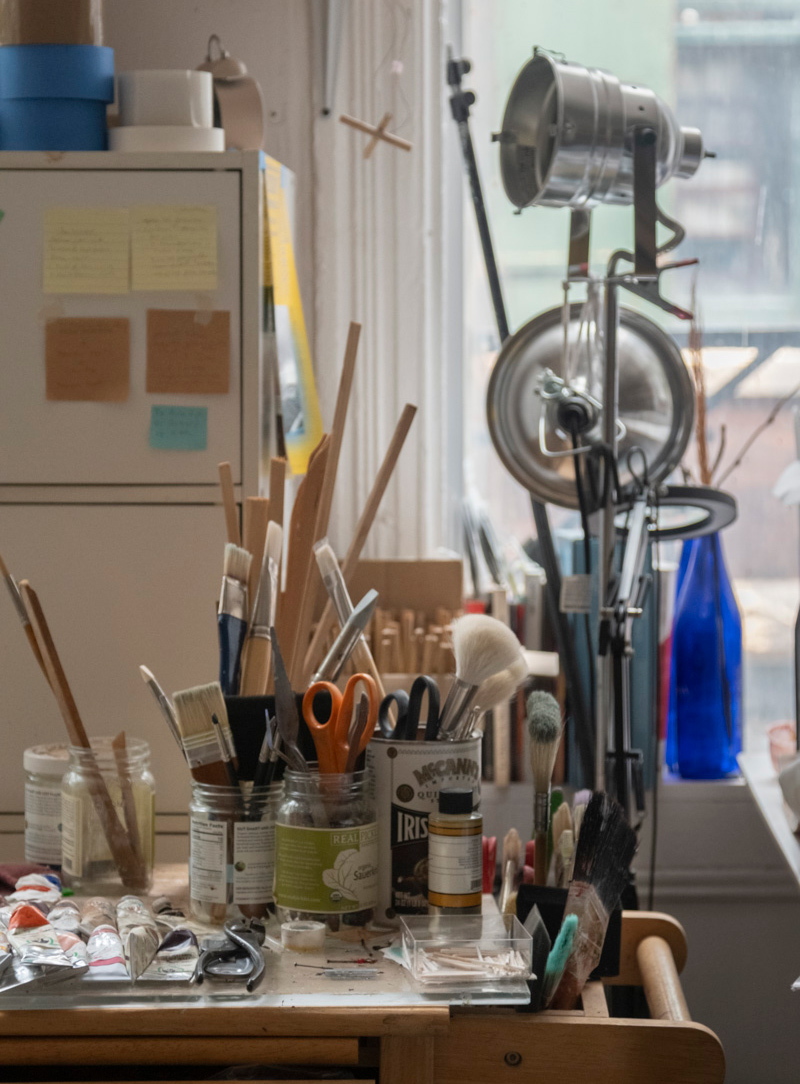
What draws you to materials like unspun wool, feather, stone, debris—things that are fragile, provisional, almost ready to disappear?
Exactly that. To me, beauty is the expression of that edge where something living is about to lose its shape, as if it were saying goodbye. I hear that goodbye, I feel it, and it moves my heart and soul; I consider that edge to be beauty itself. Something disappearing even as you touch it—like a cloud you look at, and it moves away.
Is the precario meant to be lost in the end?
Lost, and never lost, because it’s a relationship, and quantum physics now says the only thing that truly endures is the quality of a relationship. If you love someone and they die, your love doesn’t. That’s what the precarios give you: the feeling remains, even if the object disappears. Other people can feel it too; that is the wonder. I didn’t think of it consciously; I simply noticed I was feeling it, and respected that. We’re taught to disregard extraordinary feelings, but the khipu didn’t—it followed them, the way you follow the smell of bread being baked.
Why does so much of your work need to be spoken aloud or performed rather than only seen?
I wouldn’t say it needs to be. It happens, which is different. My poetry was censored in Chile for more than forty years, because there was no room for a woman’s mind, a woman’s spirit, a woman’s knowledge. In London, I was invited to speak to unions and art schools, and I realized I was an oral speaker: I didn’t write down what I was going to say, I improvised in the moment, and that had a powerful resonance I came to respect. In time, that became my poetry performance; song appeared; recordings and transcriptions followed. So, in truth, I am an oral poet. I also write, of course—I do both, and I don’t deny one for the other.
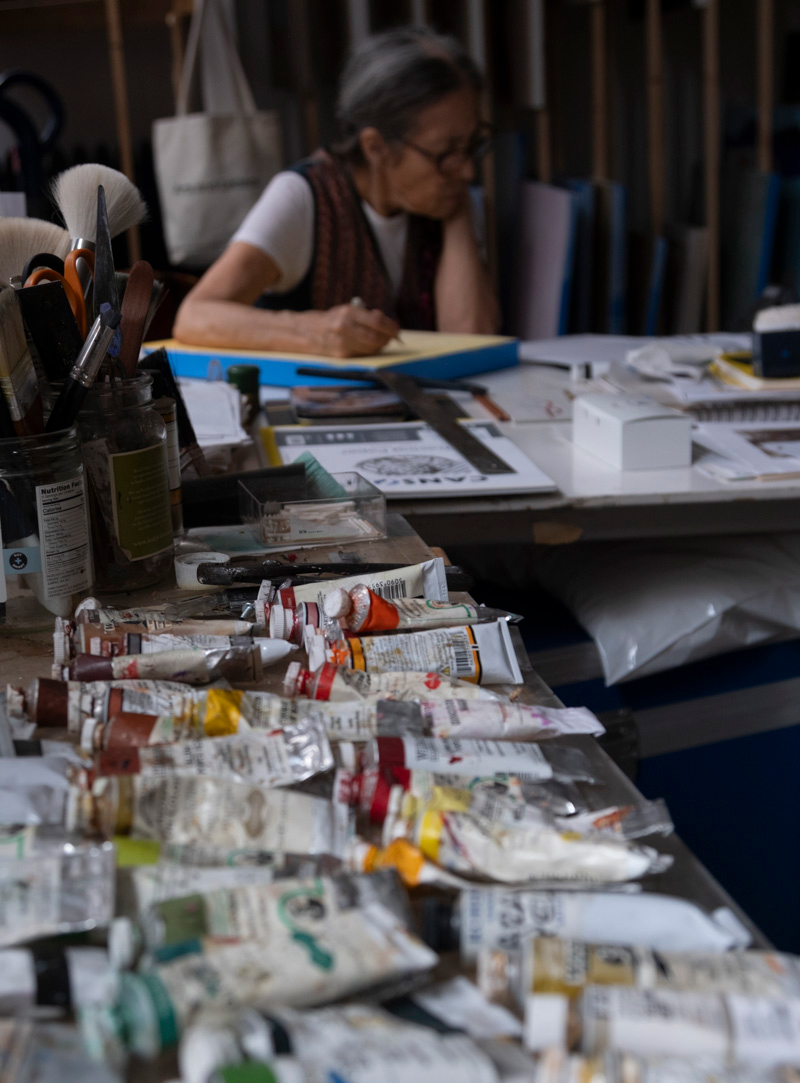
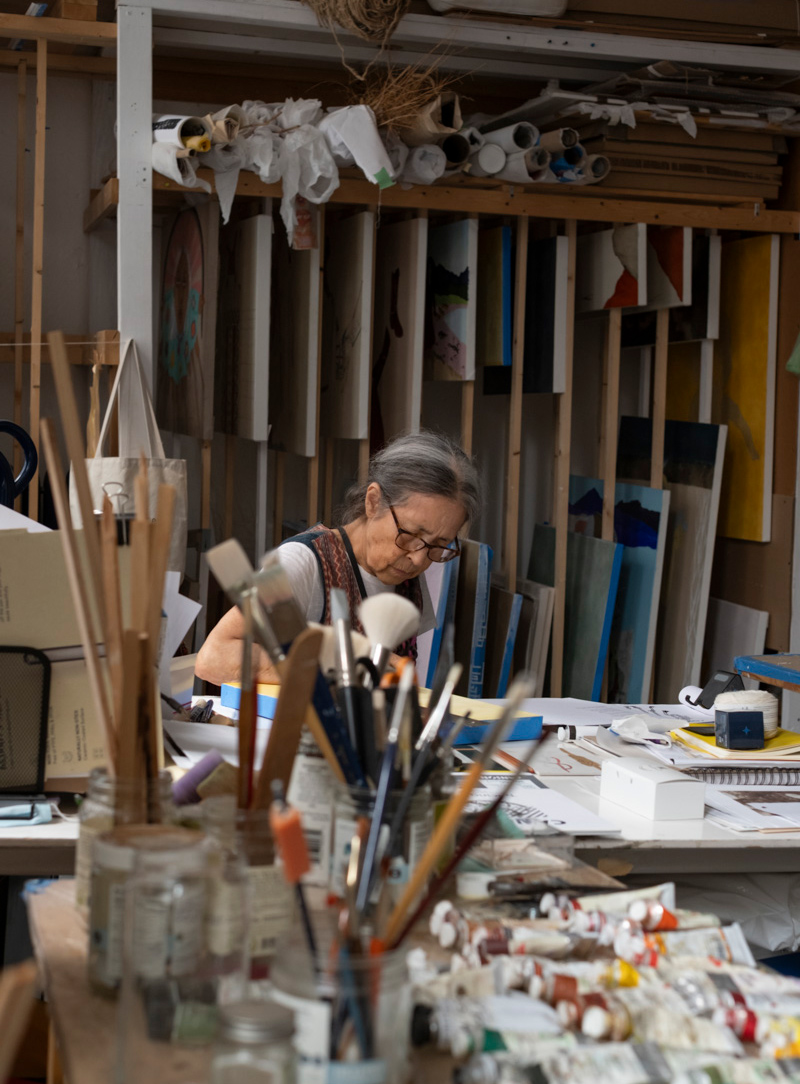
You’ve spoken about extractivism, water rights, and Indigenous knowledge for decades, long before they became fashionable subjects in the art world. Do you think anything has actually changed, watching institutions catch up on these topics now?
The level of destruction has intensified to such a degree that, in Latin America, we’ve lost ninety percent of the species we had before extractivism began. Ninety percent. And the velocity of destruction is increasing. So does it actually help, to have institutions acknowledging this now? The push to destroy is in power now; universities and museums are being disempowered, silenced; financial support for art and culture is disappearing worldwide. It’s as if there were a move to eliminate human consciousness itself—a very violent reality we are living in.
What would new forms of creativity look like, in response to that?
I think the human response will have to be new forms of creativity that counter destruction with devotion, dedication, and true commitment to life and to the richness of biodiversity. I hope that’s true. Khipu is one example: many years ago, perhaps thirty years ago, I began creating living khipus—khipus that are not objects but people woven together, woven with the ocean, the river, the forest, with each other. That is a form of new creativity, and I see many such forms emerging everywhere, in Africa, Latin America, Europe. People are remembering ancestral ways that liberate them from being manipulated, from having ideas imposed on them—liberating people to see and think their own thoughts. That is the case now.
How would you describe your practice, in your own words, to someone who has never seen a precario or heard or read anything about you?
I’m often asked that, and I say “I do absolutely nothing”—which intrigues people enough, because it’s true. I invite people to do this or that, or I invite the waves of the sea; I collaborate with my own imagination and with the imagination of others, and things begin to happen.
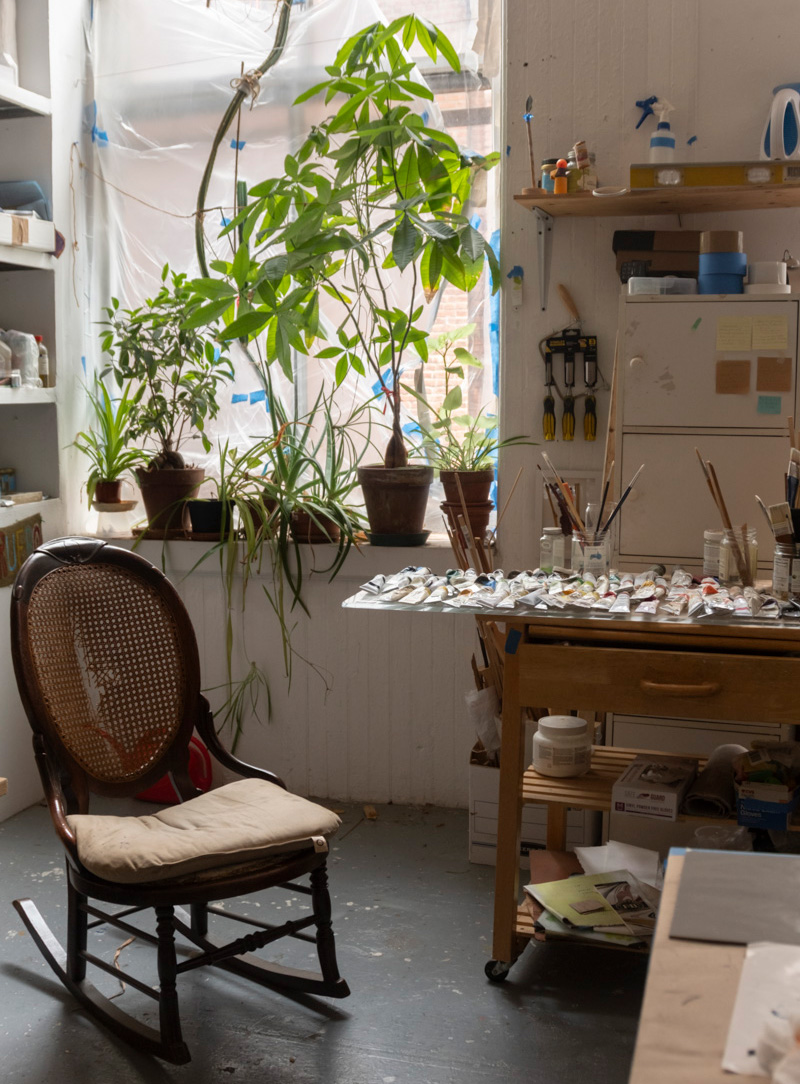
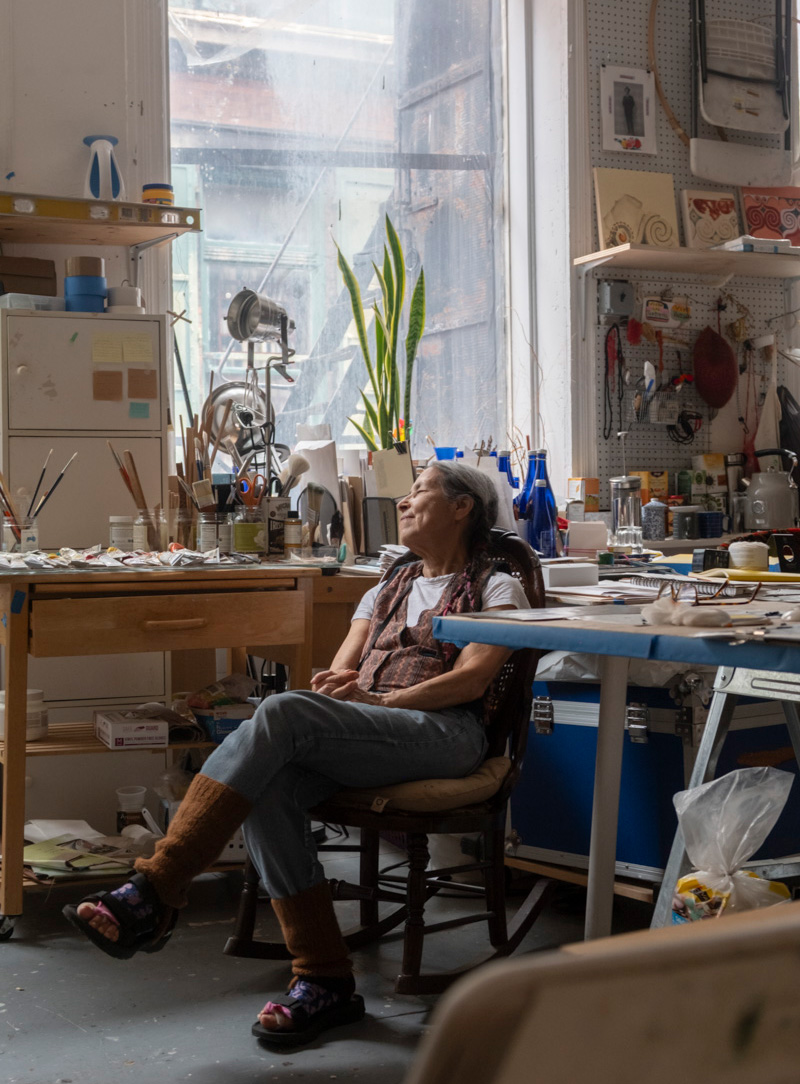
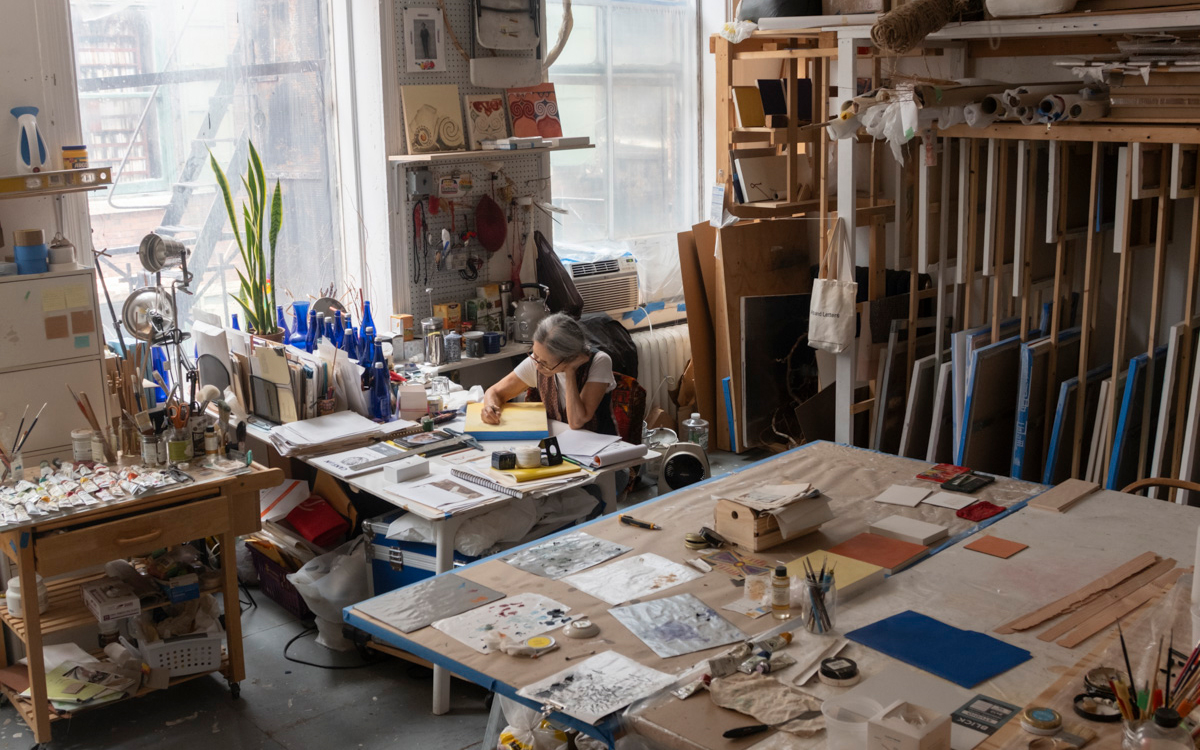
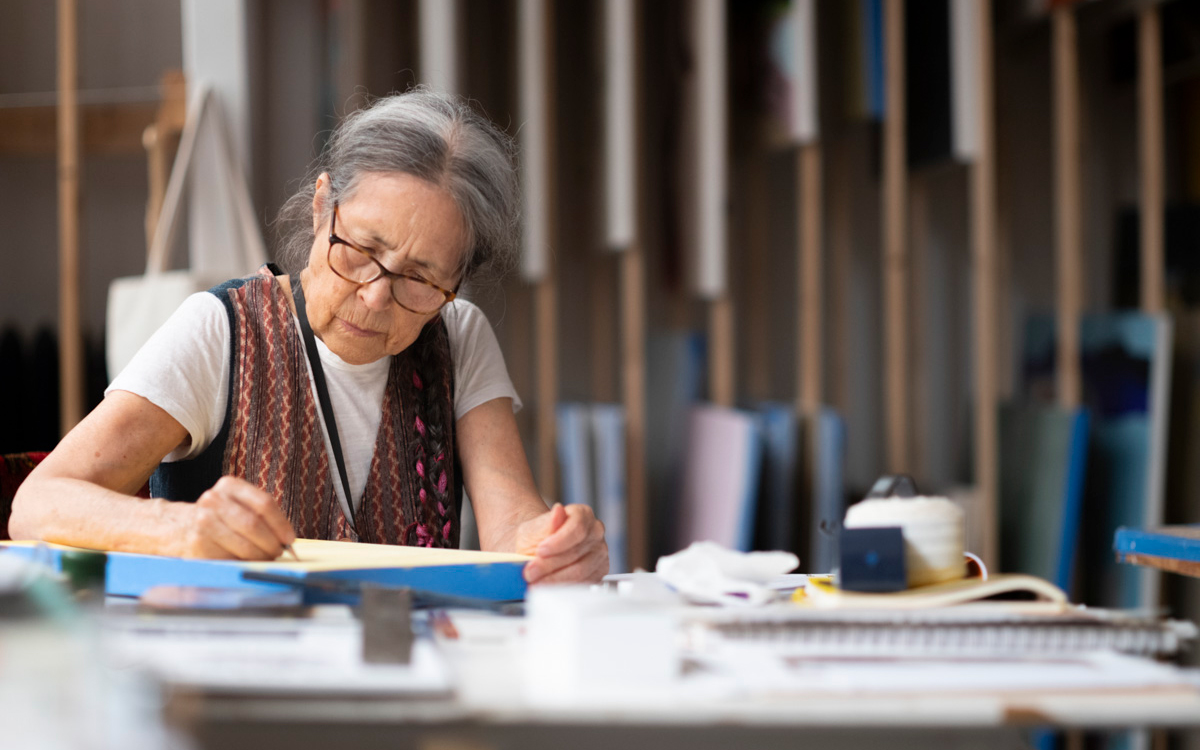
What does a typical studio day look like for you?
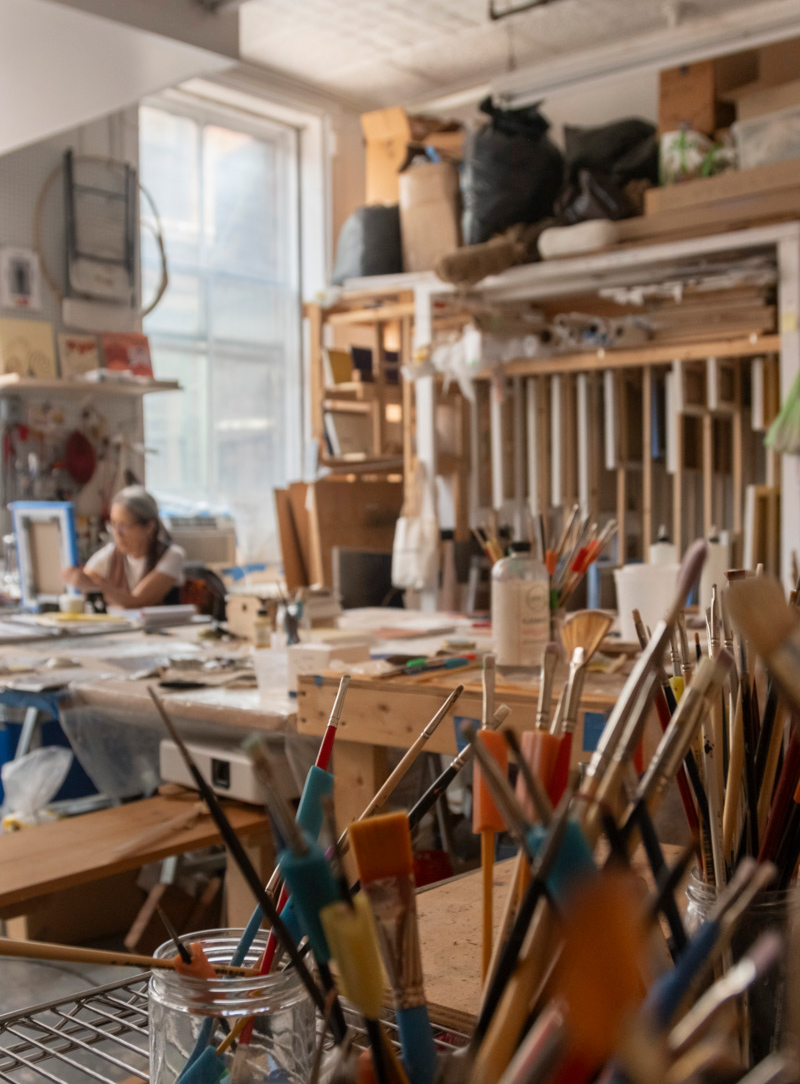
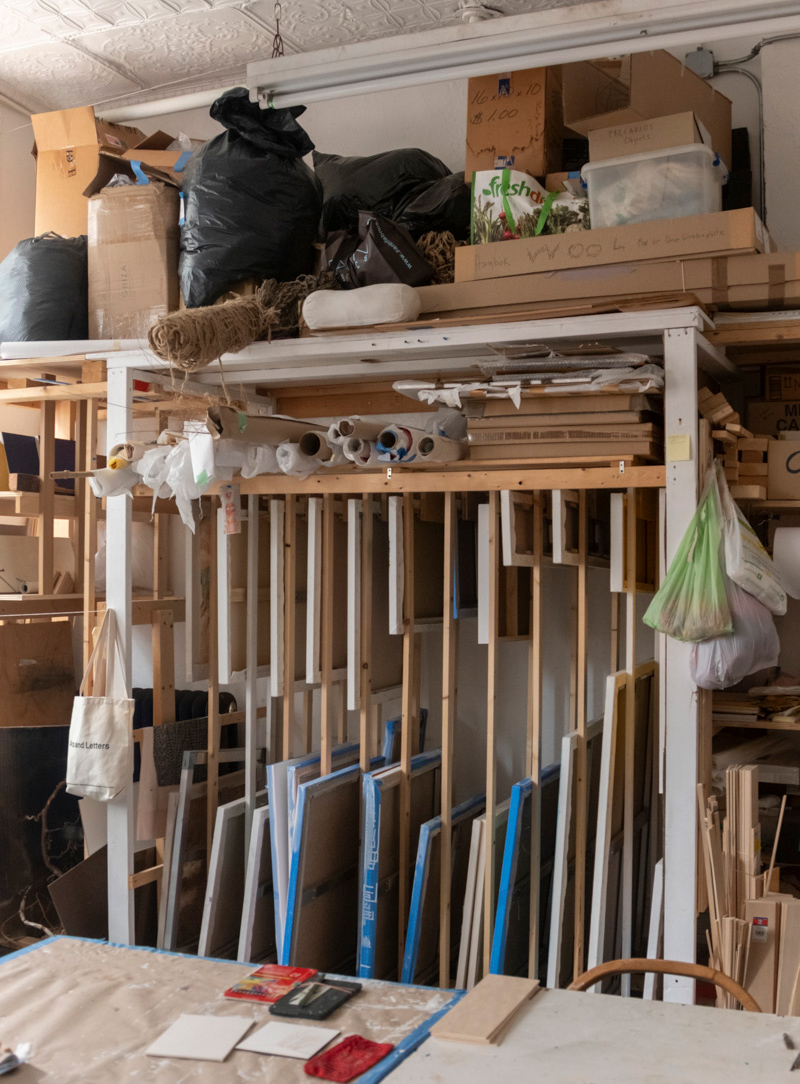
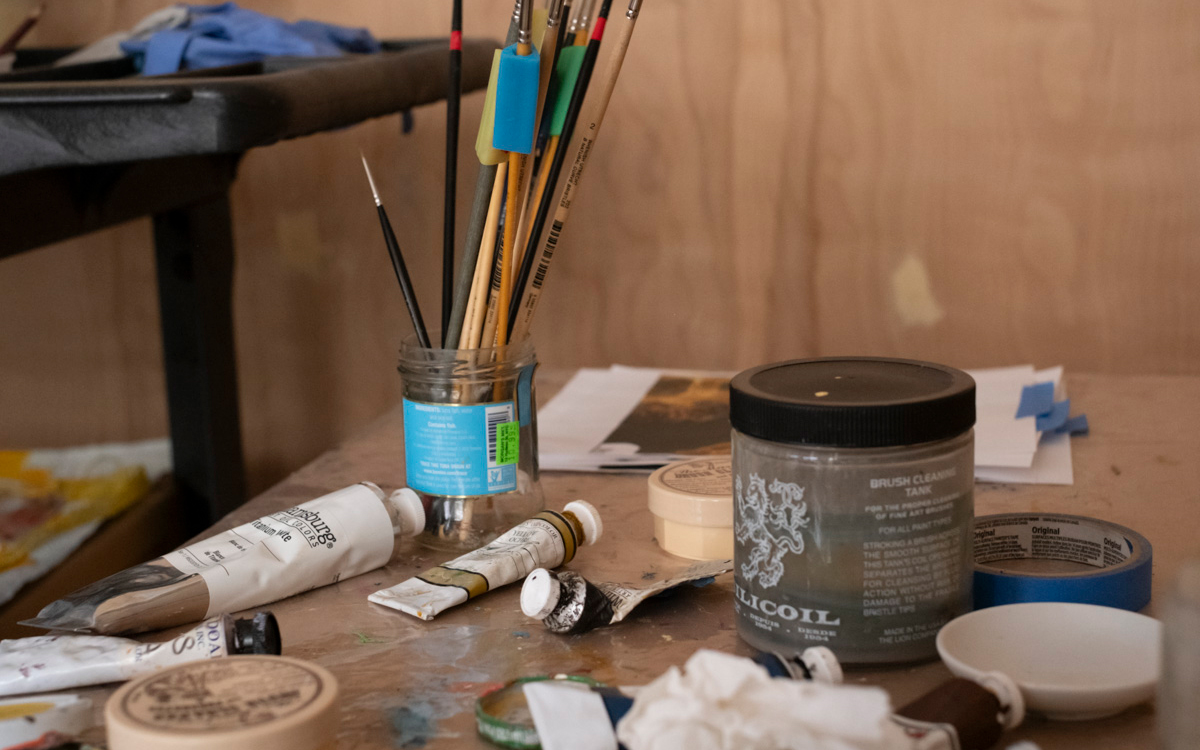
There isn’t such a thing. Reality itself was my studio; a room, a street, a beach, even a bus. A studio is really your imagination, and your imagination never dies. So a typical studio day is me stepping outside, looking, seeing the light, and that’s the beginning. My process happens through engaging with the outside world, but not only—the inner world is infinite too, and both are interrelated. The deeper you go into your inner world, the more beautiful the outer world seems, even when people are selfish and egotistical. When I step onto the street in New York, I usually get a response from dogs or babies—they aren’t polluted yet, and they can sense your thoughts and feelings.
You have several major shows opening this year. Where will these projects take place, and what ties them together for you at this moment?
In the fall I’ll have three shows. The first is at Whitechapel Art Gallery in London, revisiting my life there in the seventies and how my work has developed since. The second is at Dumbarton Oaks in Washington, DC, a museum of ancient art with a beautiful khipu collection, tracing my own relationship to the khipu after more than fifty years of making them. The third grew out of an award I received two years ago, the Eric and Wendy Schmidt Art and Ecology Award, which asked me to present a project: “The Dream of Water.” Water is disappearing around the world, and I’ve always worked with it, so I’m calling on people to dream water back into existence through the Quipu de Encuentros, a living khipu in which many take a poetic action for the whole. I’m doing that in the Atacama Desert, the most beautiful place on Earth, devastated by ruthless mining.
After everything you’ve been through in your career, what would you want to say to a young poet or artist just starting out?
Don’t lose faith that it is possible to be human in an inhuman world.
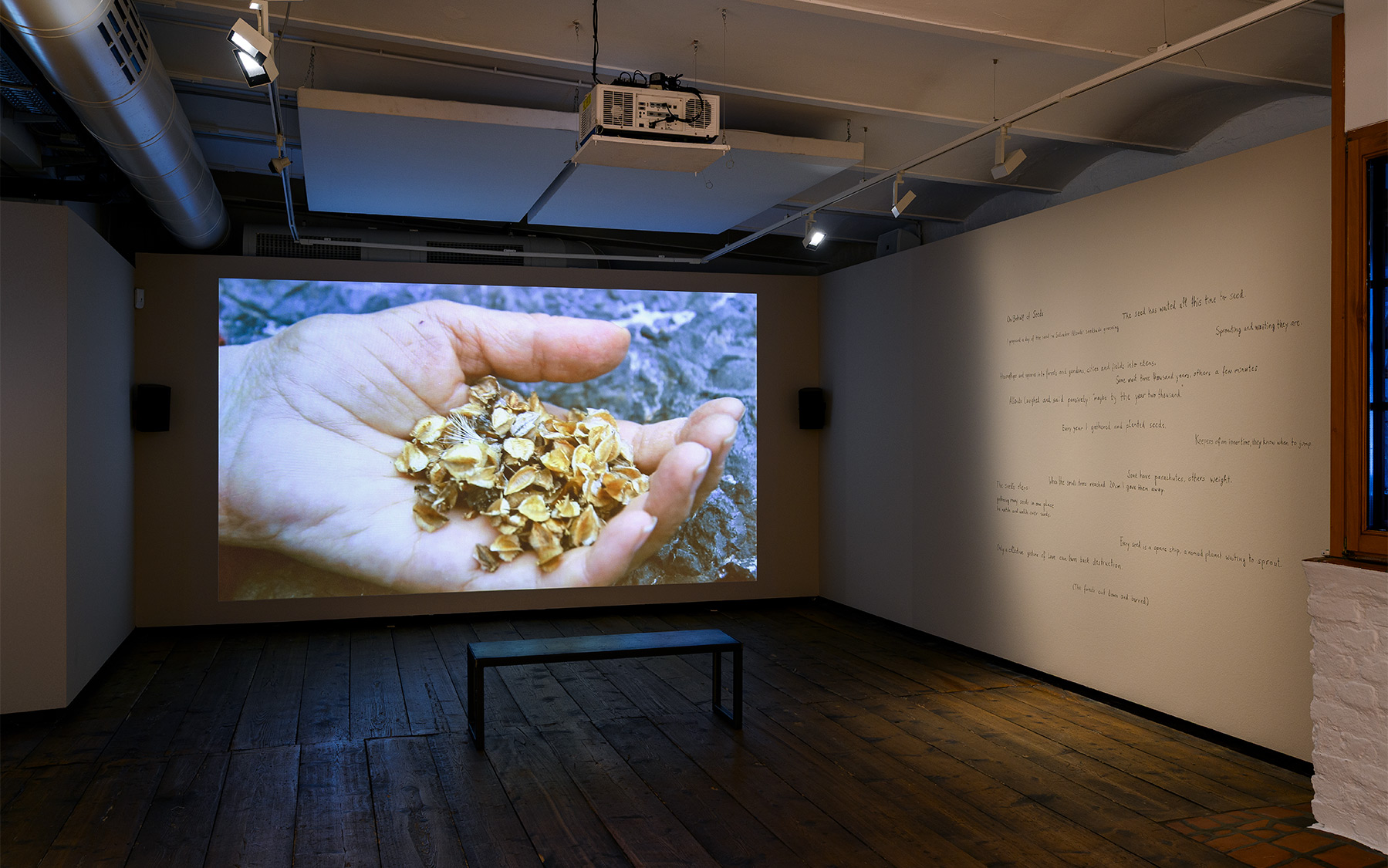
Cecilia Vicuña, Semiya (Seed Song), 2015, filmstill, exhibition view Seeds. Reclaiming Roots. Sowing Futures, 2026, KunstHausWien, photo: Iris Ranzinger; Courtesy: Cecilia Vicuña, Electronic Arts Intermix (EAI), New York © Cecilia Vicuña, Bildrecht Wien / Vienna 2026
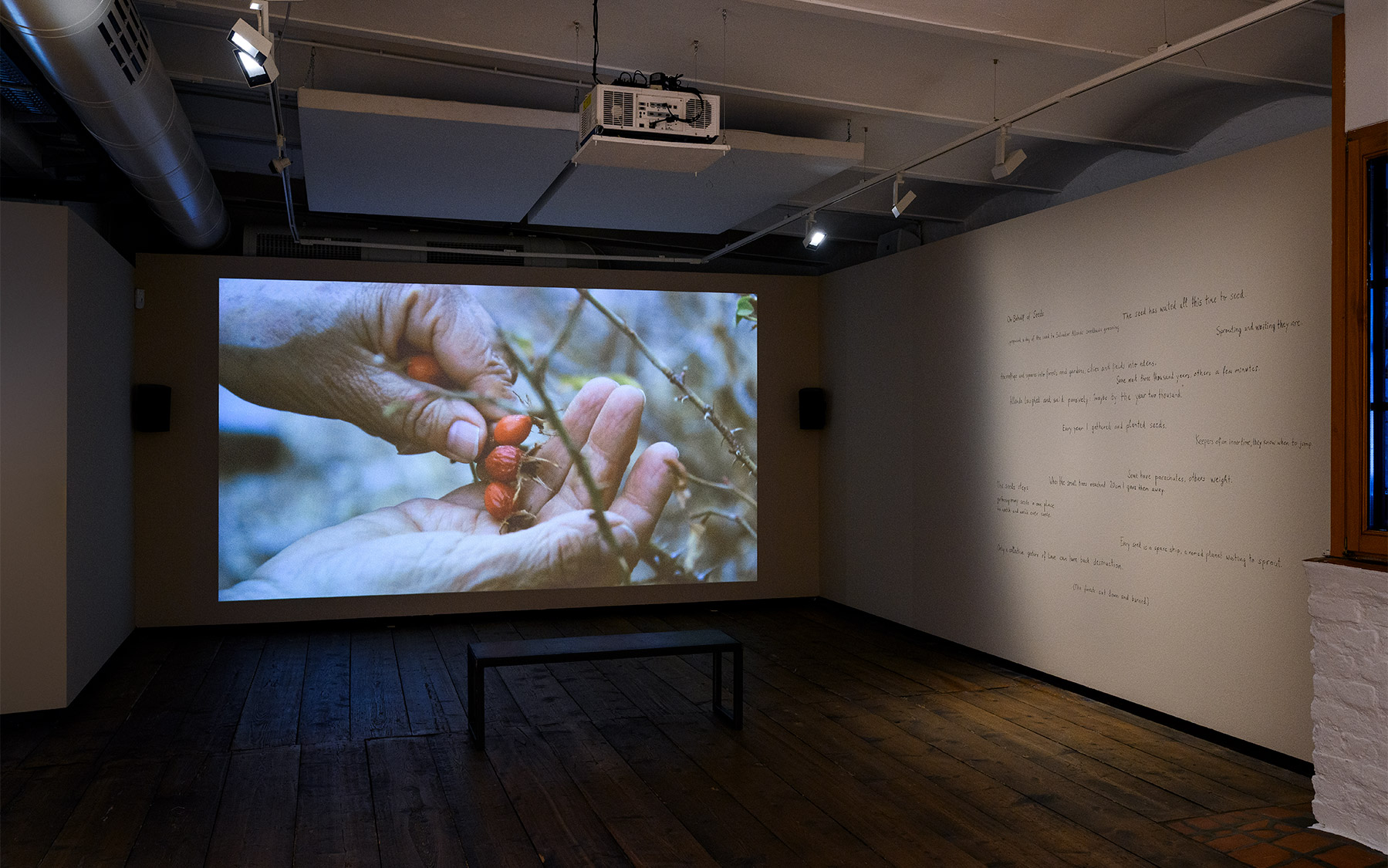
Cecilia Vicuña, Semiya (Seed Song), 2015, filmstill, exhibition view Seeds. Reclaiming Roots. Sowing Futures, 2026, KunstHausWien, photo: Iris Ranzinger; Courtesy: Cecilia Vicuña, Electronic Arts Intermix (EAI), New York © Cecilia Vicuña, Bildrecht Wien / Vienna 2026
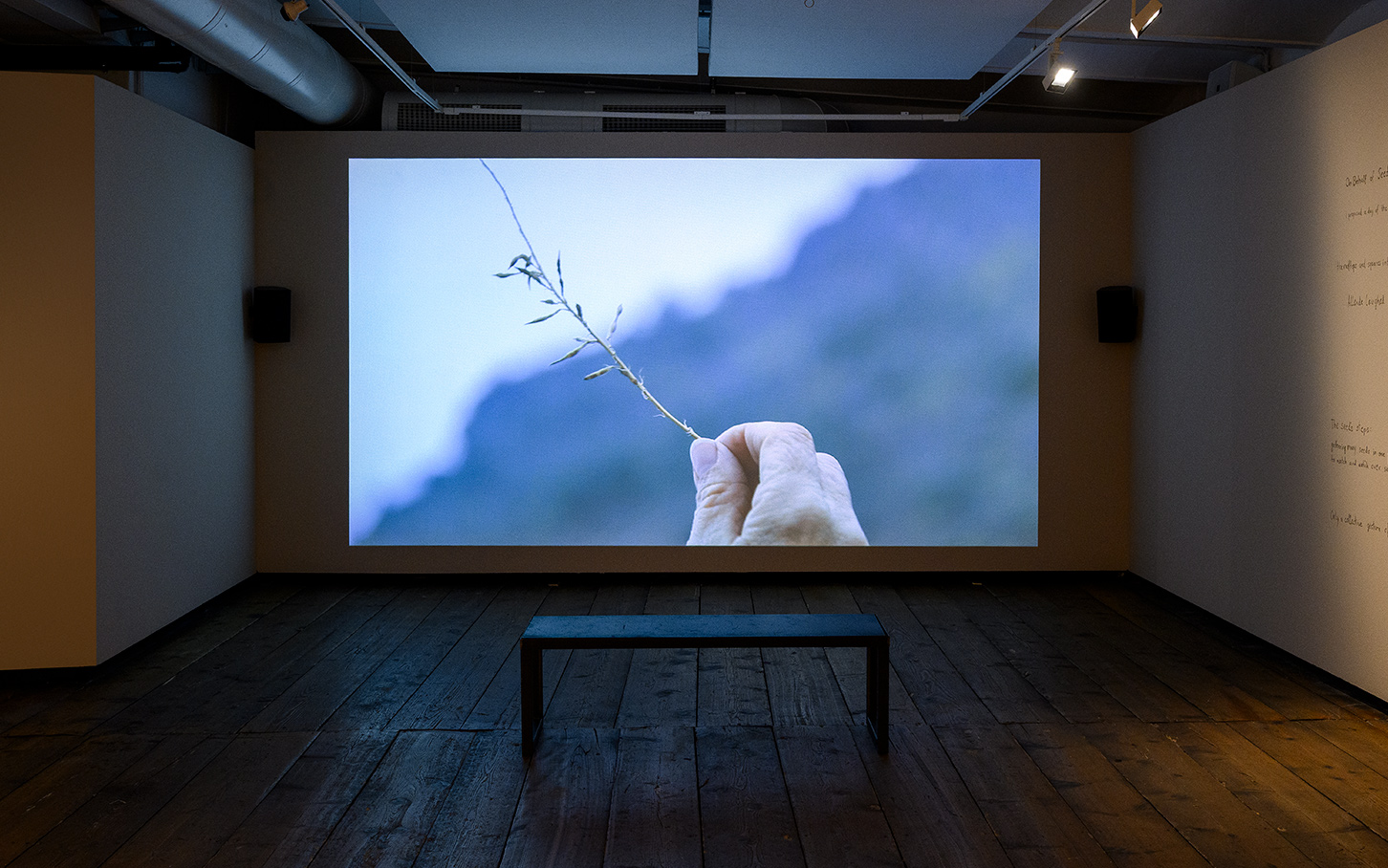
Cecilia Vicuña, Semiya (Seed Song), 2015, filmstill, exhibition view Seeds. Reclaiming Roots. Sowing Futures, 2026, KunstHausWien, photo: Iris Ranzinger; Courtesy: Cecilia Vicuña, Electronic Arts Intermix (EAI), New York © Cecilia Vicuña, Bildrecht Wien / Vienna 2026
Text: Livia Klein
Photos: Adrianna Ault