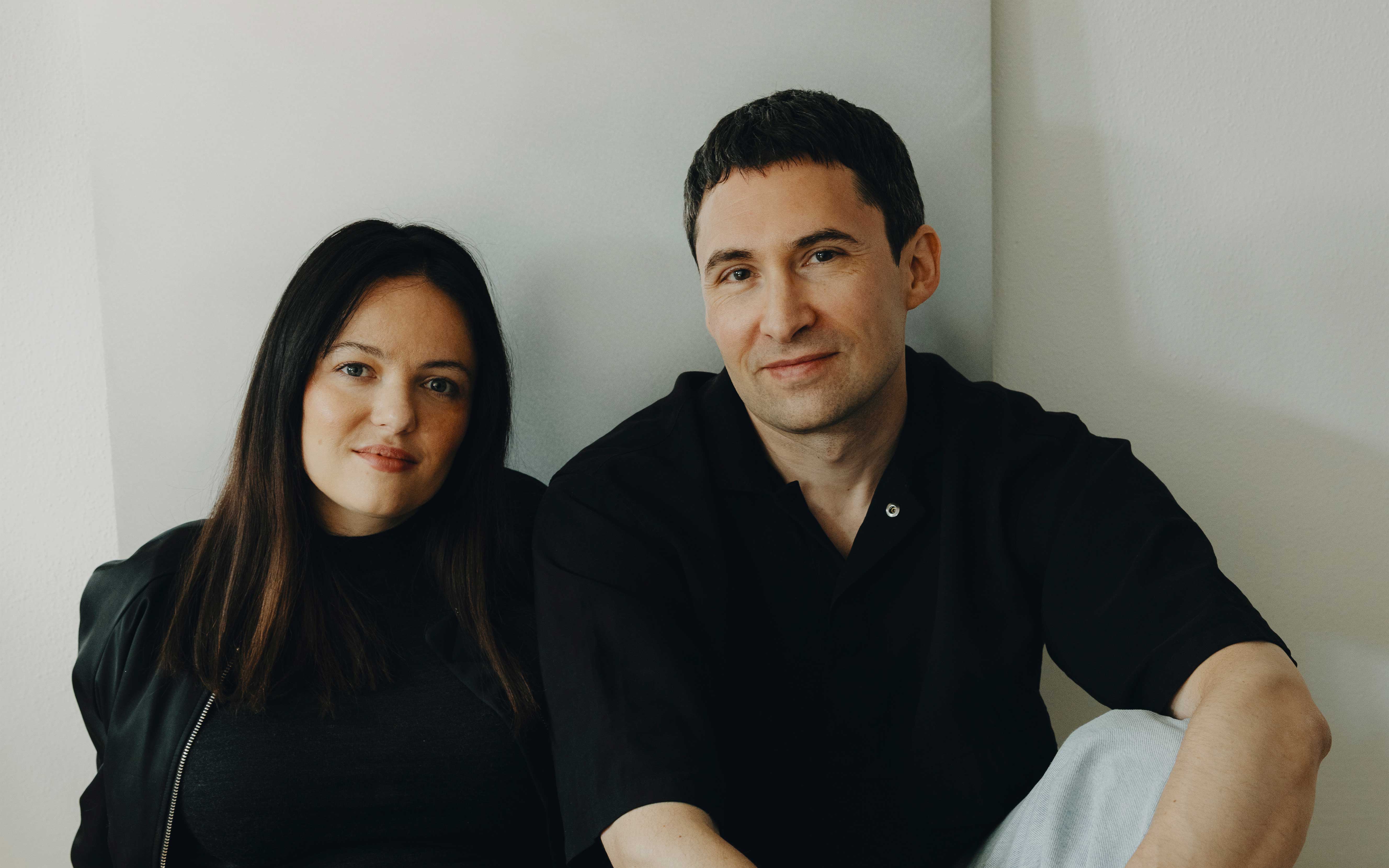
For many, artificial intelligence represents unpredictability and chaos. Nastassja Abel and Christian Otto are drawn to exactly that. Through their studio SERIFA, they embrace new technologies as tools for exploration, using generative processes and visual systems to create work that moves between art and design. For the past four years, they have produced mysterious, ambient works every day. Rather than seeking control, they work within the unknown—allowing each iteration to open up new directions.
Christian, Nastassja, how would you frame your practice for a first-time viewer?
C: We create experimental visual work using new technologies, with AI playing a major role. It’s a kind of mixed media practice, as we combine a range of tools and techniques. Most often, human figures are at the centre of our work, but they are not always clearly defined—they might dissolve, blur, or become abstract.
N: We really like working with chaos. We’re not into this kind of polished, perfect beauty that appeals to everyone. We’re more drawn to small imperfections—those little ‘mistakes’ that make things feel more unique and unexpected. That is the direction we like to explore.
Where does your fascination with abstraction and the unclear come from?
N: When I was five or six years old, I was drawn to painting, especially abstraction and working with colour. I have always been interested in things that are not fully visible—things that exist more in the shadows than in the spotlight. It’s funny how, after design school, brand work, and book covers, I’ve come full circle back to what fascinated me as a child.
C: When I was younger, I was always collecting images, making mood boards, trying to find visuals that triggered something emotional—something I had not seen before, but that still felt aesthetically right. In our earlier work as book cover designers, we saw an enormous number of images, over and over again. At some point, you start searching for something that still feels new, something that surprises you. Now it’s a kind of ongoing research for us, trying to understand what we are drawn to, what we find beautiful, or even unfamiliar. And if others connect with it too, that’s great—but it is not the starting point.
How did you find each other, and what led you to start a studio together?
C: We had already been working together for many years, mainly in editorial and book cover design. Visual work has always been a big part of our lives, and we have consistently shared a similar taste, which makes collaboration very natural for us. In 2021, we decided to take the next step and start a studio that focuses more on artistic freedom. We wanted to move away, at least partly, from client work and create space for our own ideas—without constraints.
N: It was all about experimenting. We felt the need to do more artistic work—things we hadn’t done before, things we hadn’t seen before. It became more about expressing ourselves freely and surprising ourselves.
What led you to start Art Every Day, your ongoing series of daily visual experiments on Instagram, which is now running for almost 1.400 days?
N: I think every creative person struggles with overthinking. It can be very frustrating. So we decided to set a simple framework: we have 24 hours, and within that time, we just put something out. It doesn’t matter if we fully like it or not—we just do it, trust the process, and see where it goes. At the beginning, that was difficult for us because we come from a design background, where there are briefs and clear instructions. Suddenly having complete freedom was actually challenging—you don’t immediately know what to do with it. Everything is open, and that openness took some time to adjust to.
C: We realised it can actually be harder to work in long cycles—doing something, then pausing for a long time, questioning it, and starting again from zero. For us, it became more important to work continuously, like a form of meditation and staying in a flow. It is about small steps and gradual shifts, rather than big breaks. We do have clear cuts sometimes, but when something works for us, we continue with it. And when we eventually get bored with it, we let it go.
How does your process unfold—from the first idea to the finished work?
C: Most of the time we work together. In the Art Every Day series, Nastassja sometimes creates the images and I do the post-processing, or the other way around. In the end, we always review everything jointly and decide what feels strongest. We then refine it together until we both feel it’s ready to be published.
N: Sometimes we also look back at what we’ve already done. It’s important to revisit the work later, because you see it differently after some time has passed. Occasionally, we rediscover older pieces that can trigger new ideas.
Can you describe the way you go about creating a new work?
C: We usually start by generating a large number of images. What matters is that something in them surprises us–we are not interested in polished versions of reality.
N: Our references rarely come directly from the art world. It is more about atmosphere, textures, things at the edge. A certain light, a fragment of sound, a passing mood.
C: Out of many outputs, only a few stay. The work begins with the selection, deciding what remains and what does not.
N: From there, we develop the images further. We adjust colour, work with texture, light, shadow, sometimes combine multiple images. The AI output is just raw material.
C: Most of what we start with is AI-generated. Sometimes we use images from collaborators. But the final piece always comes out of this layered process of selection and refinement.
How do you navigate between control and unpredictability when working with AI?
C: We usually start by generating images, and what’s really important for us is to get outputs that surprise us. Things that don’t simply reflect a perfect version of reality. When we first started working with AI tools, the results were often quite chaotic hands with six or seven fingers, multiple arms, things like that. And we actually found that very interesting, because it’s something we would never intentionally design. We go through many outputs and choose what feels right for us—what fits our visual language or pushes it forward. The chaotic side of AI is what we find most exciting. Even though the tools are becoming more refined and ‘correct’ with every update, we’re less interested in perfect results. From there, we reduce everything to a few selected images and begin post-processing. That can be quite minimal or very intense, depending on what the work needs.
N: It’s often about adjusting colours, working with textures, shadows, and light—finding the most interesting parts of an image. Sometimes we remove elements or combine different images. In a way, it still feels close to our background in design, especially the work we did with book covers.
Can you share an example where something surprised you and shifted the work in a new direction?
N: A few days ago we had an image of a woman who was kind of embracing herself. It was very minimalistic, but it turned out that she had three arms. It was one of those unexpected results that came out of the process.
C: You could easily remove the third arm.
N: But that’s exactly what makes it interesting for us. It opens up so many questions: is she embracing herself—or maybe the third arm belongs to someone else.
Your work is characterised by a very distinctive visual style. How do you manage to keep the AI in check while remaining true to your own artistic vision?
C: We experiment a lot with prompts and different approaches, so the results can shift in different directions. It’s a bit like tasting wine: you develop a sense for what fits the brand and what doesn’t. Over time, it becomes more intuitive—you start to feel what feels right in the moment.
N: It is not like ChatGPT, wherethe AI learns your personality and always gives you something aligned with your taste. We work with different tools, and they do not ‘remember’ what we like in that way. So every time we generate something, it is a new starting point.
C: We have gathered experience by now, so we are able to guide the process in a certain direction. It is a fine balance—not giving too much direction, but also not losing control. That is probably the most challenging part. It’s not a fixed system where you just press a button and get a result.
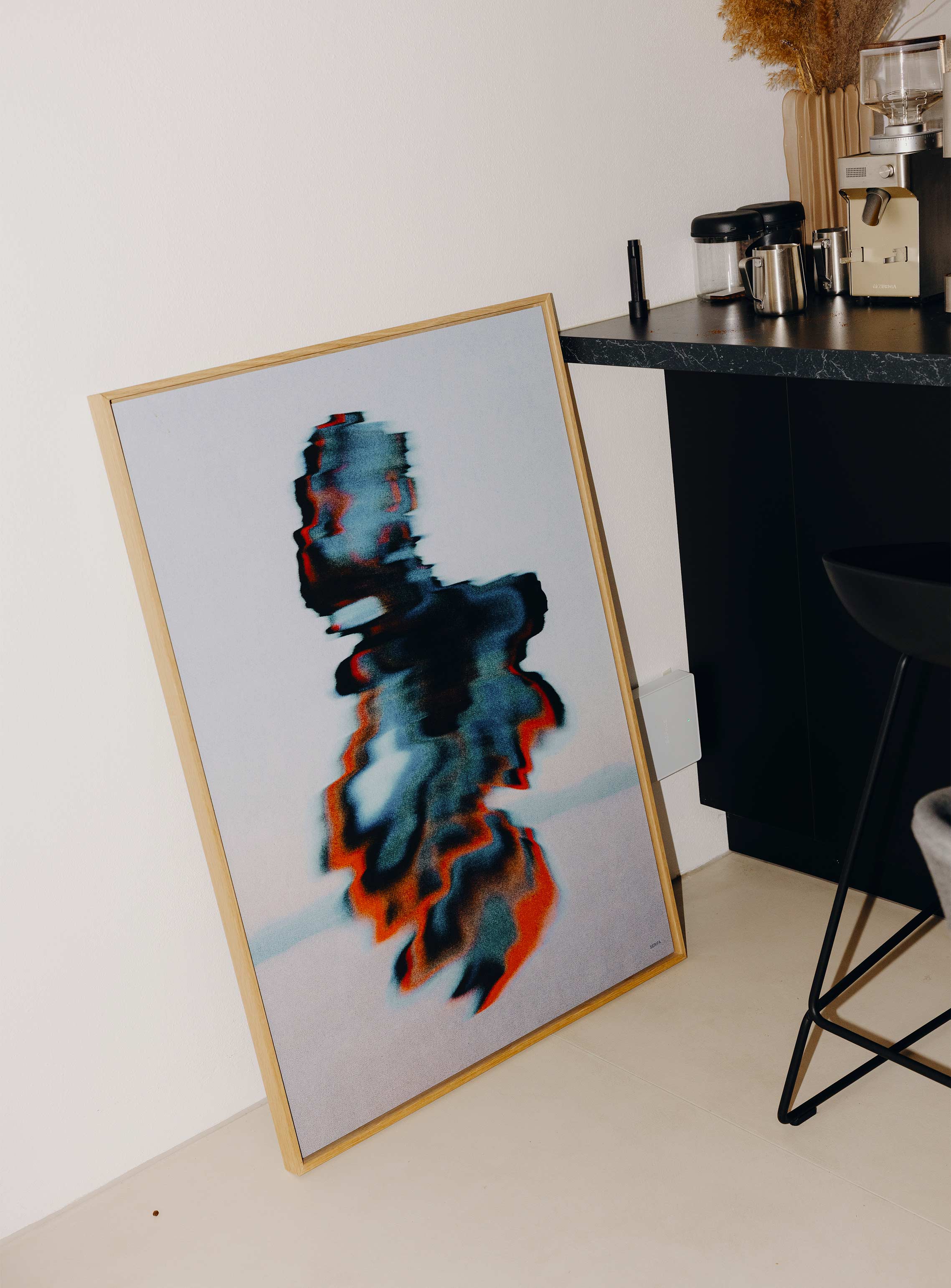
Which artists have influenced your way of thinking about image-making?
C: From a conceptual point of view, we’re inspired by the German painter Georg Baselitz, who famously paints his figures upside down. We find that interesting because it’s a way of stepping away from your own ego—of not overthinking whether everything is ‘correct,’ like if an eye is in the right place, and instead letting perception do the work.
N: And also Gerhard Richter, who once said, “The Mona Lisa is good because I don’t understand her,” which is something we can relate to.
What do you hope audiences see or feel when they encounter your work?
C: We really like it when viewers see something that we didn’t see ourselves.
N: We often hear people say it reminds them of a dream, a specific moment, a person, or a feeling they’ve had. There are so many different emotional responses, which is very special to us. Because the work is abstract and not clearly defined, people can project their own experiences onto it. That personal connection is what matters most to us.
How do you experience the scepticism around AI-based artwork that still prevails, and how do you respond to it?
C: In the beginning, there was definitely more skepticism, but that’s changing as more people start using AI in their everyday lives. A common criticism is that AI art isn’t ‘real’ art. But that often comes from people who haven’t actually worked with it. Yes, AI lets you produce images very quickly—but that also means you can produce a lot of bad work just as fast. The key is still selection, taste, and decision-making. Most people we know who use AI professionally already had a background in art or design. That experience still plays a huge role. And it’s also not as simple or cheap as people think—especially when working with large outputs or video, where computing power becomes a real cost.
N: If you give the same camera to two people in the same place, the results will be completely different—it comes down to experience, taste, and vision.
C: Every new technology, including in the history of art, has been met with resistance. When paint tubes were introduced, artists suddenly could work outdoors in a completely new way. When photography emerged, many painters feared they would become obsolete. But in the end, these technologies didn’t replace art, they expanded it. We see AI in the same way - something that opens new directions, rather than closing old ones.
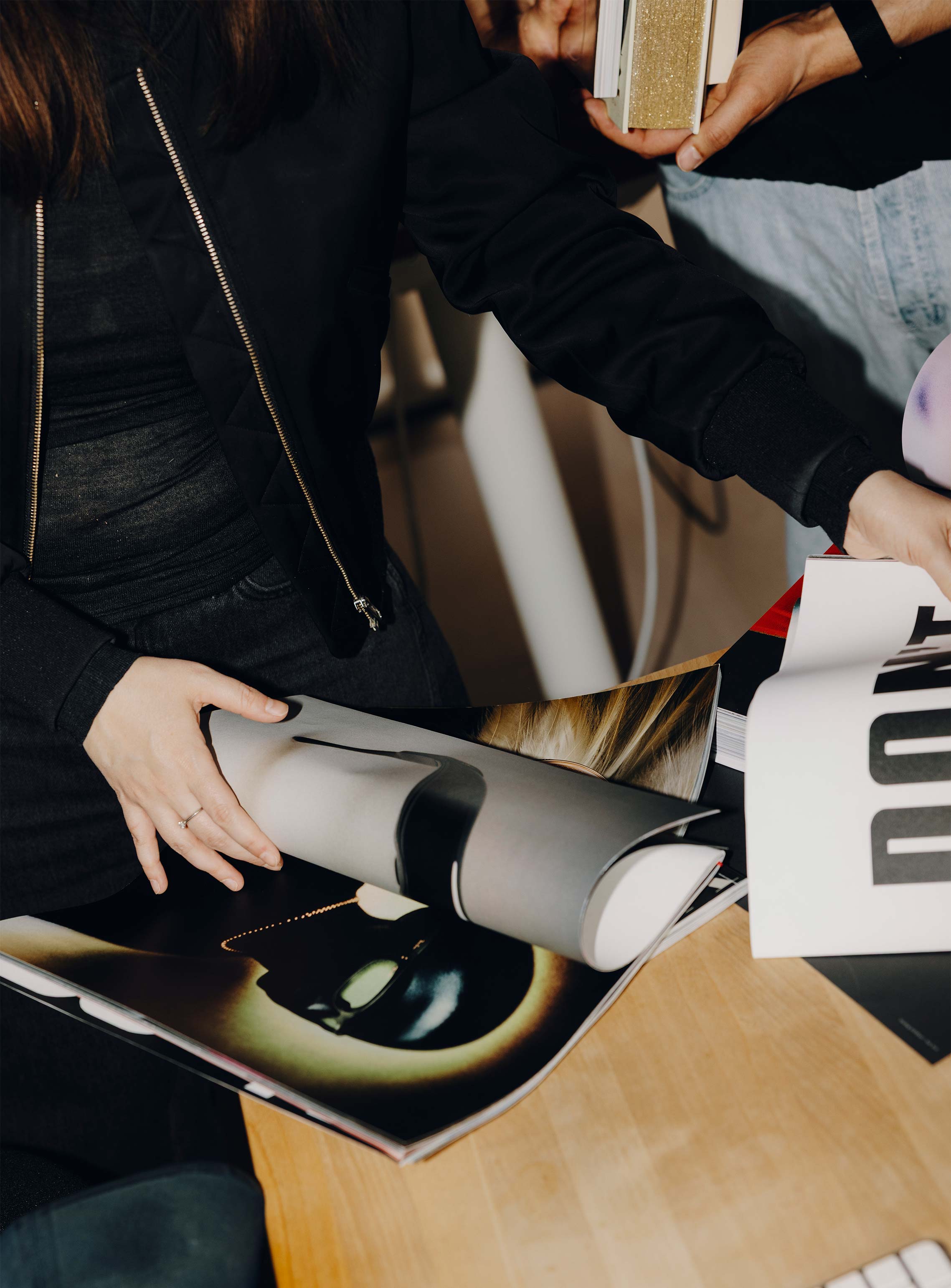
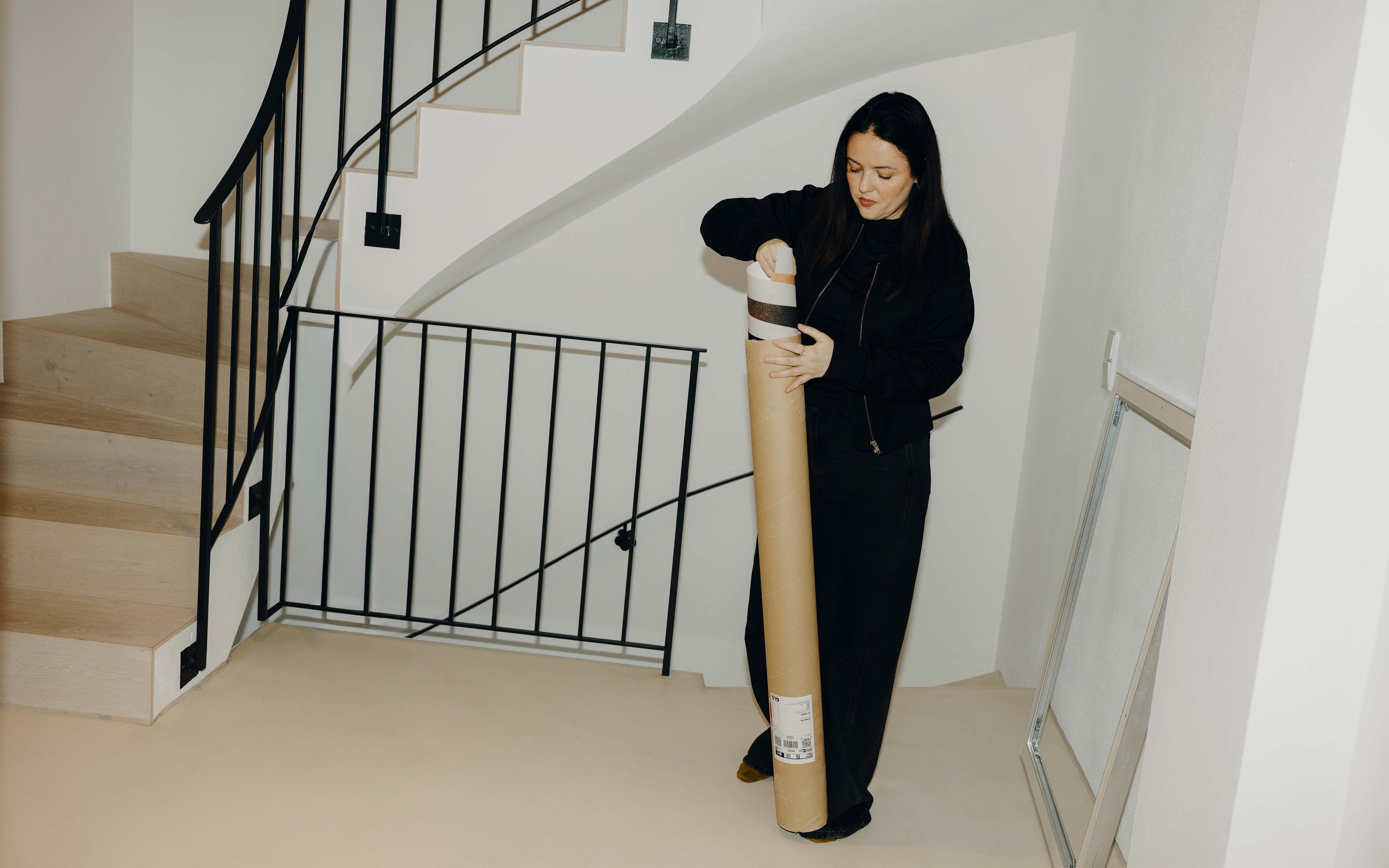
AI is often accused of being unethical as it draws on existing content and blurs the lines between property rights and artistic copyright. What is your view on this?
C: We take such criticism very seriously. At the same time, these questions aren’t exactly new. Every new medium has forced a shift in how authorship is understood.
N: For us, the central question is who makes the decisions. AI can generate images, but that is not the work. The work starts with direction, selection, and what meaning is assigned. We are not interested in reproducing what already exists. That would just be repetition. What interests us is something that feels unfamiliar but still precise, images that come from our own way of seeing.
C: AI expands what is possible, but it also produces a lot. Most of it is not relevant. You cannot generate taste! What matters is what you choose, what you keep, and what you discard. That responsibility doesn’t disappear with the tool.
N: The copyright question is real and still unresolved. It needs clearer structures that protect artists without closing off new forms of work.
C: The environmental aspect matters as well. These systems have a footprint. It’s part of a larger issue around digital infrastructure, but that doesn’t remove our responsibility to stay aware of it in our own practice.
As your work moved beyond the digital space, with exhibitions in Hong Kong, Zurich, and Miami only in 2026, how did it feel to see it enter physical exhibition contexts?
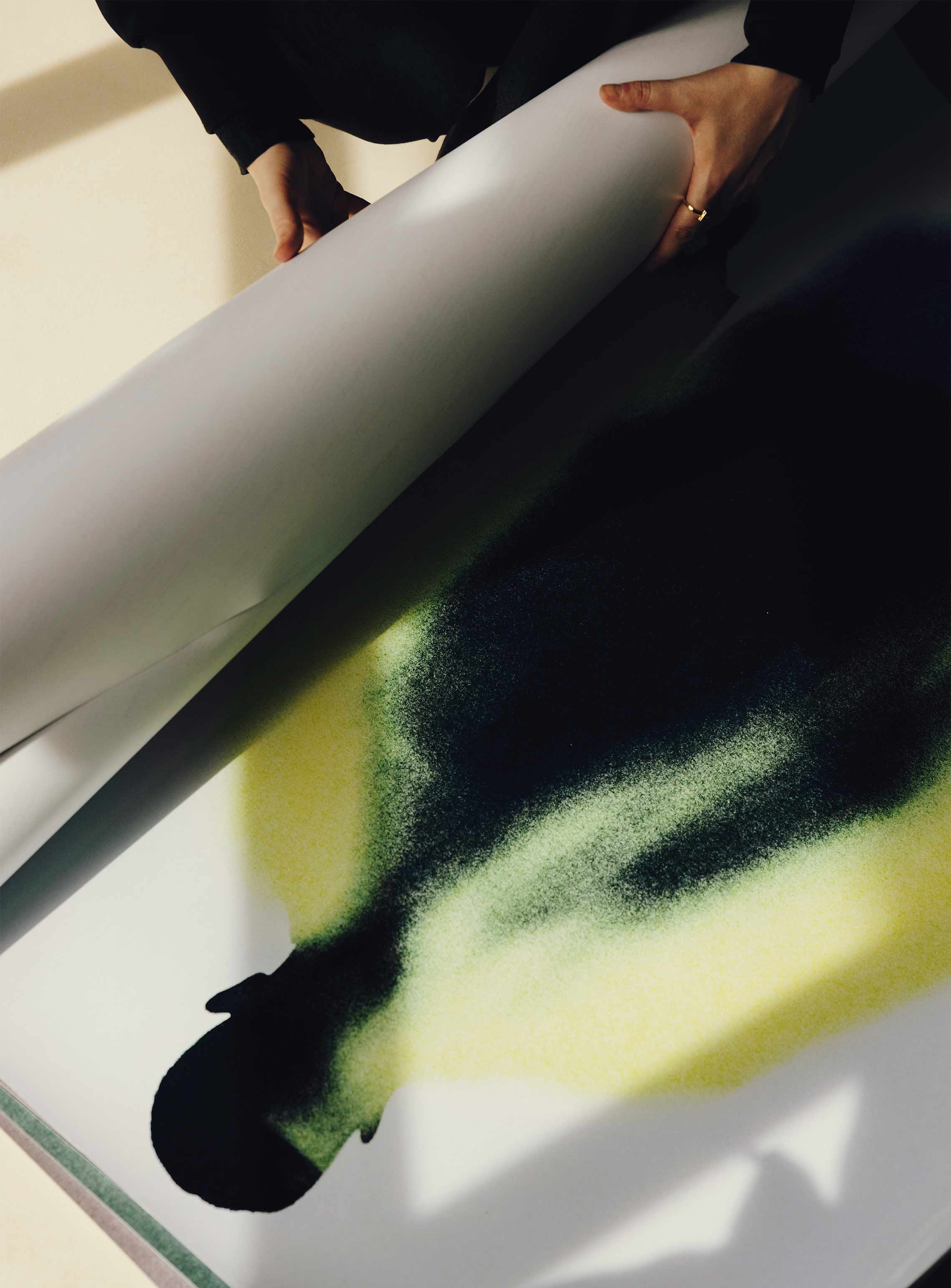
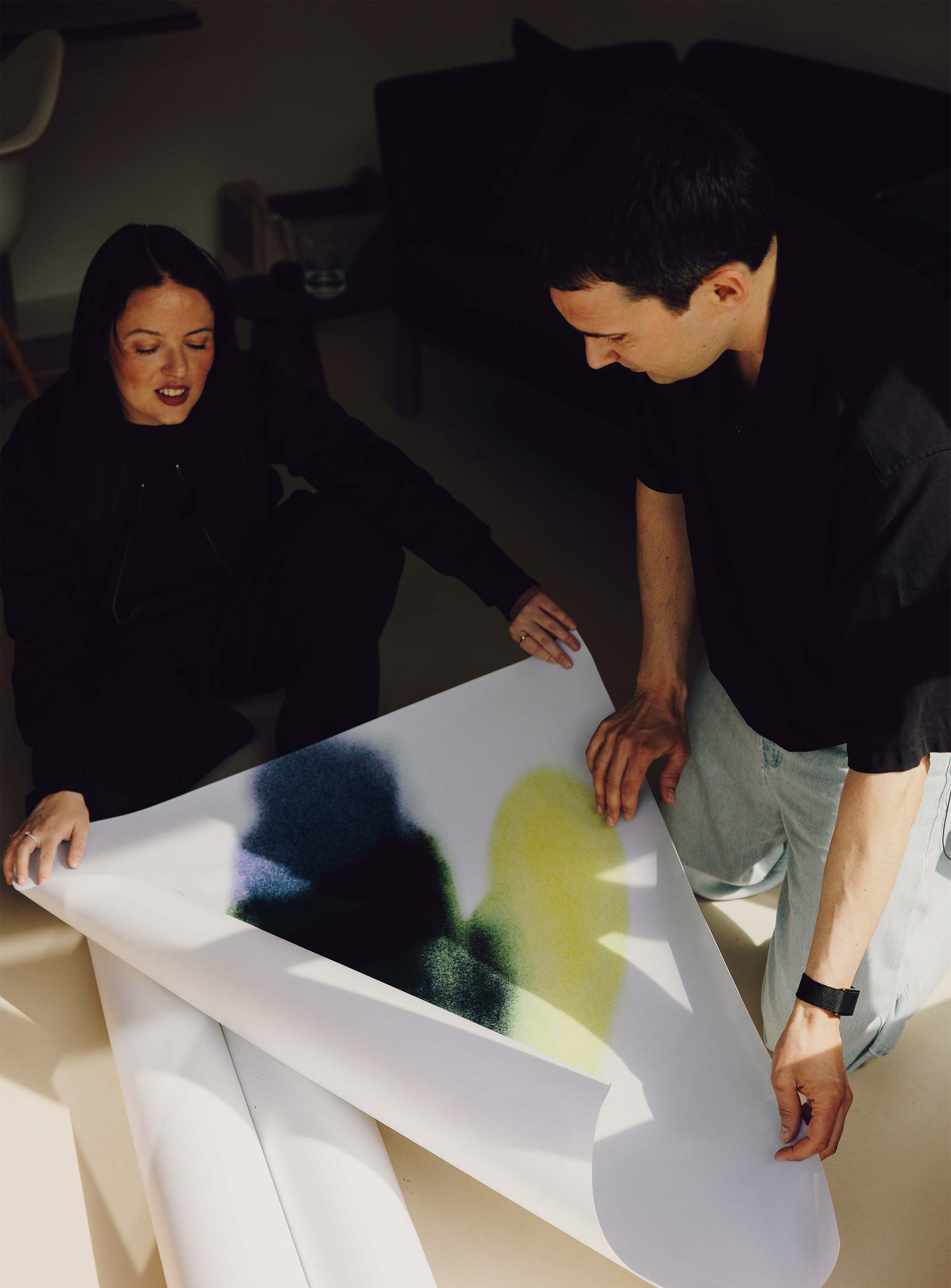
N: When you see work on a phone, it’s always this small, contained format. It’s nice, but it’s also very different when you can show it on a larger scale. You have to think about how the space feels, and how people will experience the work inside it. You approach it differently than when you’re creating purely for digital platforms.
C: In an exhibition space, for example, light falls on the images in a specific way, and the work feels different than it does online. That shift is something we find very compelling. That’s something we also want to explore more in the future, by experimenting with materials, for example.
You also presented work at Coachella Festival, which feels very different from a traditional gallery space—especially in a desert. What was that experience like?
N: At Coachella, we had an installation called OASIS, in the form of a circular structure about 21 meters long, displaying our video work. Technically, it was challenging to produce something at that scale, especially as a seamless loop where everything flows continuously.
C: But what was really interesting was how people interacted with it. You could sit in the centre of this ‘oasis’, with images surrounding you. It created a completely different experience for the audience, and for us, as well.
What projects or ideas are you developing right now, and how might they evolve in the coming months?
C: Right now, we’re planning a few drops for the next couple of months. We’re thinking about how to translate some of our existing work into new formats and release them on our website and shop.
N: We want to create more editions and works that people can have in their homes—things that can exist on a wall, in a physical space—while also continuing to work with galleries. We’re also constantly exploring different media. For us, AI is a tool for expression, but it doesn’t define everything we do—we switch between approaches depending on the idea. That’s why we describe ourselves more as mixed-media artists. We come from a creative background where we like to try different things. Sometimes it’s very nice to step away from digital work and create something physical, like a painting, and see how it feels in a space.
C: It’s not only about experimenting during the process itself, but also about experimenting with the output and the media that the work can exist in.
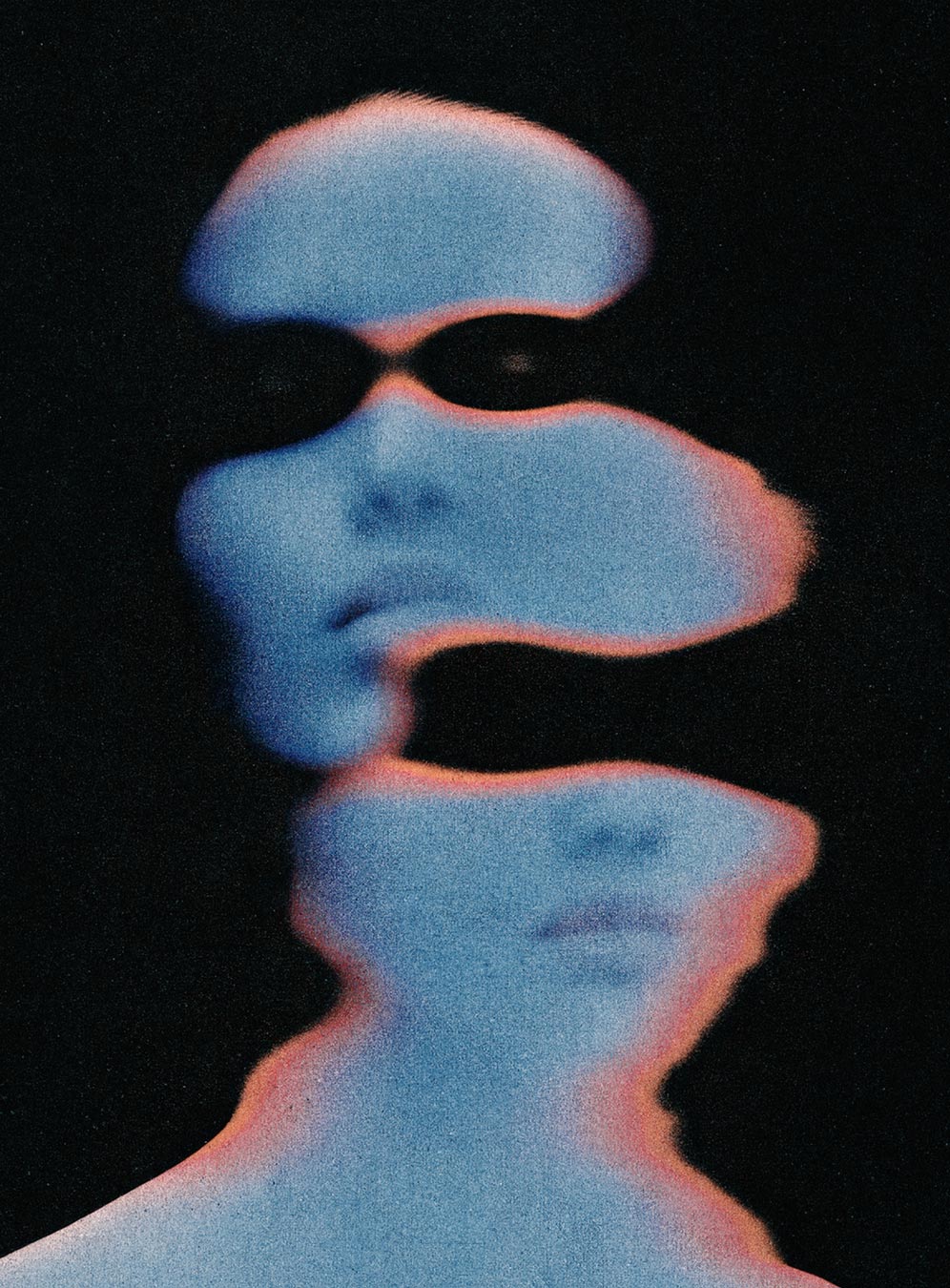
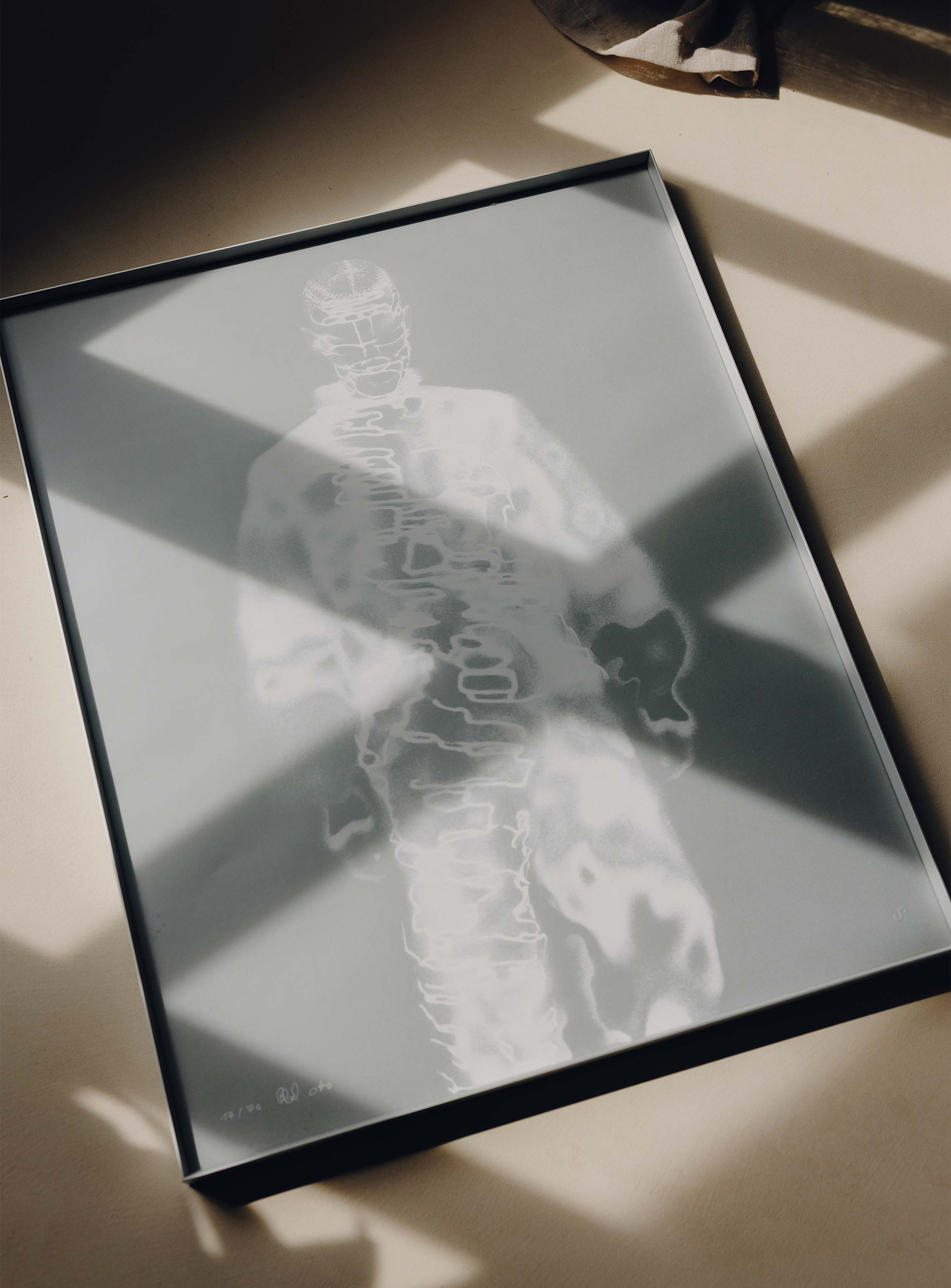
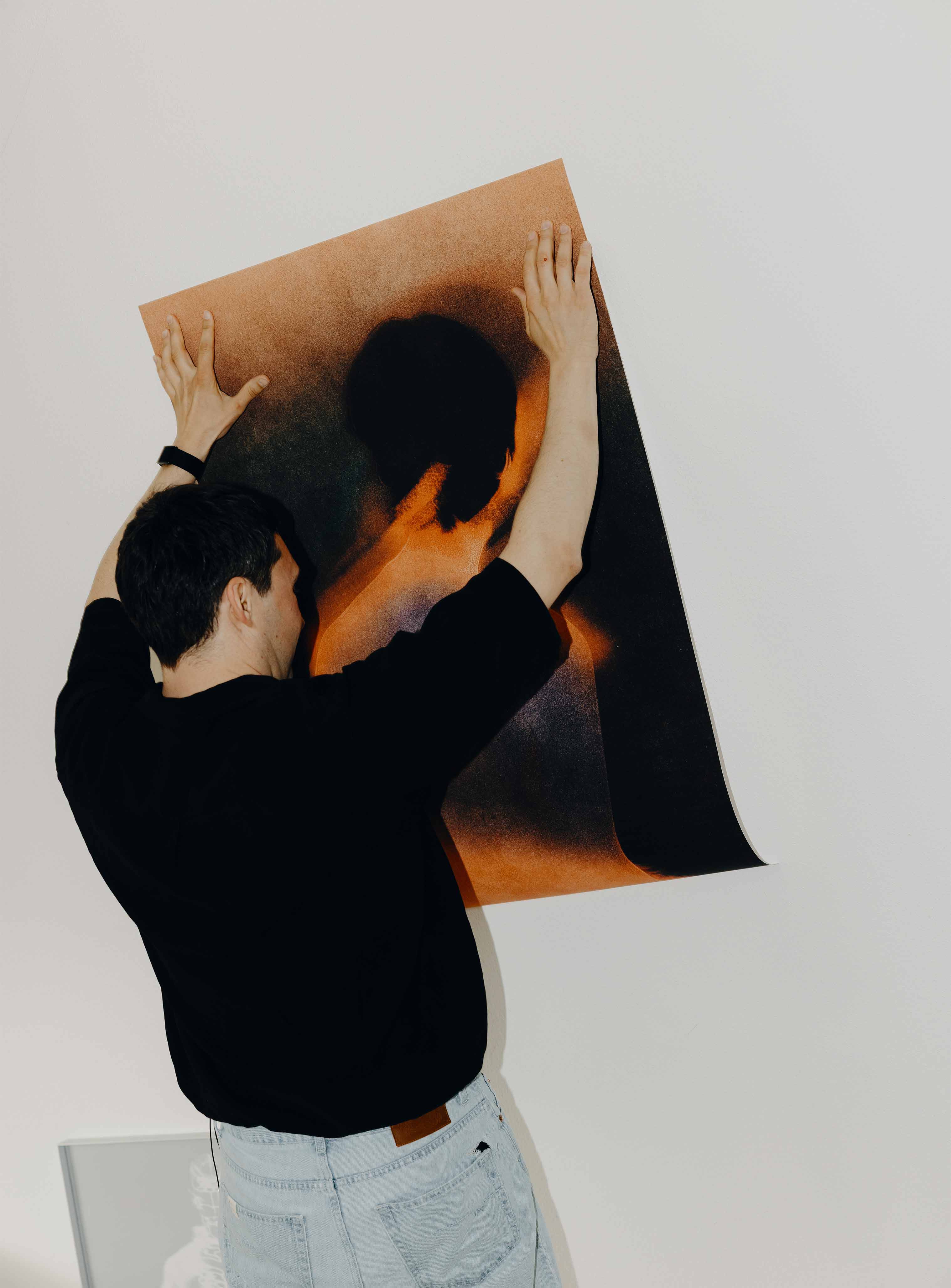
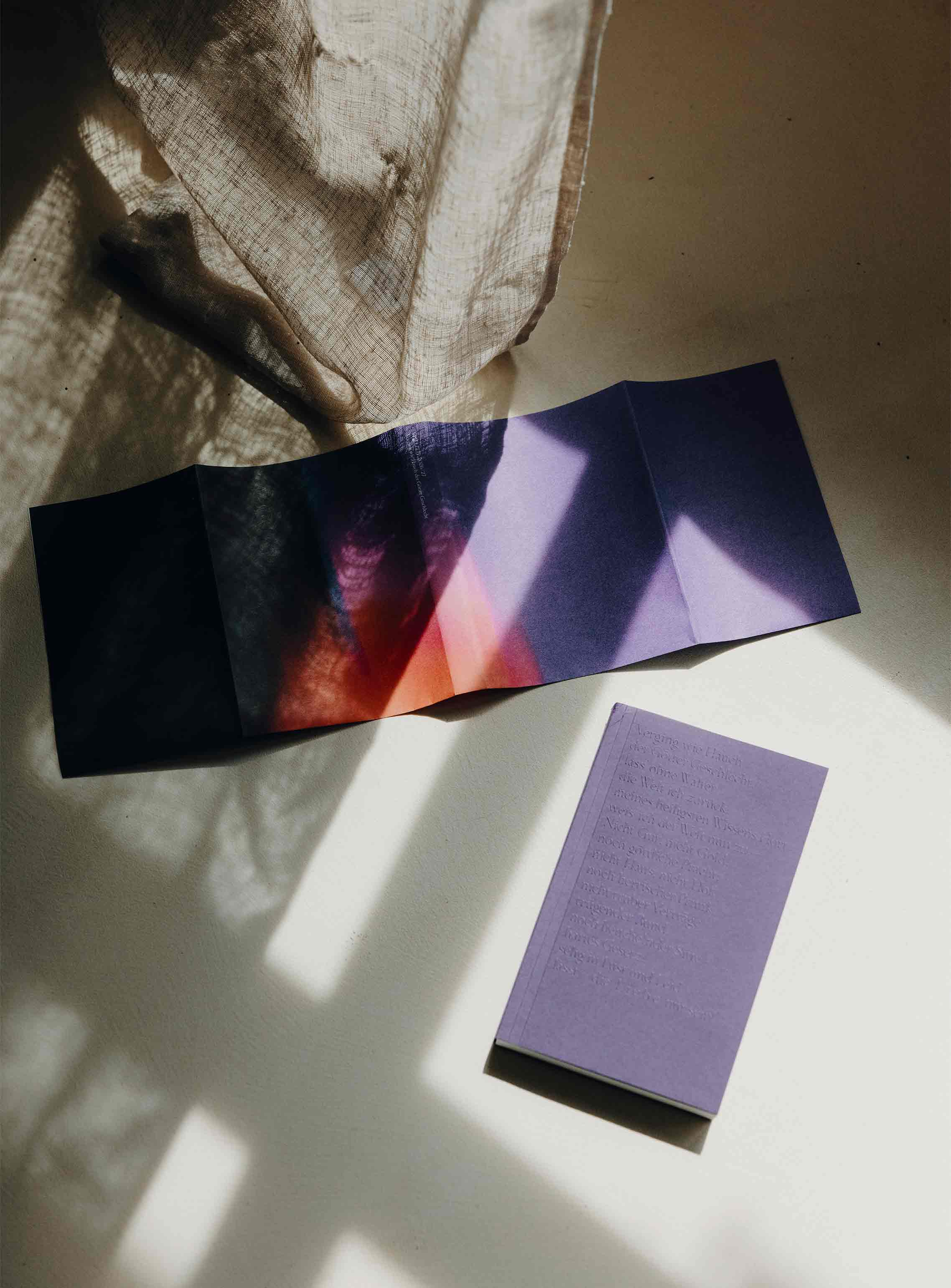
SPLIT PRESENCE, NO. 1, DAY 1075, premiere poster for Maria Stuarda, Bavarian State Opera, 2026
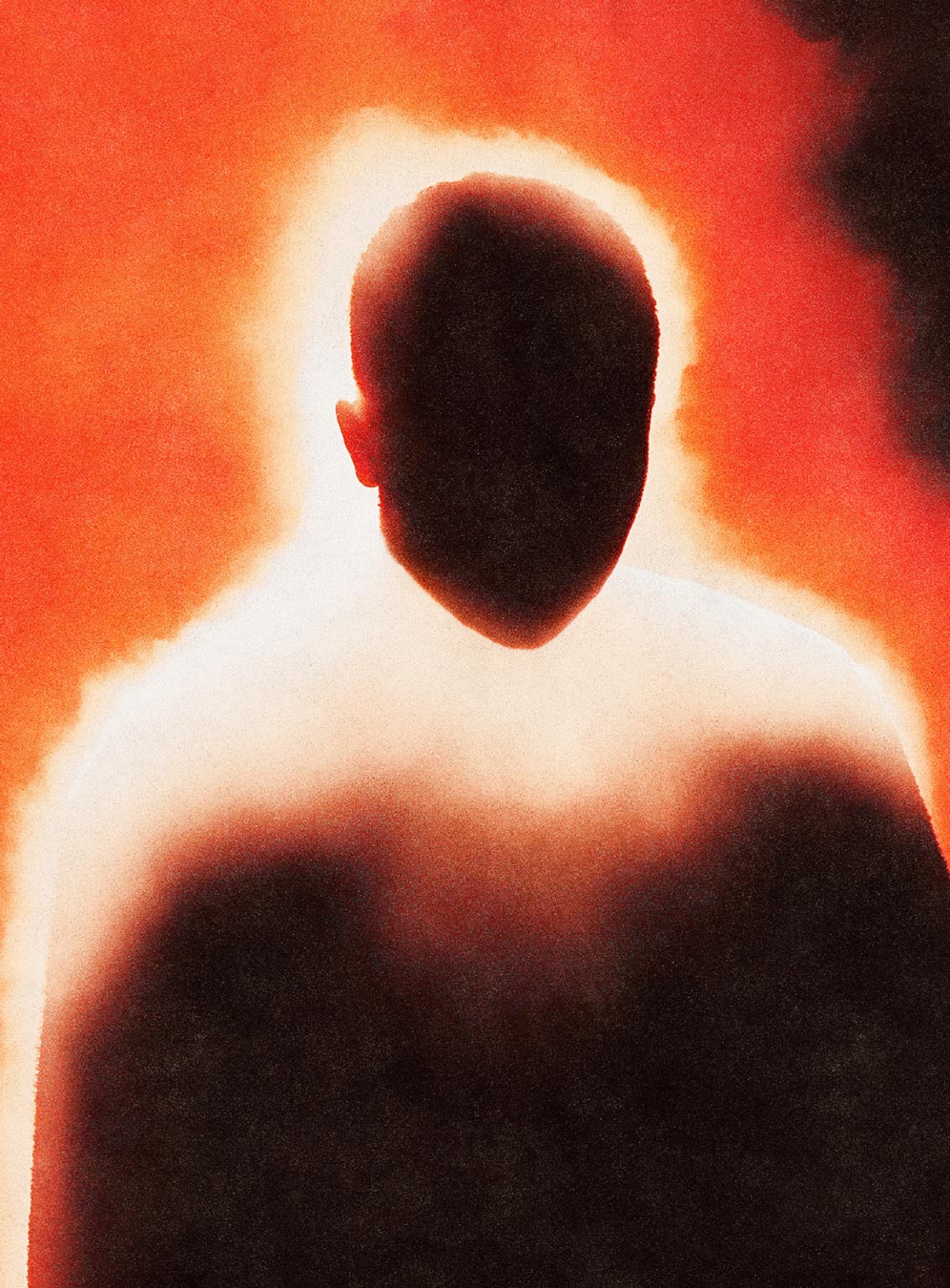
UNTITLED, premiere poster for Siegfried, Bavarian State Opera, 2026
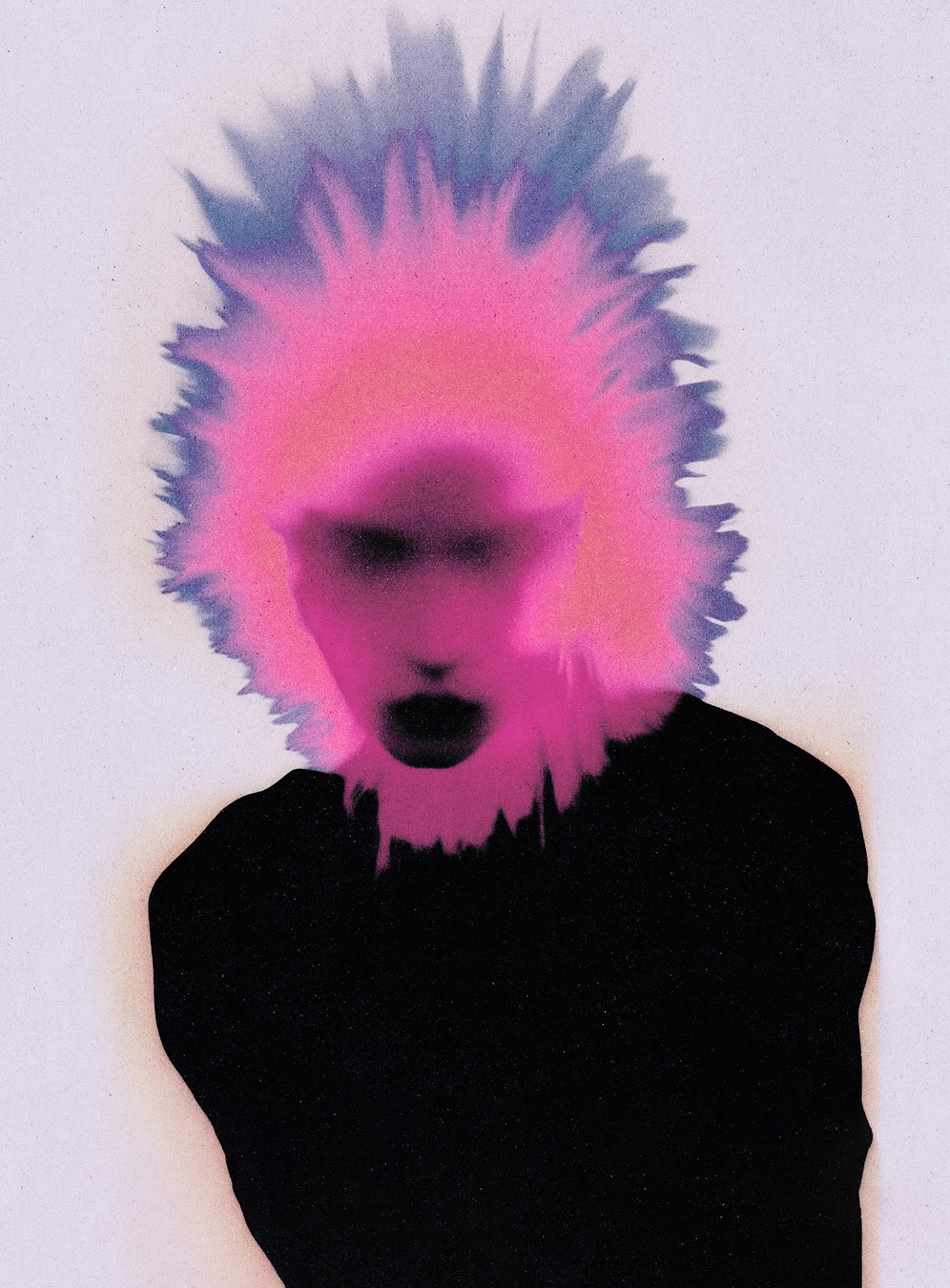
MOTION WITHOUT DIRECTION, NO. 1, DAY 1080, premiere poster for Doctor Atomic, Bavarian State Opera, 2027
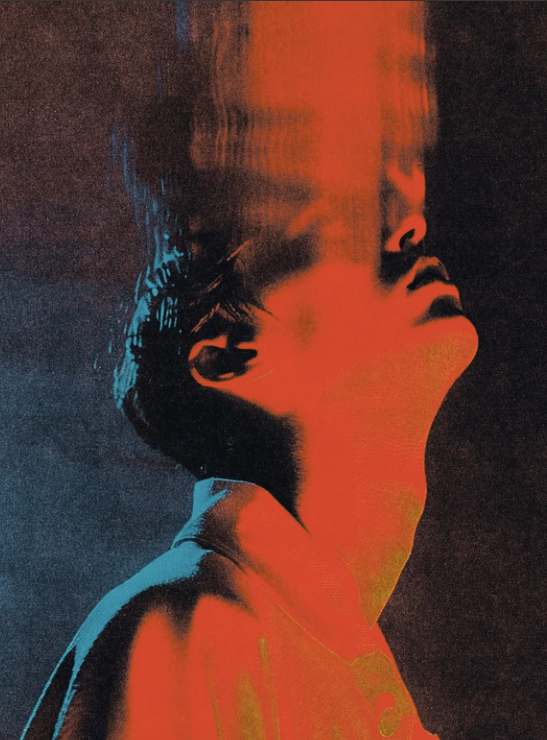
HOW FAR YOU CAN GO, NO. 1, DAY 573
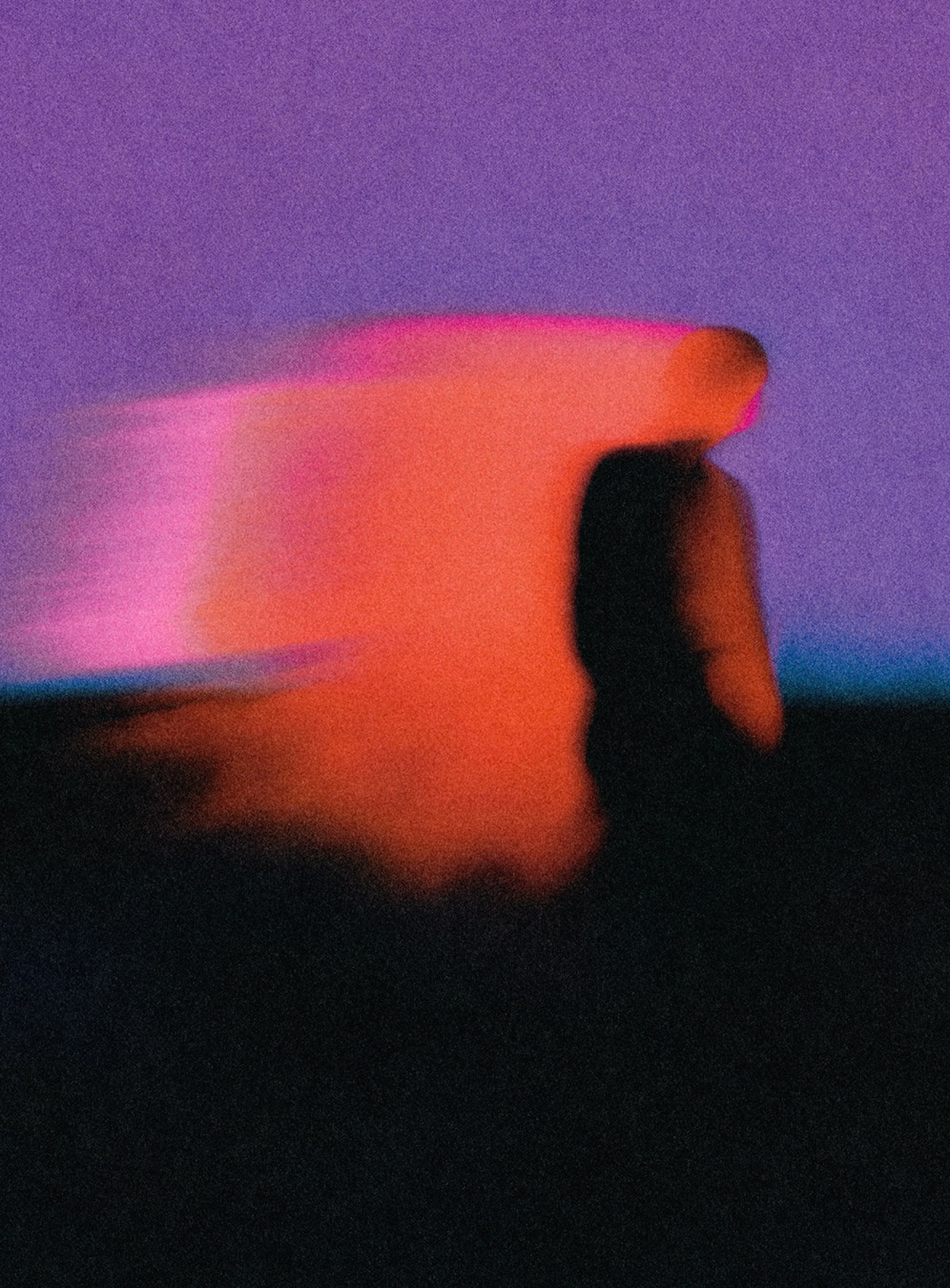
DUSK DRIFTER, NO. 1, DAY 1258, season campaign motif for the Bavarian State Opera, 2026/27
Text: Anton Isiukov
Photos: Dirk Bruniecki